Fermented Foods
The Most Useful Fermented Foods for Busy Weeks
Discover the fermented foods that make hectic weeks easier, from quick kimchi to versatile yogurt. These pantry staples add flavor, nutrition, and convenience to your meals without extra effort.
Why Fermented Foods Fit Busy Lives
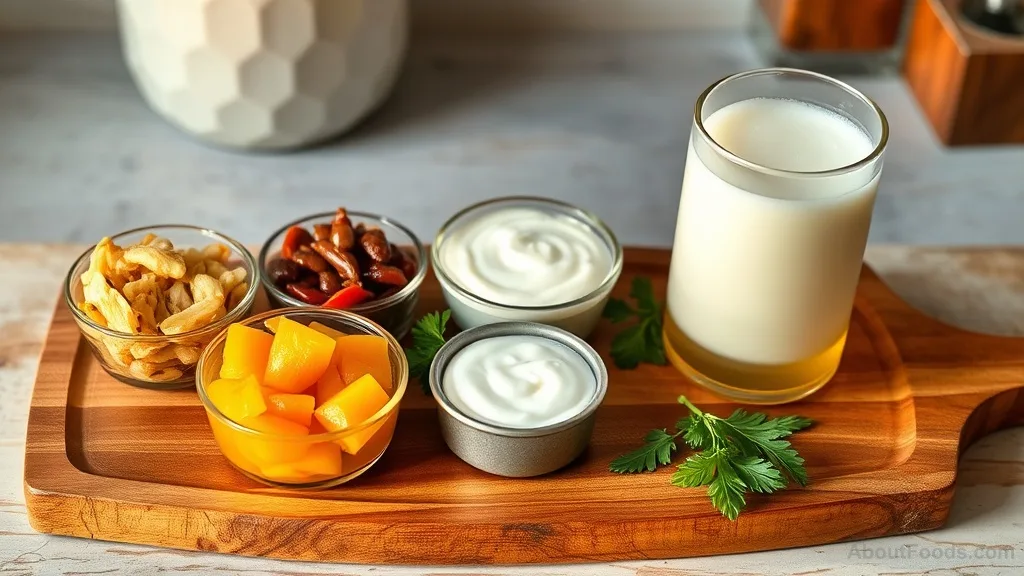
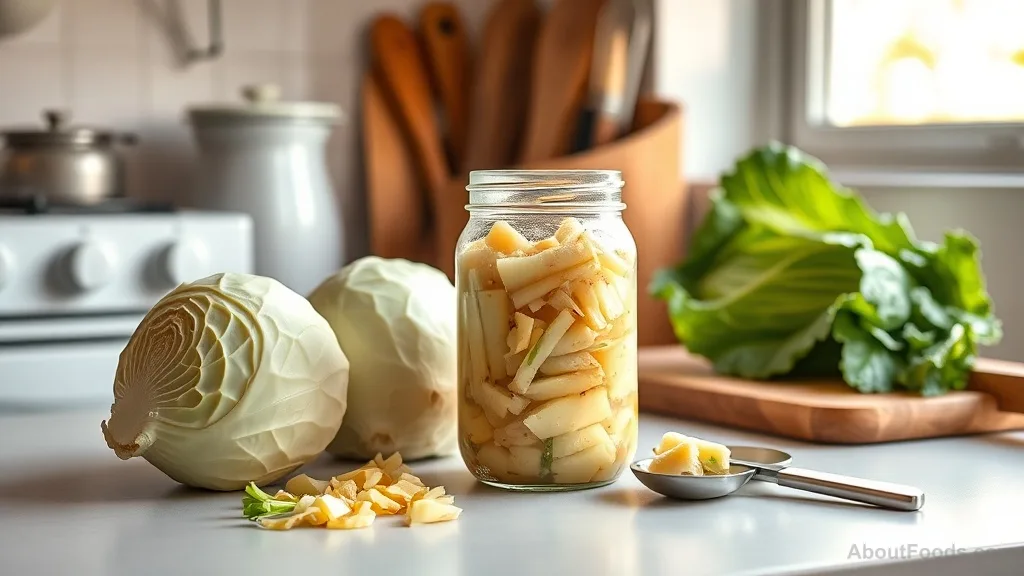
In my grandmother's kitchen in Greece, time moved like honey—slow, golden, deliberate. She would tend to her jars of pickled vegetables and yogurt as if they were beloved guests, knowing they would return the favor on our busiest days. Today, as life accelerates, I find myself reaching for these same fermented treasures not out of nostalgia alone, but because they are practical allies. They sit patiently in your fridge, ready to transform simple meals into something nourishing and complex, without demanding your precious minutes. For those weeks when the clock seems to race, fermented foods offer flavor, nutrition, and convenience in one beautiful package.
- They're pre-made and ready to use
- saving cooking time
- They add depth to dishes without extra seasoning
- They often keep for weeks
- reducing food waste
- They provide probiotics and nutrients effortlessly
The 7 Most Useful Fermented Foods for Hectic Schedules
Not all fermented foods are created equal when it comes to convenience. Some require careful tending, while others are content to wait for you. Here are the seven I rely on most during chaotic weeks—each chosen for its versatility, shelf life, and ease of use.
How to Incorporate Them into Your Weekly Routine
The beauty of these foods lies in their simplicity. You don't need elaborate recipes—just a spoonful here, a drizzle there. Think of them as your secret ingredients, waiting to elevate whatever you're already making.
During my busiest weeks, I keep a jar of kimchi and yogurt front and center in the fridge. A scoop of kimchi turns leftover rice into a meal, while yogurt becomes a quick sauce for roasted vegetables. It's about working smarter, not harder—letting fermentation do the heavy lifting.
Storage and Shelf Life Tips
Proper storage ensures these foods remain useful rather than becoming another chore. Most fermented items prefer the cool, dark environment of your refrigerator, where they can slow their fermentation and maintain quality.
| Food | Best Storage | Approximate Fridge Life | Signs It's Gone Bad |
|---|---|---|---|
| Kimchi | Airtight jar | 3-6 months | Mold, off smells |
| Yogurt | Sealed container | 2-3 weeks | Separation, sour taste |
| Sauerkraut | Brine-covered in jar | 4-6 months | Discoloration, sliminess |
| Miso Paste | Sealed in fridge | 1 year+ | Dry, hard texture |
| Kefir | Original bottle | 2-3 weeks | Fizzing, separation |
| Tempeh | Airtight package | 1-2 weeks | Black spots, ammonia smell |
Remember, fermentation is alive—these foods may continue to develop flavor slowly in the fridge. Trust your senses: if it looks, smells, or tastes wrong, it's best to discard it.
Common Mistakes to Avoid
Even with convenient foods, small missteps can waste time or compromise quality. Here are the pitfalls I've learned to sidestep over years of leaning on fermentation.
- Using dirty utensils: Always use clean spoons to prevent contamination.
- Storing at room temperature: Most fermented foods need refrigeration after opening.
- Overcomplicating recipes: Start with simple additions rather than complex dishes.
- Ignoring brine: Keep pickles and sauerkraut submerged to maintain crunch.
- Buying too much: Purchase small quantities to ensure freshness.
In my experience, the biggest mistake is treating these foods as projects rather than helpers. They're here to simplify your week, not add to your to-do list.
A Sample Busy Week Plan
Let's paint a picture of how this works in practice. Imagine a week where meetings pile up and evenings feel rushed—here's how fermented foods can weave through your days effortlessly.
Notice how each day includes at least one fermented element without extra cooking. It's about integration, not innovation.
FAQ: Quick Answers for Busy Cooks
Can I eat fermented foods every day?
Yes, in moderation. Most people can enjoy small amounts daily, but listen to your body—start with a spoonful and adjust as needed.
Are store-bought fermented foods as good as homemade?
Often yes, especially for busy weeks. Look for refrigerated options with live cultures and minimal additives for the best quality.
Do fermented foods need to be cooked?
Most can be eaten raw to preserve probiotics. Exceptions like tempeh benefit from cooking for texture and safety.
How do I choose the right fermented food for my taste?
Start with mild options like yogurt or sauerkraut, then explore bolder choices like kimchi. Sample small portions to find what you enjoy.
Can fermented foods help with meal prep?
Absolutely. They add flavor to pre-made meals without extra work—think adding kimchi to pre-cooked grains or miso to batch-made soups.
As the golden hour light fades from my kitchen, I'm reminded that good food doesn't require endless time—just thoughtful choices. These fermented friends wait patiently, ready to make your busiest weeks a little brighter, one tangy bite at a time.
Rate this article
No ratings yet. Be the first to rate it.

Written by
Eleni Demetriou
Specialises in Greek cuisineEleni Demetriou runs a food blog called 'Olive My Love'. She photographs every meal for 20 minutes before eating.
Describe yourself in three words: Romantic, slow, loves golden hour.