High Protein
The 10 Most Useful High-Protein Foods for Busy Weeks
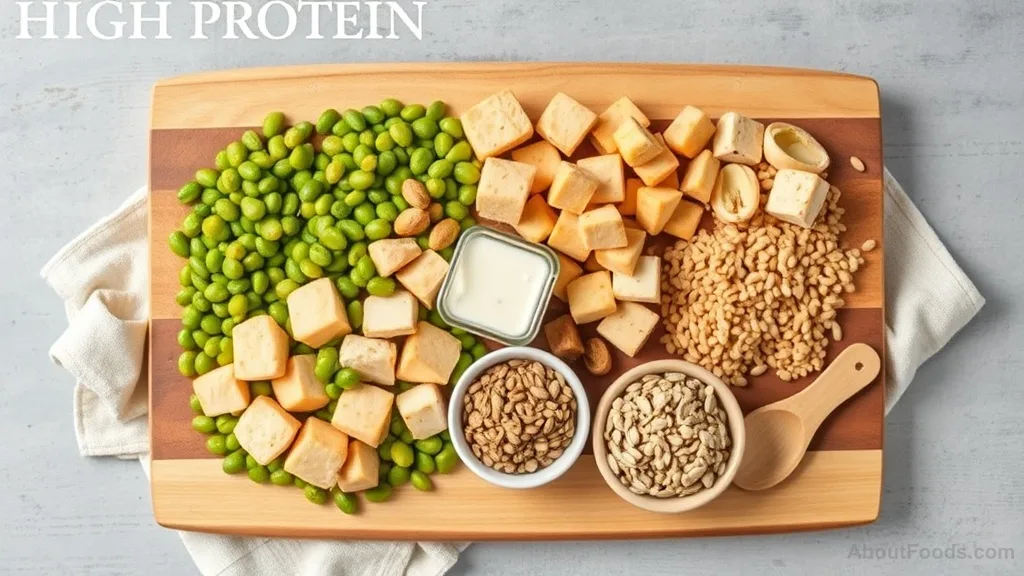
When life gets hectic, keeping protein intake high doesn't have to be hard. Here are the 10 most versatile, plant-based, high-protein foods that make busy weeks easier, with practical tips and meal prep ideas.
Why Protein Matters (Especially on Hectic Days)
We've all been there—back-to-back meetings, running errands, and barely enough time to breathe, let alone cook a balanced meal. In those moments, protein is your best friend. It keeps you full, stabilizes your blood sugar, and fuels your muscles and brain so you can power through without crashing.
As a plant-based eater, I've learned that having the right high-protein staples on hand is the secret to thriving during busy weeks. These foods are not only protein-rich but also versatile, shelf-stable or easy to prep, and they work in everything from salads to stir-fries to snacks. Let me share my top 10.
The 10 Most Useful High-Protein Plant Foods
Below is a quick-reference table you can bookmark or print for your fridge. Each entry includes the protein content per serving and my favorite quick-use tip.
Let's dive into each one so you can see how they fit seamlessly into even the most chaotic of weeks.
1. Lentils: The Tiny Powerhouses
Lentils are my numero uno. They don't require pre-soaking (unlike other beans), cook in about 15–20 minutes, and are packed with fiber along with that 18g of protein per cup. I always keep a few bags of brown or red lentils in my pantry.
- Quick trick: Cook a large batch at the start of the week. Add them to salads
- soups
- or grain bowls.
- Red lentils break down into a creamy texture—perfect for dal or thickening stews.
- Green lentils hold their shape nicely and work in cold salads.
2. Chickpeas: The Most Versatile Legume
Canned or cooked from dried, chickpeas are a lifesaver. They're sturdy enough to toss into any dish, and they mash easily for quick dips. With 15g of protein per cup, they earn their spot in your pantry heavy rotation.
- Hummus: Blend with tahini
- lemon
- garlic
- and olive oil. Takes five minutes.
- Roasted snack: Drain
- pat dry
- toss with olive oil and spices
- roast at 400°F for 30 minutes for a crunchy high-protein snack.
3–5: Soy-Based Trio (Tofu, Tempeh, Edamame)
Soy is a complete protein, meaning it contains all nine essential amino acids. These three soy forms are perfect for busy weeks.
3. Tofu (10g per 3 oz)
Extra-firm tofu is easy, cheap, and absorbs any marinade. Press it for 10–15 minutes (or buy pre-pressed), cube it, and cook with your favorite sauce. It crisps quickly in an air fryer or skillet.
4. Tempeh (21g per 3 oz)
Tempeh is fermented, so it's great for gut health too. It's nuttier and firmer than tofu. Steam it for 5 minutes to soften, then crumble it into sauces or slice and marinate.
5. Edamame (17g per cup)
Frozen shelled edamame is a busy week dream. Steam, add salt, and eat as a snack. Or toss into stir-fries, salads, and pasta. I keep two bags in my freezer at all times.
6. Seitan (21g per 3 oz)
Made from wheat gluten, seitan is a protein powerhouse with a meaty texture. It's great for those who are not gluten-sensitive. Many brands offer pre-sliced or marinated versions. Sauté with veggies and a sauce for a quick stir-fry.
7. Quinoa (8g per cup)
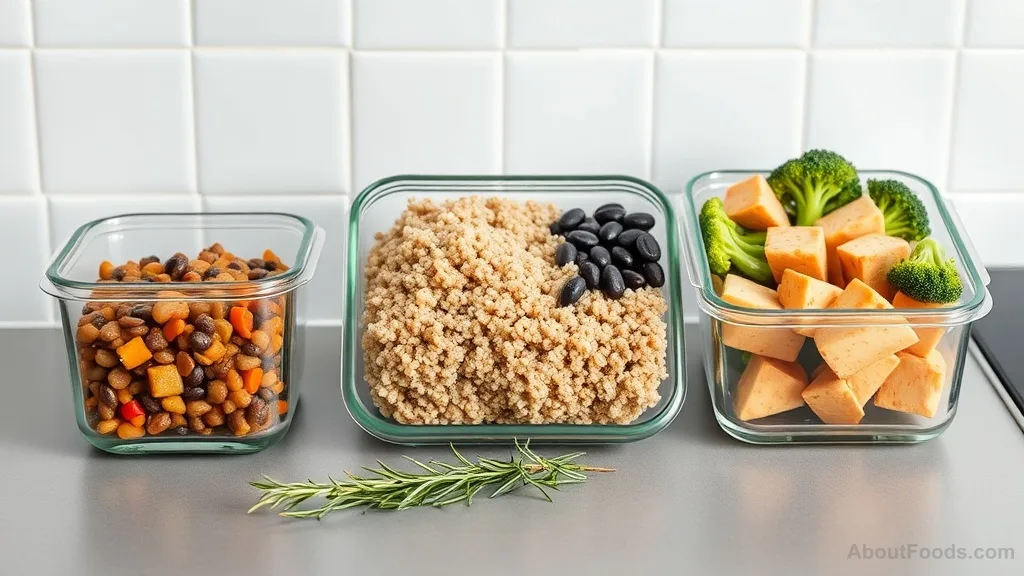
Though technically a seed, quinoa cooks like a grain and provides complete protein. It also contains all nine essential amino acids. Cook a big batch on Sunday—it keeps well in the fridge for 5 days. Use it in cold salads with roasted veggies, or as a base for buddha bowls.
Fluff it with a fork and dress with lemon and olive oil for an instant side dish.
8–10: Three Seeds That Go the Distance (Hemp, Pumpkin, Nutritional Yeast)
8. Hemp Seeds (10g per 3 tbsp)
These tiny seeds have a buttery flavor and require zero prep. Sprinkle over avocado toast, oatmeal, salads, or use in smoothies. They add protein and healthy omega-3s.
9. Pumpkin Seeds (7g per 1/4 cup)
Often called pepitas, they add crunch and protein. Mix into granola, top soups, or enjoy straight from a bag.
10. Nutritional Yeast (8g per 2 tbsp)
Nutritional yeast (affectionately called "nooch") is a deactivated yeast with a cheesy, savory taste. It's often fortified with B12—a helpful addition for plant-based diets. Sprinkle it on popcorn, mix into pasta, or use as a seasoning for veggies.
How to Combine These into a Busy Week Meal Plan
Having these foods is great, but having a game plan is better. Here's a simple blueprint:.
- Sunday: Cook a pot of quinoa
- lentils
- roast chickpeas
- and press tofu.
- For breakfast: Blend hemp seeds into smoothies or sprinkle over oatmeal.
- Lunch: Lentil and quinoa bowl with edamame and lemon-tahini dressing.
- Snack: Roasted chickpeas or a handful of pumpkin seeds.
- Dinner: Stir-fry crispy tofu with broccoli over a microwaved quinoa portion.
Common Mistakes and How to Avoid Them
- Not pressing tofu: You'll miss the crispy texture. Press at least 10 minutes.
- Forgetting to salt beans: Lentils cooked without salt are bland. Add a pinch at the start.
- Overcooking quinoa: Use a 2:1 water-to-quinoa ratio and let it steam off heat for 5 minutes.
- Relying on only one protein source: Variety ensures you get all amino acids and different nutrients.
Frequently Asked Questions
Is it possible to get enough protein on a whole food plant-based diet?
Absolutely. Most unrefined plant foods contain at least some protein. By including legumes, whole grains, nuts, seeds, and soy products, you can easily hit your daily needs.
Do I need to eat complete proteins in every meal?
No, your body pools amino acids over the day. As long as you eat a variety of plant proteins, you'll get all essential amino acids.
How much protein do I need per day?
General guidelines: about 0.8g per kg of body weight. Active individuals might need 1.2 to 2.0 g/kg. A simple way is to aim for 20–30g per meal.
Which of these foods are most budget-friendly?
Lentils, chickpeas, tofu, and pumpkin seeds are all very affordable, especially in bulk.
Can I meal prep these for the whole week?
Yes! Cook lentils, quinoa, and roast chickpeas. Keep tofu, tempeh, and edamame ready to go. Store seeds and nutritional yeast for quick additions.
Final Thoughts
I promise, making these high-protein plant-based foods a part of your busy week routine will change how you feel. You'll have steady energy, fewer cravings, and most importantly, delicious meals that don't take hours to prepare. Start with just two or three of these staples, and build from there.
Now, go cook a batch of lentils—your future self (and your quick-heated dinner) will thank you.
Rate this article
No ratings yet. Be the first to rate it.

Written by
Maya Green
Specialises in Vegan Plant Based Global cuisineMaya went vegan after watching a documentary in 2018 and hasn't shut up about cashew cream since. Her food is actually incredible.
Describe yourself in three words: Passionate, evangelical about plants, loving.