Seasonal Produce
A Practical Seasonal Produce Food List for Smarter Shopping
Stop guessing at the grocery store. This practical food list breaks down exactly which fruits and vegetables are in season each quarter, with tips for smarter shopping, better flavor, and saving money.
Why Seasonal Shopping Makes Sense
I've always been the type to overthink grocery runs. It's easy to grab whatever looks good under the fluorescent lights, but I've found that aligning my cart with the calendar pays off in flavor, nutrition, and cost. Seasonal produce is harvested at its peak, meaning it travels fewer miles and spends less time in storage. That translates to fruits and vegetables that taste like they should—tomatoes that burst, greens that snap, melons that perfume the kitchen. And because supply is high, prices often drop.
Yet, knowing what's actually in season can be confusing, especially with year-round availability manipulating our sense of timing. This guide removes the guesswork. I've organized a practical seasonal produce list into four quarters, plus a quick-reference table to make your next shopping trip smarter and more intentional.
Spring: The Awakening of the Market
Spring is a transition. The soil warms, and the first tender shoots appear. This is when I start craving bright, grassy flavors after months of root vegetables and squash.
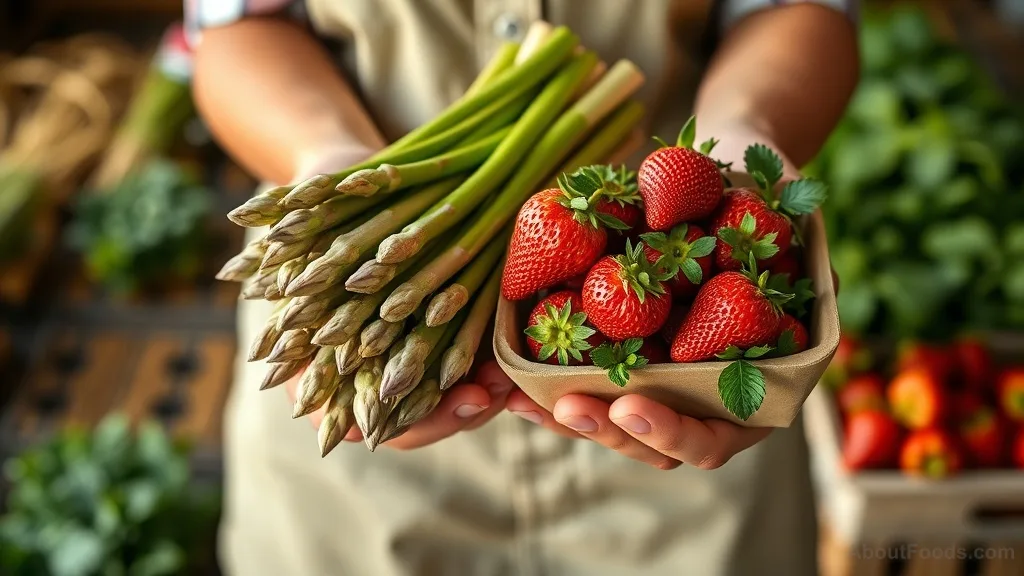
- Asparagus: Look for firm
- bright green stalks with tight tips. Thicker spears are great for roasting
- thinner ones work well in stir-fries or blanched salads.
- Strawberries: Local strawberries are a revelation. They should be fully red
- fragrant
- and not too soft. Skip any with white shoulders—that means they were picked early.
- Artichokes: Choose heavy
- compact globes with squeaky leaves. Steam or braise until tender
Summer: The Peak of Abundance
If you only eat seasonally for one part of the year, make it summer. This is when my kitchen counter is stacked with tomatoes, stone fruits, and sweet corn. These are the ingredients that need minimal preparation—just salt, maybe a drizzle of oil or squeeze of lime.
- Tomatoes: Heirlooms
- Roma
- cherry—peak from July to September. Smell the stem end
- if it smells like tomato
- it's good. Never refrigerate.
- Stone fruits: Peaches
- nectarines
- plums
Fall: Hearty Harvest and Flavor Depth
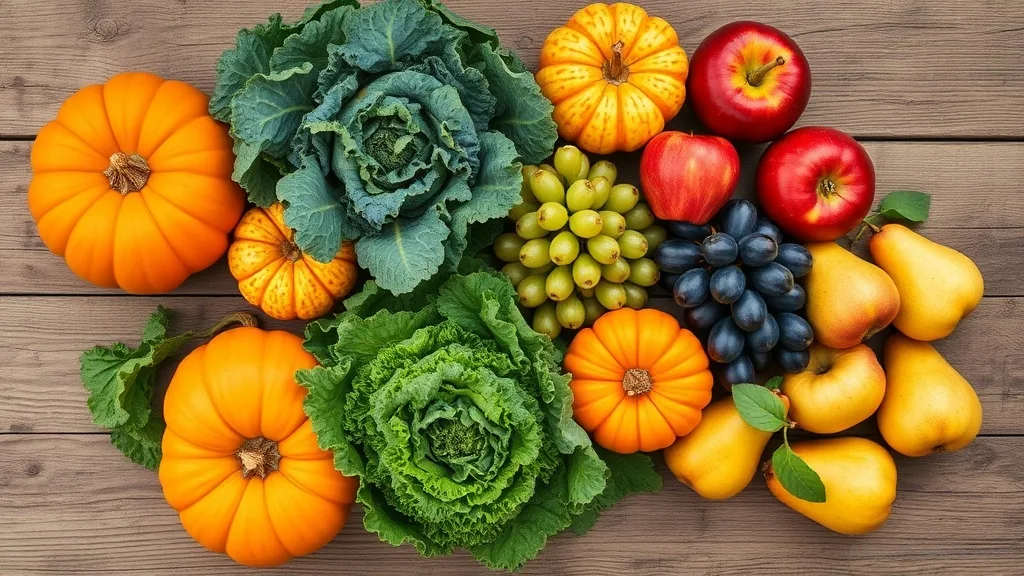
As the weather cools, my cooking shifts from light to layered. Fall produce is built for roasting, braising, and long simmers. These ingredients store well, which means I can stock up and reduce trips to the store.
- Winter squash (butternut
- acorn
- kabocha
- pumpkin): Dense and sweet. Look for hard
- unblemished skin and a heavy weight. They keep for weeks in a cool
- dry place.
- Apples: Honeycrisp
- Fuji
Winter: Survival and Storage Gems
Winter produce is all about roots and hardy greens. This is the season for comforting stews, braises, and roasted vegetables that fill the house with savory aromas. Plus, many winter vegetables are long-lasting, making them the backbone of a low-waste kitchen.
- Root vegetables: Carrots
- parsnips
- turnips
- celeriac—these are at their sweetest in winter. Store them unwashed
- in a dark place
- away from apples (ethylene causes bitterness).
- Citrus: Oranges (navel
- Valencia
Quick-Reference Seasonal Produce Table
This table summarizes the key produce items for each season. Use it as a cheat sheet before you shop. Remember that growing zones vary—local farms and farmers' markets will always give the most accurate picture.
Smarter Shopping & Storage Tips
Knowing what's in season is half the battle. The other half is knowing how to store it once you get home. A few principles will keep your produce fresher for longer:.
- Don't wash berries or herbs until just before eating
- moisture accelerates spoilage.
- Store potatoes and onions separately—onions release gases that cause potatoes to sprout.
- Keep ethylene-sensitive produce (leafy greens
- broccoli
- carrots) away from ethylene producers (apples
- pears
- bananas).
I also find that buying from farmers' markets naturally aligns with seasonal cycles. The vendors there are harvesting at peak, so you get both superior flavor and a read on what's truly local. Plus, it's a good chance to chat about what's coming next—they're often the best source for knowing when to expect spring peas or the first apples.
Frequently Asked Questions
Putting It Into Practice
Seasonal eating doesn't require a farm-to-table conversion. It's simply a shift in awareness. Next time you're in the produce aisle, pause and consider: Is this at its natural peak right now? If the answer is no, consider something else. That one question will guide you toward better flavor, smarter spending, and a more satisfying relationship with food.
Keep this list handy, and tweak it based on your region. With time, you'll develop an instinct for what looks and smells right. That's the kind of cooking intuition that no cookbook can teach.
Rate this article
No ratings yet. Be the first to rate it.

Written by
Pim Saelim
Specialises in Thai cuisineThis Pim is a food scientist who weighs her fish sauce.
Describe yourself in three words: Methodical, geeky, lives for umami metrics.