Seasonal Produce
Seasonal Produce Essentials: The British Kitchen Guide to Easier Meal Planning
Discover how focusing on seasonal British produce can transform your meal planning from a chore to a joy. This guide covers essential fruits and vegetables for each season, practical storage tips, and simple recipes to make the most of nature's bounty.
Why Seasonal Eating Makes Meal Planning a Breeze
There's something deeply satisfying about cooking with the rhythm of the seasons, like a proper Yorkshire pudding rising in the oven. When you build your meals around what's growing right now, you're not just getting better flavor—you're making your life easier. Seasonal produce is at its peak, meaning it's more abundant, often cheaper, and requires less fussing about in the kitchen. No more staring blankly at the supermarket shelves wondering what to make. Nature's already done the planning for you.
- Better flavor and nutrition: Produce picked at its peak simply tastes better and often has higher nutrient levels
- Cost-effective: Abundance means lower prices at markets and grocers
- Simpler decisions: A limited seasonal selection reduces decision fatigue
- Supports local farmers: Buying seasonal often means buying more local produce
The British Seasonal Produce Calendar: What to Focus On
Let's get down to brass tacks. Knowing what's in season is half the battle won. Think of this as your kitchen almanac—a reliable guide to what should be gracing your cutting board each month. I've kept this focused on the essentials, the workhorses of British seasonal cooking that will see you through most meals without fuss.
| Season | Essential Produce | Key Characteristics | Meal Planning Tips |
|---|---|---|---|
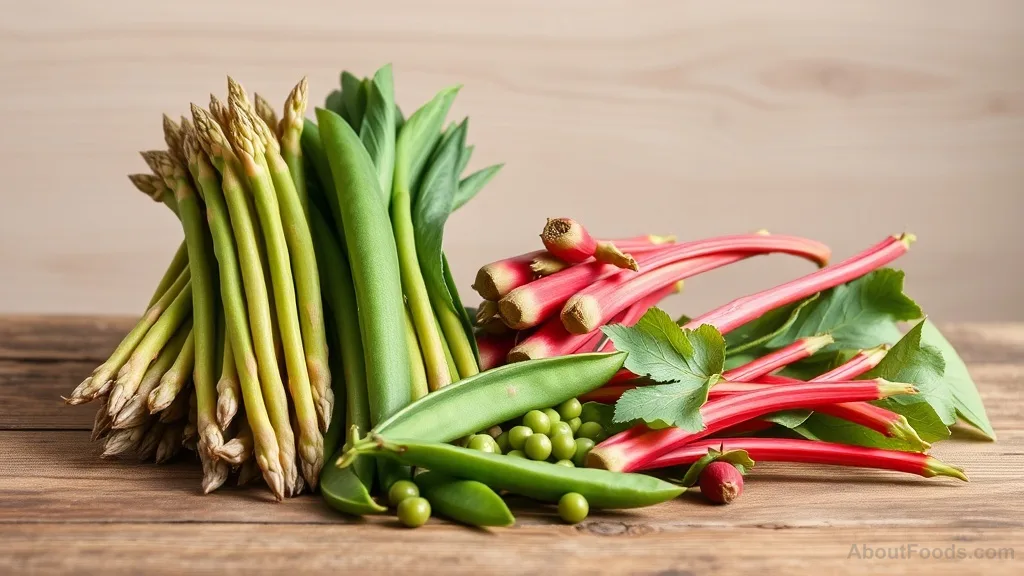
| Spring (Mar-May) | Asparagus, rhubarb, spring greens, new potatoes | Bright, tender, quick-cooking | Focus on light sautés, simple roasts, and fresh salads |
| Summer (Jun-Aug) | Berries, tomatoes, courgettes, runner beans | Juicy, sweet, abundant | Perfect for no-cook meals, grilling, and preserving |
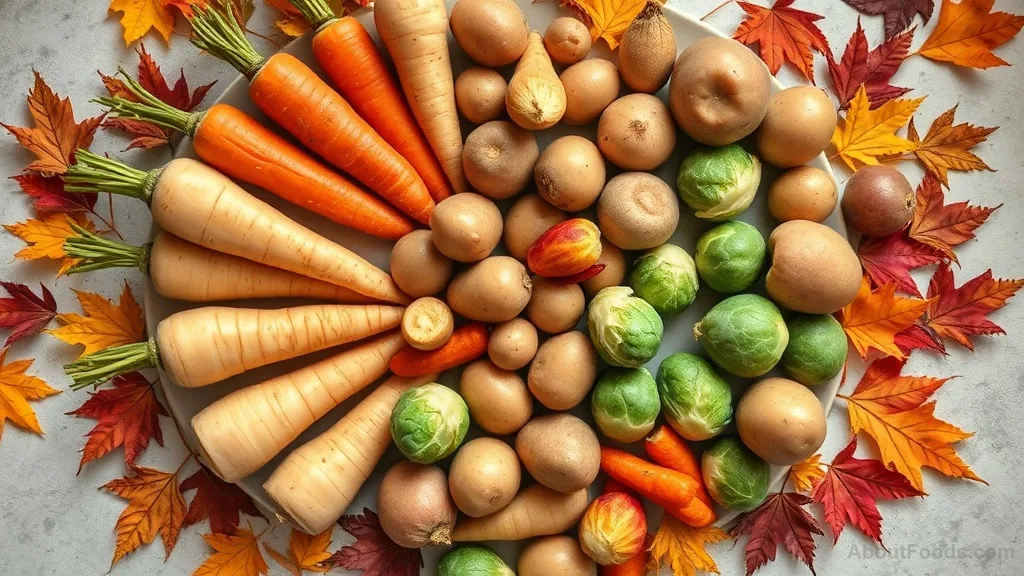
| Autumn (Sep-Nov) | Apples, pears, parsnips, squash, Brussels sprouts | Sweet, earthy, hearty | Ideal for roasting, soups, and comforting bakes |
| Winter (Dec-Feb) | Leeks, cabbage, kale, potatoes, stored apples | Robust, long-lasting, versatile | Great for stews, braises, and one-pot wonders |
Practical Storage: Keeping Your Seasonal Bounty Fresh
Nothing ruins good meal planning faster than spoiled produce. With a few simple storage tricks—the kind your gran probably knew but never wrote down—you can extend the life of your seasonal finds and reduce waste. Remember: different vegetables need different treatments, much like how a good gravy needs proper resting time.
Three Seasonal Meal Planning Strategies That Actually Work
Now for the practical bit—how to actually use this seasonal knowledge in your weekly planning. These aren't complicated systems requiring spreadsheets and colour coding. They're the kind of straightforward approaches that fit into real life, between work, family, and that precious cup of tea.
Common Mistakes and How to Avoid Them
Even with the best intentions, we can stumble when incorporating seasonal eating into our routines. Here are the pitfalls I've seen—and made myself—over years of kitchen wrangling, and how to sidestep them gracefully.
- Buying too much of one thing: That glut of courgettes looks tempting in August
- but be realistic about what you'll actually use
- Not having a plan for leftovers: Seasonal produce often comes in quantities that don't match recipe requirements
- Overcomplicating recipes: Seasonal produce shines with simple preparation—don't mask its natural flavors
- Ignoring preservation options: When something is abundant and cheap
- consider freezing
- pickling
- or making jams
Seasonal Produce FAQ: Your Questions Answered
How do I know what's actually in season at my local supermarket?
Look for British-grown labels, check what's on promotion (abundance often leads to sales), and don't be afraid to ask staff. Many supermarkets now highlight seasonal produce sections.
What if my family doesn't like some seasonal vegetables?
Try different preparation methods. Roasting brings out sweetness in vegetables like Brussels sprouts, while raw shaved cabbage in slaws can convert skeptics. Start with small portions alongside familiar favorites.
How can I eat seasonally on a tight budget?
Focus on the most abundant items each season—they'll be cheapest. Buy imperfect or 'wonky' vegetables, visit markets at closing time for deals, and prioritize vegetables that store well to reduce waste.
What are the best seasonal substitutes for out-of-season ingredients?
In winter, use stored apples instead of tropical fruits in baking. Swap summer tomatoes for tinned tomatoes or roasted root vegetables in stews. Use seasonal greens instead of imported lettuce in salads.
How do I transition between seasons in my meal planning?
Overlap is your friend. As one season winds down, incorporate the new season's early arrivals gradually. Late summer tomatoes can join early autumn squash in transitional dishes, easing the shift in flavors.
Rate this article
No ratings yet. Be the first to rate it.

Written by
Oliver Whitmore
Specialises in British cuisineOliver makes Sunday roast with Yorkshire puddings the size of your face. He says 'gravy is a beverage'.
Describe yourself in three words: Roasty, gravy boat, Yorkshire pride.