Budget Friendly
Simple Ways to Build Better Meals With Budget-Friendly Ingredients
Learn how to create delicious, satisfying meals without breaking the bank. This guide offers practical tips for using affordable staples, smart shopping strategies, and flavor-building techniques that make every bite count.
Start With a Flavor Foundation You Can Afford
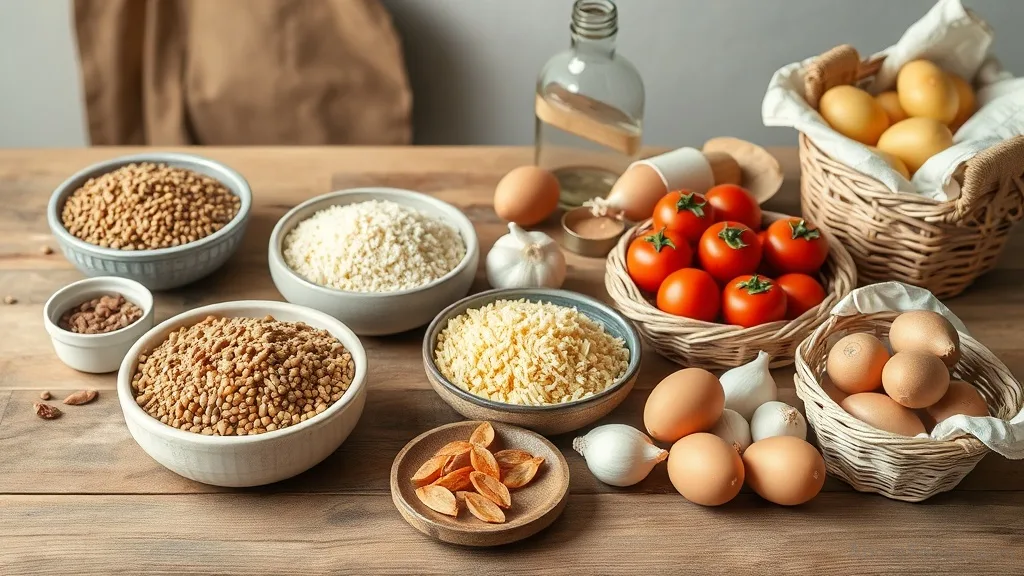
Let me tell you something straight from my Ethiopian kitchen: great meals don't need expensive ingredients. They need a solid foundation. Think of onions, garlic, and tomatoes as your culinary trinity—the holy trio that builds depth without draining your wallet. In my home, we'd sweat onions until they're golden and sweet, then add garlic until the whole house smells like heaven. That's where flavor begins. Canned tomatoes? They're your secret weapon for sauces, stews, and soups that taste like they simmered for hours. Keep these basics stocked, and you've already won half the battle.
- Onions and garlic: Buy in bulk when they're on sale
- they keep for weeks.
- Canned tomatoes: Opt for whole or crushed—they're versatile and often cheaper than fresh out of season.
- Spices: Invest in a few key ones like cumin
- paprika
- and chili flakes. A little goes a long way.
Master the Art of the Humble Protein Swap
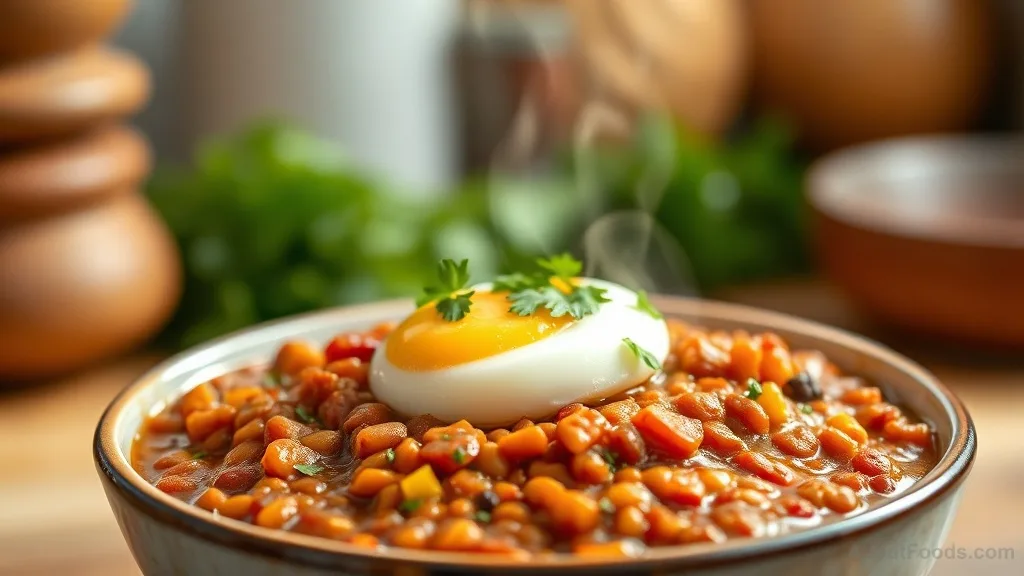
Meat can be pricey, but protein doesn't have to be. Enter lentils, beans, and eggs—the budget-friendly heroes that pack a punch. In Ethiopia, we celebrate lentils in dishes like misir wat, where they soak up spices and become something magical. A cup of dried lentils costs pennies and feeds a family. Eggs? They're nature's perfect topping—soft-boiled on a stew, fried over rice, or scrambled into leftovers. Don't shy away from canned beans either; rinse them well, and they're ready to bulk up any meal. These swaps keep costs down while keeping you full and satisfied.
Shop Smart: Where to Save Without Sacrificing Quality
Shopping on a budget isn't about deprivation—it's about strategy. Start with a list and stick to it; impulse buys are the enemy. Hit the bulk bins for grains and spices; you pay only for what you need. Frozen vegetables are your friend—they're often cheaper than fresh and just as nutritious. And don't overlook the humble cabbage or carrots; they're durable, versatile, and cost next to nothing. In my experience, shopping seasonally and locally can also cut costs. If tomatoes are $4 a pound in winter, maybe it's time for a root vegetable roast instead.
| Priority | Why It Works | Example |
|---|---|---|
| Buy in bulk | Reduces cost per unit and minimizes packaging waste | Rice, lentils, oats |
| Choose frozen | Often cheaper than fresh, with longer shelf life | Peas, spinach, mixed vegetables |
| Embrace hardy veggies | Last longer, reducing food waste | Cabbage, potatoes, onions |
Build Meals That Stretch and Transform
A pot of rice isn't just a side—it's tomorrow's fried rice, or a base for a grain bowl. Cook once, eat twice (or thrice). That's the spicy, buttery wisdom I grew up with. Make a big batch of bean chili on Sunday, and by Wednesday, it can become nacho topping or a baked potato filler. Leftovers are opportunities, not chores. In my kitchen, we'd take yesterday's stew, add an egg, and call it a new meal. This approach saves time, money, and mental energy. Plan meals that share ingredients, and you'll see your grocery bill shrink.
Flavor Hacks: Make Cheap Ingredients Shine
Budget cooking doesn't mean bland cooking. It means getting creative with what you have. Toast your spices in a dry pan before adding them—it unlocks oils and aromas that transform a dish. A splash of vinegar or a squeeze of lemon at the end can brighten up the heaviest stew. And never underestimate the power of fresh herbs; a handful of cilantro or parsley costs little but adds vibrancy. In Ethiopian cuisine, we use berbere—a spice blend that turns simple lentils into a fiery feast. You don't need fancy ingredients; you need confidence to layer flavors.
- Toast spices: Heat cumin
- coriander
- or chili flakes in a dry pan for 1-2 minutes until fragrant.
- Acid is key: Finish dishes with a bit of lemon juice
- vinegar
- or yogurt to balance richness.
- Herb it up: Grow a small pot of basil or parsley
- a few leaves elevate any plate.
FAQs: Your Budget Cooking Questions, Answered
What are the most essential budget-friendly pantry items?
Focus on dried lentils, rice, canned tomatoes, onions, garlic, eggs, and a few key spices like cumin and paprika. These form the base of countless meals.
How can I avoid food waste when cooking on a budget?
Plan meals around ingredients that overlap, use leftovers creatively (like turning stew into a filling), and store produce properly—keep onions and potatoes in a cool, dark place.
Is it cheaper to buy fresh or frozen vegetables?
It depends on the season and item. Frozen vegetables are often more affordable and have a longer shelf life, making them a reliable choice for budget cooking.
Can I build flavor without expensive ingredients?
Absolutely. Layer flavors by sautéing onions and garlic, toasting spices, and using acids like vinegar. These techniques cost little but make a big impact.
Rate this article
No ratings yet. Be the first to rate it.

Written by
Dawit Tesfaye
Specialises in Ethiopian cuisineDawit makes doro wat with berbere and a hard-boiled egg. He uses clarified butter spiced with rosemary.
Describe yourself in three words: Spicy, buttery, egg-topped.