Seasonal Produce
Simple Ways to Build Better Meals With Seasonal Produce
Learn straightforward techniques to make the most of seasonal fruits and vegetables in your everyday cooking. From choosing the best produce to simple preparation methods that highlight natural flavours, this guide will help you create more delicious and satisfying meals.
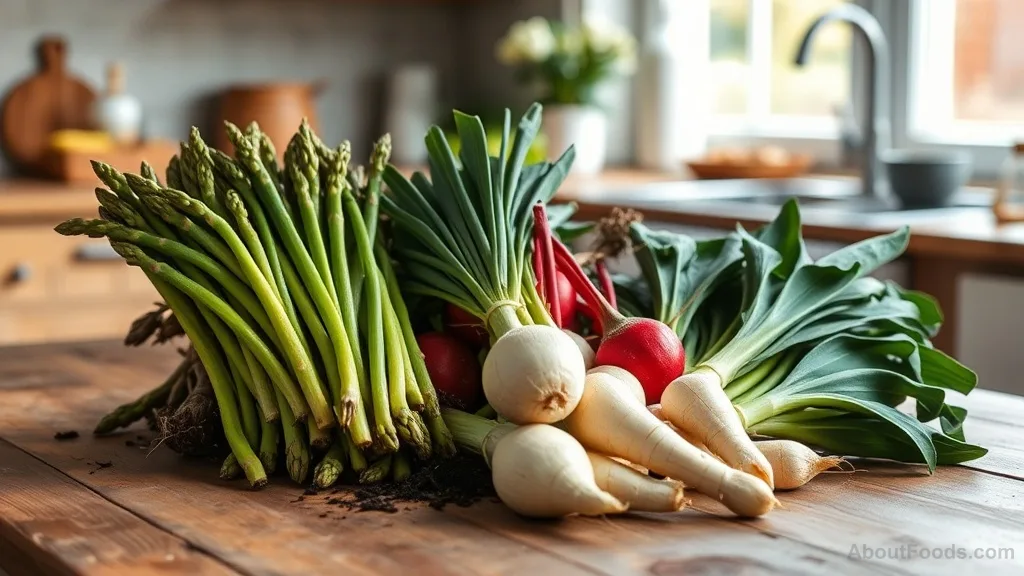
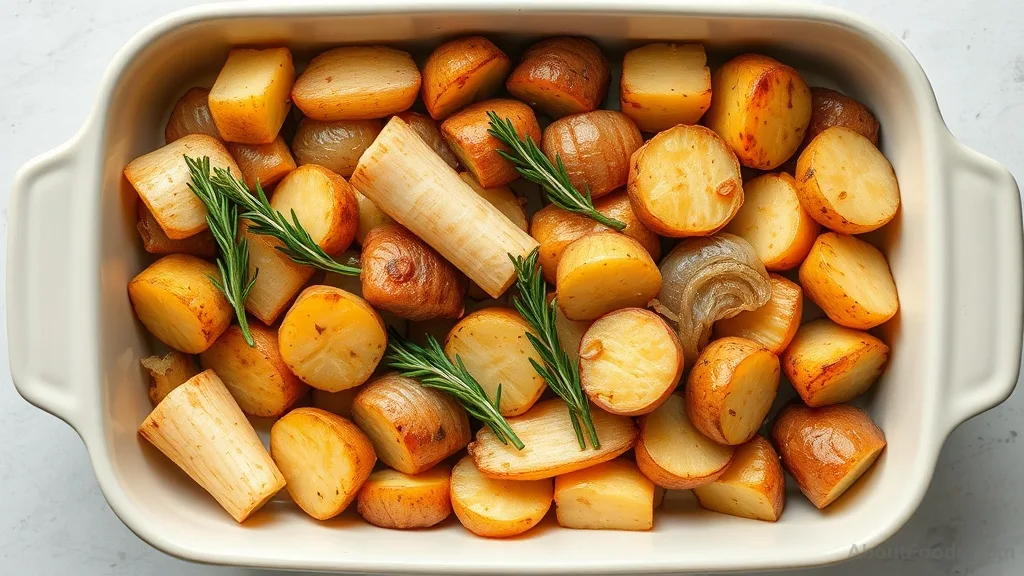
Why Seasonal Produce Makes All the Difference
Now, I've been cooking with British produce since I could reach the stove, and there's a simple truth that's stood the test of time: food tastes better when it's in season. It's not just some fancy chef talk—it's practical kitchen wisdom. When you use asparagus in spring when it's tender and sweet, or parsnips in autumn when they've developed their proper earthy sweetness, you're working with ingredients at their peak. They need less fussing about, fewer fancy techniques, and they naturally complement what else is growing at the same time. It's how our grandparents cooked, and frankly, they knew a thing or two about making a satisfying meal without breaking the bank or spending hours in the kitchen.
- Better flavour and texture when produce is harvested at its peak
- Often more affordable due to local abundance
- Supports British farmers and reduces food miles
- Natural pairing with other seasonal ingredients
How to Choose the Best Seasonal Produce
Choosing good produce doesn't require a degree in horticulture—just a bit of common sense and attention. When you're at the market or greengrocer, look for vegetables that feel heavy for their size and fruits that have a pleasant, natural fragrance. Don't be afraid to give things a gentle squeeze (within reason—no need to manhandle the tomatoes). Seasonal produce should look vibrant and fresh, not tired or overly perfect. Remember: a few blemishes on an apple often mean it's been grown properly, not pumped full of chemicals to look like a plastic replica.
Simple Preparation Techniques That Actually Work
The beauty of seasonal produce is that it doesn't need much doing to it. In fact, overcomplicating things is where many home cooks go wrong. Start with proper washing—just cool water, no fancy veggie washes needed. For most vegetables, a good scrub with a brush will do. Then think about how you're going to cook them. Roasting brings out natural sugars, steaming preserves nutrients and colour, and raw preparations let the fresh flavour shine through. The key is matching the technique to the ingredient, not forcing every vegetable into the same preparation method.
| Produce | Best Preparation | Common Mistake to Avoid |
|---|---|---|
| Asparagus | Quick roast or steam whole stalks | Overcooking until mushy |
| Rhubarb | Stew with minimal sugar | Adding too much sweetener early |
| Parsnips | Roast with oil and herbs | Cutting pieces unevenly |
| Spring greens | Light steam or quick sauté | Boiling until colour fades |
| Blackberries | Use fresh or make simple compote | Washing too vigorously |
| Apples | Slice for salads or bake whole | Peeling when skin is edible |
Building Meals Around What's Fresh
Here's where the magic happens: turning seasonal produce into proper meals. Start by making the vegetables the star, then build around them. If you've got beautiful spring asparagus, steam it simply and serve with a proper Yorkshire pudding and gravy—let the asparagus shine rather than hiding it. In autumn, roasted root vegetables can form the base of a hearty shepherd's pie topping. The principle is simple: let the seasonal ingredient guide your meal planning rather than forcing it to fit a recipe you found online that calls for out-of-season imports.
Flavour Pairings That Make Sense Seasonally
Nature has a funny way of making things that grow together taste good together. Spring rhubarb pairs beautifully with early strawberries. Autumn apples complement pork perfectly. Winter kale stands up to robust garlic and chili. These aren't accidents—they're evolutionary kitchen wisdom. When you stick to seasonal pairings, you're working with flavours that have developed alongside each other, which means they balance naturally without you needing to add a dozen ingredients to make them work.
- Spring: asparagus + lemon + butter
- Summer: tomatoes + basil + olive oil
- Autumn: apples + pork + sage
- Winter: kale + garlic + chili flakes
- Year-round: onions + carrots + celery (the holy trinity of British cooking)
Notice how these are simple combinations? That's intentional. When produce is at its peak, it doesn't need masking or complicated sauces. A bit of fat (butter, oil), some acid (lemon, vinegar), and maybe an herb or two is all you need to make seasonal vegetables sing.
Common Mistakes and How to Avoid Them
Even with the best intentions, it's easy to muck up perfectly good seasonal produce. I've done it myself more times than I care to admit. The most common error? Overcooking. Seasonal vegetables are often more tender and cook faster than their out-of-season counterparts. Another frequent mistake is over-seasoning—when produce is fresh and flavourful, it needs less salt, fewer spices, and definitely less fuss. And for heaven's sake, don't drown everything in sauce. Let the natural flavours come through.
Putting It All Together: A Seasonal Week
Let's walk through what a week of seasonal cooking might look like in spring, using what's readily available and at its best. Monday: steamed asparagus with lemon alongside simple grilled fish. Tuesday: rhubarb compote with yogurt for breakfast, leftover in oatmeal Wednesday morning. Wednesday: spring onion and potato soup using the greens from your onions. Thursday: asparagus again (it's in season, enjoy it!) in a pasta with garlic and olive oil. Friday: roasted radishes (yes, they're lovely roasted) with chicken. The pattern is simple: buy what looks good, prepare it simply, repeat it through the week in different ways. No complicated meal plans needed.
The real secret? Shopping more frequently for smaller amounts. Instead of one big weekly shop where produce sits for days, pop to your local greengrocer two or three times a week for what looks freshest. It takes less time than you think, and you'll waste less food while eating better at every meal.
Frequently Asked Questions
How do I know what's in season in my area?
Visit local farmers markets and see what's abundant. Most British supermarkets now label British seasonal produce. As a rule: spring brings greens and early fruits, summer means berries and tomatoes, autumn is root vegetables and apples, winter is hearty greens and storage crops.
Is frozen or canned seasonal produce a good option?
Frozen can be excellent, especially for fruits like berries that freeze well at peak ripeness. Canned vegetables often lose texture and flavour—better to buy fresh and freeze yourself if you must preserve.
How can I make seasonal eating affordable?
Buy what's most abundant—it's usually cheapest. Don't shy away from imperfect produce, and learn to use all parts of vegetables (beet greens, carrot tops, etc.). Seasonal eating is actually more economical once you get the hang of it.
What if my family doesn't like certain seasonal vegetables?
Try different preparations. Many people who claim to hate Brussels sprouts have only had them boiled to oblivion. Roasted with a bit of oil and salt? Different story entirely. Keep trying seasonal vegetables prepared simply—tastes change.
How do I store seasonal produce properly?
Most vegetables do best in the fridge's crisper drawer. Fruits like tomatoes and bananas should stay on the counter. Herbs go stem-down in water like flowers. Root vegetables keep in cool, dark places. When in doubt, ask your greengrocer—they know their produce best.
Rate this article
No ratings yet. Be the first to rate it.

Written by
Oliver Whitmore
Specialises in British cuisineOliver makes Sunday roast with Yorkshire puddings the size of your face. He says 'gravy is a beverage'.
Describe yourself in three words: Roasty, gravy boat, Yorkshire pride.