Pantry Staples
The AboutFoods Guide to Pantry Staples: Build Your Flavor Foundation Like an Ethiopian Kitchen
A practical guide to essential pantry staples that form the backbone of versatile cooking. Learn how to stock your kitchen with ingredients that save time, money, and elevate everyday meals with authentic Ethiopian-inspired wisdom.
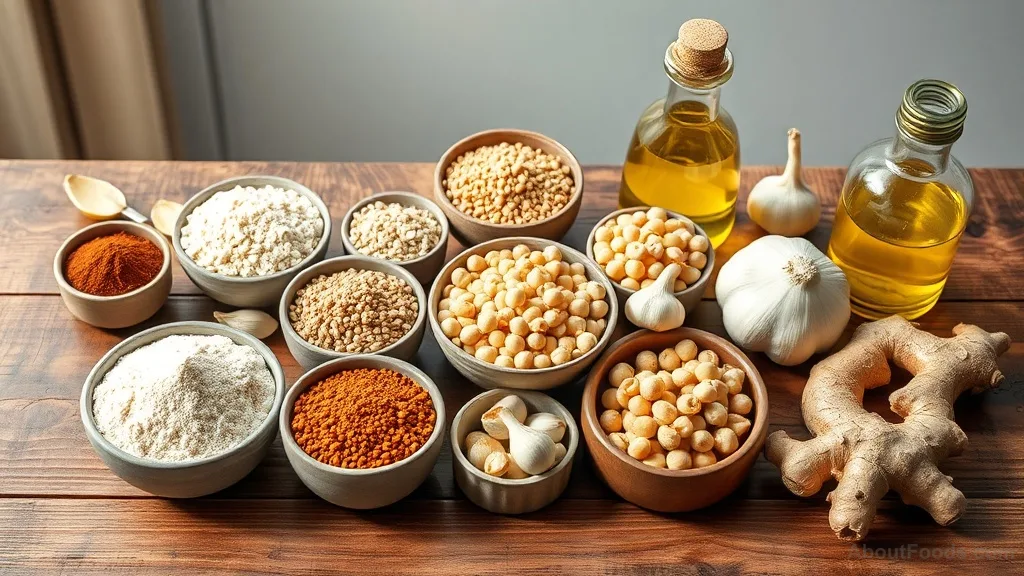
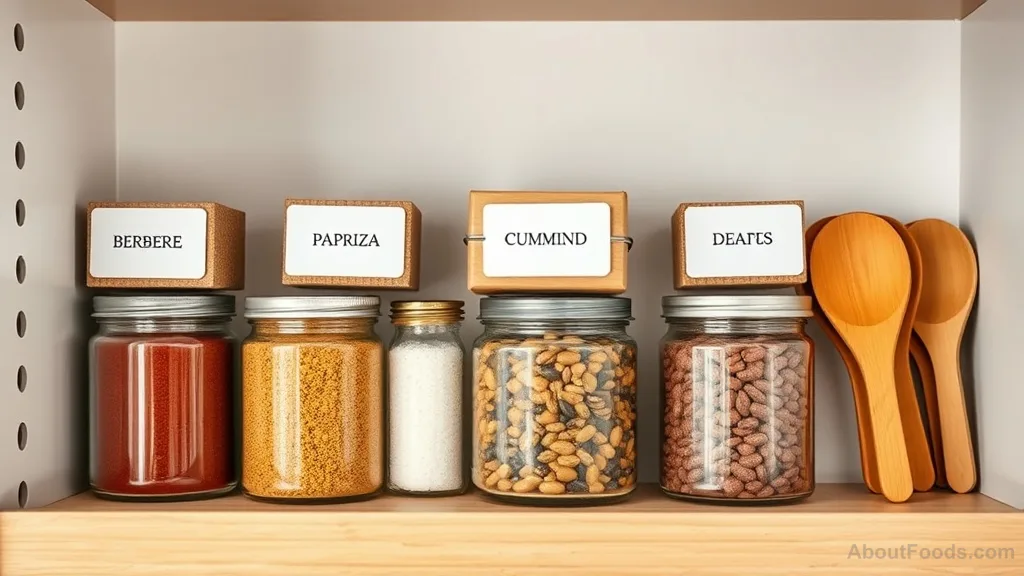
Why Your Pantry Matters More Than Your Recipe Book
Growing up in an Ethiopian kitchen, I learned early that the magic isn't in complicated recipes—it's in the humble jars and bags lining our pantry shelves. My grandmother could transform onions, garlic, and berbere into a feast that fed our entire family, and she did it without running to the market daily. A well-stocked pantry is your kitchen's backbone: it saves money, reduces food waste, and turns 'what should I cook?' into 'what delicious thing shall I create today?' This guide isn't about buying everything at once; it's about building your flavor foundation intentionally, with ingredients that work hard for you.
The Ethiopian-Inspired Pantry Philosophy
Ethiopian cooking teaches us to work with what we have, using layers of flavor rather than expensive ingredients. We keep our pantries stocked with dry goods, spices, and preserved items that last. Think of your pantry as your culinary toolbox: each item should serve multiple purposes. Berbere isn't just for doro wat—it can spice roasted vegetables, marinades, or even popcorn. Lentils become stews, salads, or burger patties. This approach means you're always just a few steps away from a satisfying meal, even when fresh produce is limited.
- Prioritize versatility: Choose ingredients that work in multiple cuisines and dishes
- Embrace preservation: Dried beans
- grains
- and spices outlast fresh ingredients
- Build flavor layers: Combine pantry staples to create depth without complexity
- Shop intentionally: Buy what you'll actually use
- not just what looks interesting
Essential Pantry Categories and Must-Haves
These categories form the foundation of countless meals. Start with these basics, then expand based on your cooking style.
| Category | Essential Items | Why You Need Them | Storage Tips |
|---|---|---|---|
| Grains & Flours | Teff flour, rice, oats, all-purpose flour | Base for breads, porridges, and thickening agents; teff adds nutrition and unique flavor | Store in airtight containers in cool, dark place; teff flour in refrigerator for freshness |
| Legumes & Beans | Brown lentils, chickpeas, split peas | Protein-rich, budget-friendly, versatile for stews, salads, and sides | Keep dried beans in sealed jars; cooked beans freeze well for quick meals |
| Aromatics & Preserved Veggies | Onions, garlic, ginger, tomato paste | Flavor foundation for almost every savory dish; tomato paste adds depth and color | Store onions and garlic in ventilated baskets; freeze ginger and tomato paste in portions |
| Oils & Vinegars | Neutral oil (vegetable/canola), olive oil, white vinegar | Cooking medium, dressing base, and flavor enhancer; vinegar balances richness | Keep oils away from heat and light; vinegar lasts indefinitely at room temperature |
| Salt & Spices | Kosher salt, berbere, cumin, paprika, black pepper | Seasoning backbone; berbere brings complex heat and warmth to any cuisine | Store spices in airtight containers away from heat; replace berbere every 6 months for potency |
How to Build Your Pantry Step by Step
Don't overwhelm yourself trying to buy everything at once. Start with these priority levels, adding items as you need them for recipes you actually cook.
Common Pantry Mistakes and How to Avoid Them
Even experienced cooks make pantry errors. Here's how to sidestep the most common pitfalls.
3 Quick Meals from Your New Pantry Staples
Test your pantry with these simple, satisfying recipes that require minimal fresh ingredients.
- Spiced Lentil Soup: Sauté chopped onions and garlic in oil until soft. Add berbere
- cumin
- and tomato paste
- cooking for 1 minute. Add brown lentils and water or broth
- simmer until tender (25-30 minutes). Season with salt and pepper.
- Berbere-Roasted Chickpeas: Drain and rinse canned chickpeas
- pat dry. Toss with oil
- berbere
Pantry Staples FAQ
How much should I spend building my initial pantry?
Start with $50-100 for Level 1 basics, adding $20-30 per month for additional items. Focus on versatile staples rather than expensive specialty ingredients initially.
How long do dried beans and grains really last?
Properly stored in airtight containers in a cool, dark place: dried beans 1-2 years, rice and other grains 6 months to 1 year, teff flour 3-6 months (refrigerate for longer freshness). They may last longer but lose optimal flavor and texture over time.
Can I substitute berbere if I can't find it?
Yes, make a simple blend: mix 2 parts paprika, 1 part cayenne, and smaller amounts of cumin, coriander, and ginger. It won't be identical but provides similar warmth and complexity.
How do I organize a small pantry efficiently?
Use clear containers to see contents easily, group by category (grains together, spices together), utilize vertical space with shelves or risers, and keep most-used items at eye level.
What's the one pantry item I shouldn't skip?
Berbere or a similar spice blend—it transforms simple ingredients into exciting meals. If you must choose just one specialty item, make it this flavor powerhouse.
Rate this article
No ratings yet. Be the first to rate it.

Written by
Dawit Tesfaye
Specialises in Ethiopian cuisineDawit makes doro wat with berbere and a hard-boiled egg. He uses clarified butter spiced with rosemary.
Describe yourself in three words: Spicy, buttery, egg-topped.