Whole Grains
Whole Grains Worth Adding to Your Grocery List — A Practical Guide
Not all grains are created equal. Here are the whole grains that deliver real nutrition and flavor, plus tips for cooking and storing them.
Why Whole Grains Belong in Your Pantry
Growing up in a Mexican household, I learned early that grains are the backbone of so many meals. But not all grains are created equal. Whole grains — those that still contain the bran, germ, and endosperm — offer more fiber, protein, and nutrients than their refined counterparts. They keep you fuller longer, support digestion, and add wonderful texture and flavor to everyday cooking. Whether you're new to whole grains or looking to expand your rotation, this list will help you choose wisely.
The Whole Grains Worth Buying
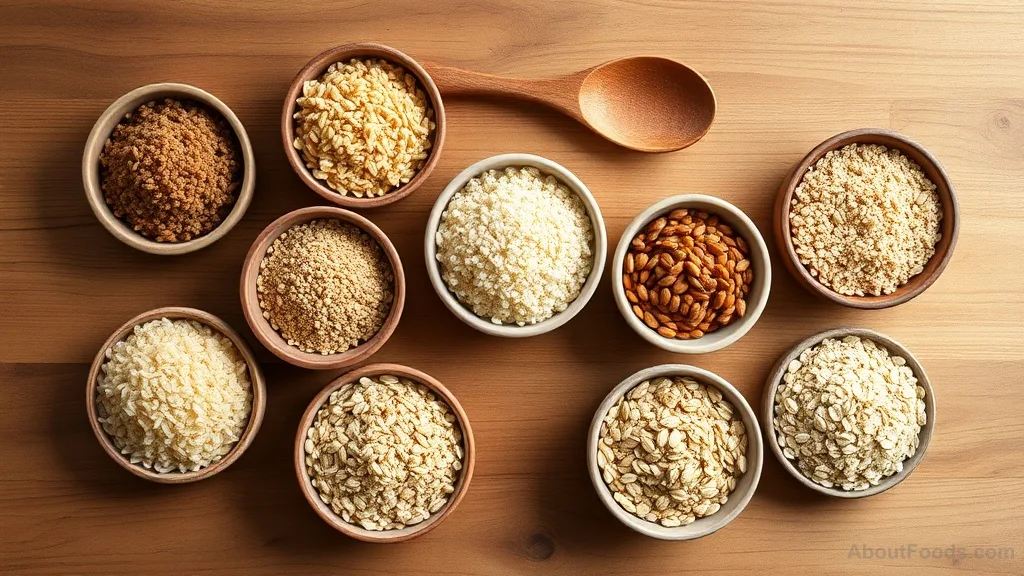
Here are the whole grains I always keep in my kitchen. Each one brings something different to the table, from quick-cooking options to hearty staples for soups and salads.
This table gives you a quick overview, but let's dive deeper into why each grain earns a spot on my grocery list.
Oats: The Breakfast Staple
Oats are the most accessible whole grain for many people. They come in several forms: oat groats (least processed), steel-cut, rolled, and instant. I prefer rolled oats for their balance of texture and convenience. Steel-cut oats take longer to cook but reward you with a chewy, satisfying porridge. Oats are incredibly versatile — use them for warm breakfasts, overnight oats, granola, or even as a binder in meatloaves and veggie burgers.
One common mistake is buying pre-flavored instant oatmeal packets. These are often loaded with sugar and additives. Instead, buy plain oats and add your own toppings: fresh fruit, a drizzle of honey, a sprinkle of cinnamon, or a dollop of yogurt.
Quinoa: The Complete Protein
Quinoa is a seed that cooks like a grain, and it's one of the few plant foods that contains all nine essential amino acids — making it a complete protein. Its fluffy texture and mild, nutty flavor make it a perfect base for salads, bowls, and pilafs. I always rinse quinoa before cooking to remove its natural bitter coating (saponin). Then cook it in water or broth for about 15 minutes, then fluff with a fork.
Quinoa cooks quickly, which makes it a great weeknight option. Try it as a substitute for rice in stir-fries, or chill it and toss with chopped vegetables, herbs, and a lemon vinaigrette for a refreshing side.
Brown Rice: The Everyday Workhorse
Brown rice is simply whole-grain rice with only the inedible hull removed. It takes longer to cook than white rice — about 45 to 50 minutes — but the extra time is worth it for the chewy texture and nutty flavor. Brown rice is incredibly forgiving and pairs with almost any cuisine. Use it in stir-fries, stuffed peppers, casseroles, or as a simple side.
To speed things up, cook a big batch at the beginning of the week and store it in the fridge. Brown rice also freezes well. Just reheat with a splash of water or broth.
Farro: The Ancient Grain with Bite
Farro is an ancient wheat grain with a delightful chewiness. It holds its shape well, making it ideal for salads and soups. There are two main types: pearled farro (which cooks faster because the bran is partially removed) and whole farro (which retains all the bran and takes longer to cook). I keep pearled farro on hand for quick meals. Cook it like pasta — boil in salted water until tender, then drain. Farro works beautifully in warm salads with roasted vegetables, or in a hearty minestrone.
One tip: toast the dry farro in a pan for a few minutes before boiling to bring out a deeper, nuttier flavor.
Barley: The Soup Champion
Barley has a wonderful chewy texture and a mild, earthy flavor that pairs perfectly with broths and vegetables. Hulled barley is the whole-grain version, but it takes up to an hour to cook. Pearled barley cooks faster (about 25-30 minutes) but has some of the bran removed. For soups, pearled barley is my go-to because it softens nicely and thickens the broth naturally. Barley also makes a great side dish: cook it in chicken or vegetable stock, then stir in fresh herbs and a pat of butter.
Millet, Buckwheat, and Amaranth: Small Grains, Big Flavor
These three lesser-known grains deserve a spot in your pantry. Millet is a tiny, mild grain that cooks up fluffy and light — perfect as a side dish or breakfast porridge. It's also naturally gluten-free. Buckwheat, despite its name, is not related to wheat and is also gluten-free. It has a strong, toasty flavor. I love using kasha (toasted buckwheat) in pilafs or mixing it with pasta and onions. Amaranth is even tinier and cooks into a creamy porridge. It can also be popped like popcorn for a crunchy topping.
These grains are nutrient-dense and add variety to your meals. Start with millet if you're new — it's the most neutral and easy to incorporate.
How to Store Whole Grains
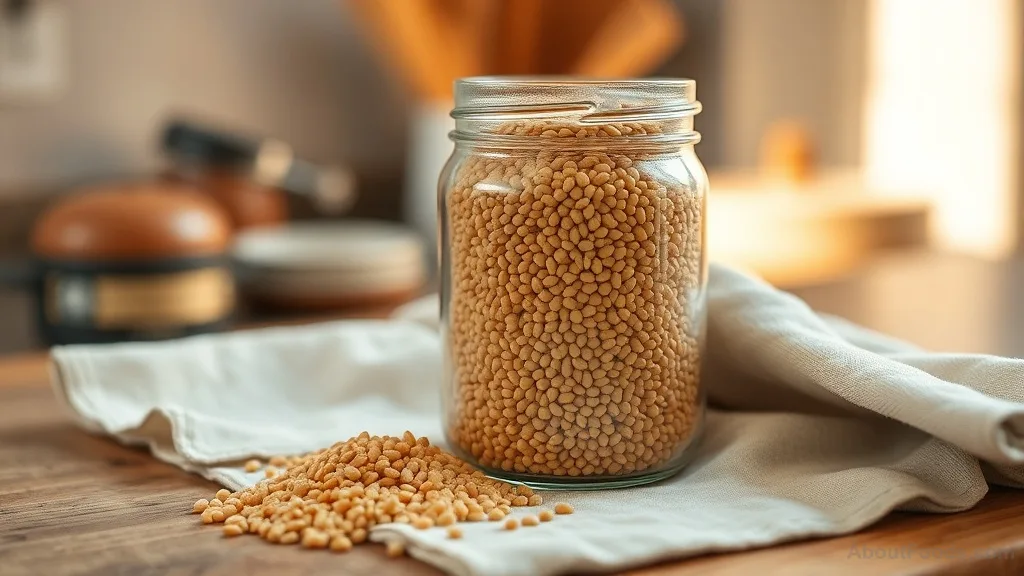
Whole grains contain natural oils that can go rancid over time. To keep them fresh, store them in airtight containers — glass jars or food-grade buckets — in a cool, dark place. For longer storage, keep them in the refrigerator or freezer. Cooked grains can be refrigerated for up to 5 days or frozen for up to 3 months.
- Keep raw grains in airtight containers away from heat and light.
- Label containers with the purchase date to track freshness.
- Refrigerate or freeze if you won't use them within a few months.
- Store cooked grains in the fridge in sealed containers
- reheat with a splash of water.
Frequently Asked Questions
Final Thoughts
Adding whole grains to your grocery list is a small change that can make a big difference in your meals. Start with one or two from this list, experiment with different recipes, and soon you'll have a pantry full of wholesome options. Remember, cooking whole grains takes a bit more time, but the flavor and nutrition are well worth it.
Rate this article
No ratings yet. Be the first to rate it.

Written by
Camila Morales
Specialises in Mexican cuisineCamila makes mole that takes three days. She says shortcuts are for the weak. Her abuela approves.
Describe yourself in three words: Patient, serious, deeply traditional.