Iron
12 Affordable Foods High in Iron You Can Find Anywhere
Iron is essential for energy and overall health, but you don't need expensive supplements or exotic ingredients. This guide covers budget-friendly, widely available iron-rich foods, with practical tips to boost absorption and simple ways to add them to your meals.
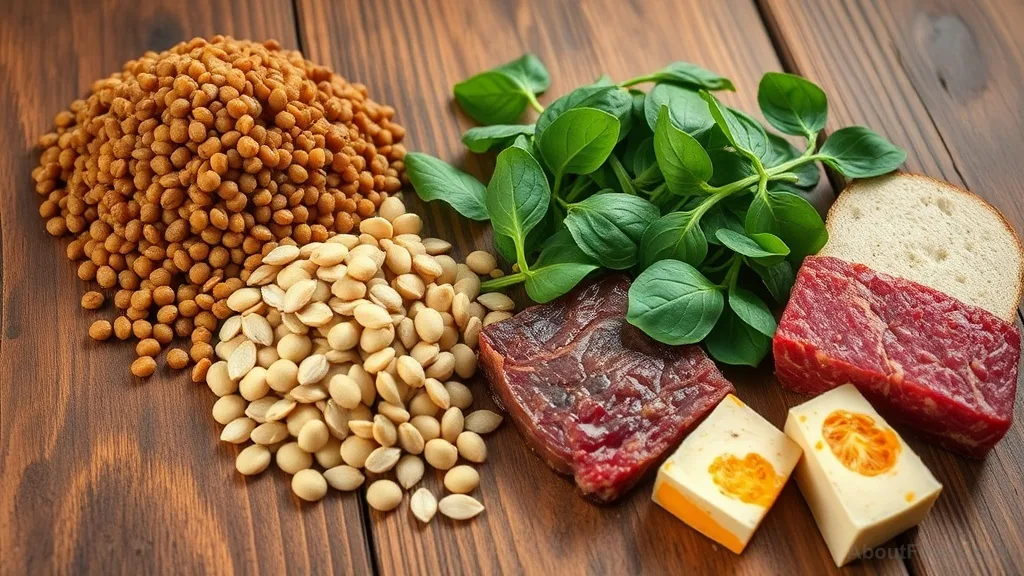
Why Iron Matters (and Why You Don’t Need Fancy Foods)
Iron is a mineral that plays a crucial role in carrying oxygen through your blood. When you’re low on iron, you might feel tired, weak, or foggy. But here’s the good news: you don’t need expensive cuts of meat or obscure superfoods to meet your needs. Some of the most iron-rich foods are also the most affordable and widely available. In this guide, I’ll show you my favorite budget-friendly sources, with tips to help your body absorb the iron better.
How Much Iron Do You Need?
The recommended daily intake varies by age and gender. Adult men need about 8 mg per day, while women of childbearing age need about 18 mg. Pregnant women need even more. But don’t stress over exact numbers – a varied diet with these foods will keep you on track.
Heme vs. Non-Heme Iron: What’s the Difference?
Iron comes in two forms: heme and non-heme. Heme iron is found in animal foods like meat, poultry, and fish, and your body absorbs it more easily. Non-heme iron comes from plant sources like beans, lentils, and spinach. While non-heme iron isn’t absorbed as efficiently, you can boost absorption by pairing it with vitamin C-rich foods – think squeezing lemon juice over lentils or eating strawberries with your spinach salad.
Top Affordable Iron-Rich Foods
Other excellent options include chickpeas (4.7 mg per cup), black beans (3.6 mg per cup), firm tofu (3.4 mg per half cup), quinoa (2.8 mg per cup), and canned tuna (1.3 mg per 3 oz). Don’t forget fortified breakfast cereals – some provide up to 18 mg per serving, making them a quick fix.
Tips to Boost Iron Absorption
- Pair non-heme iron with vitamin C: Add lemon juice to lentil soup
- eat spinach salad with strawberries
- or drink a glass of orange juice with your fortified cereal.
- Avoid coffee or tea with meals: Tannins in these drinks can inhibit iron absorption. Wait at least an hour after eating.
- Cook in a cast-iron skillet: This can add small amounts of iron to your food
- especially when cooking acidic foods like tomato sauce.
- Soak and sprout legumes: This reduces phytic acid
- which can block iron absorption. Rinse canned beans well before using.
Simple Meal Ideas to Get More Iron
Here are a few easy ways to combine these foods into meals that are both delicious and budget-friendly:.
- Breakfast: Bowl of fortified cereal with milk and a handful of strawberries on top.
- Lunch: Spinach salad with chickpeas
- pumpkin seeds
- and a lemon vinaigrette.
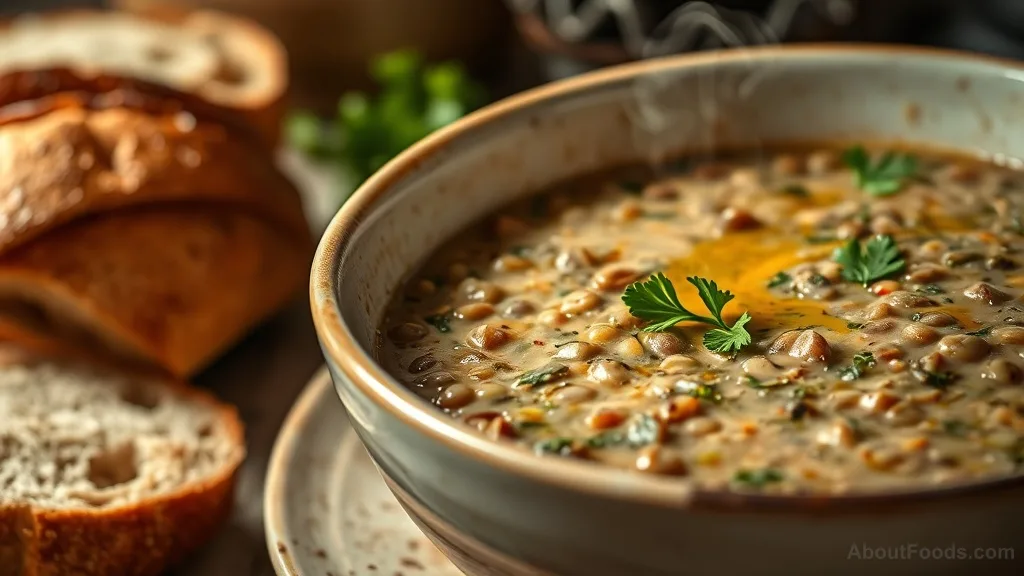
- Dinner: Lentil soup with a side of sautéed spinach (add a squeeze of lemon).
- Snack: Apple slices with peanut butter (peanut butter has about 0.6 mg per tablespoon) and a few pumpkin seeds.
Common Mistakes to Avoid
Frequently Asked Questions
Can I get enough iron from plant foods alone?
Yes, but you need to be mindful of absorption. Include vitamin C-rich foods and consider eating multiple iron-rich plant foods throughout the day.
Are eggs a good source of iron?
Eggs contain about 0.9 mg of iron per large egg, mostly in the yolk. They are not as high as lentils or spinach but can contribute to your total intake.
How can I tell if I have low iron?
Common signs include fatigue, weakness, pale skin, and shortness of breath. If you suspect deficiency, consult a healthcare provider for a blood test.
Rate this article
No ratings yet. Be the first to rate it.

Written by
Zeynep Yilmaz
Specialises in Turkish cuisineZeynep makes baklava with pistachios from her hometown of Gaziantep. She will tell you the exact village.
Describe yourself in three words: Proud, nutty, regionalist.