Potassium
Creamy, Indulgent & Unapologetic: My Favorite Affordable Potassium-Rich Foods You Can Find Anywhere
Discover delicious, budget-friendly foods packed with potassium that are easy to find at your local market. From creamy avocados to hearty beans, these staples will keep you nourished without breaking the bank.
Why Potassium Matters & Why We're Talking About It
Let me tell you something, mi gente—when it comes to feeling good in your body, potassium is that quiet friend who shows up with exactly what you need. It's not flashy like vitamin C or trendy like antioxidants, but oh, it does the work. This essential mineral helps your muscles move smoothly, keeps your heart beating steadily, and balances fluids in your body. And here's the creamy truth: many of us don't get enough. But I'm not here to scare you—I'm here to show you how deliciously easy it can be to get your potassium fix without spending your whole paycheck.
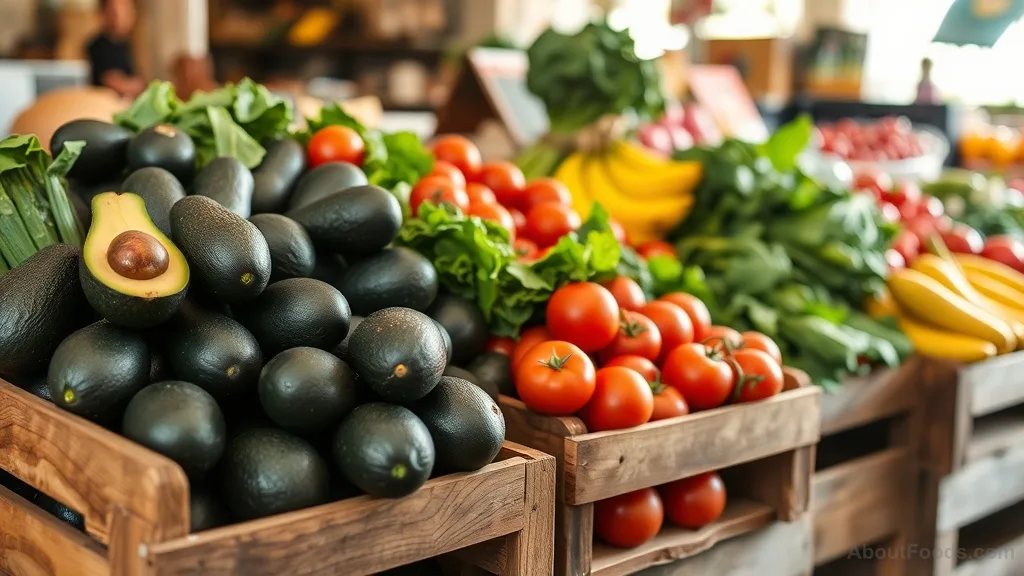
Growing up in a Mexican household, I learned early that nourishment doesn't have to be expensive or complicated. My abuela would whip up pots of beans that could feed an army for pennies, and she always had avocados ripening on the counter. These weren't 'superfoods' to her—they were just food. Real, satisfying, life-giving food. And guess what? They're packed with potassium. So let's walk through the mercado together and I'll show you what to look for.
The Creamy All-Stars: Avocados & Bananas
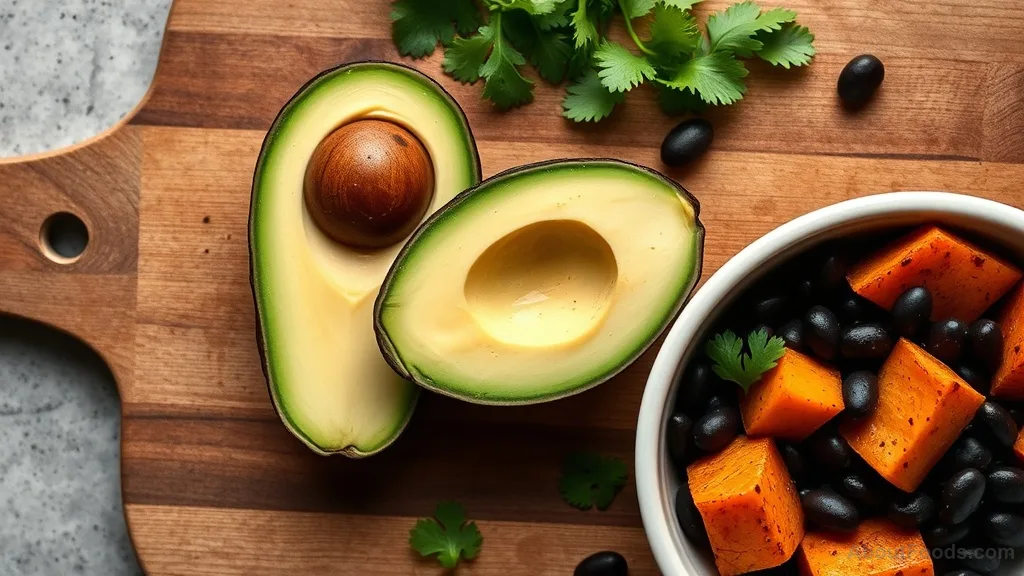
If potassium had a fan club, these two would be the presidents. Let's start with the avocado—my personal obsession. One medium avocado gives you about 975 milligrams of potassium. That's more than a banana! And the texture? Like nature's butter. Don't just save it for guacamole (though, please, make the guacamole). Mash it on toast with a sprinkle of chili flakes, blend it into smoothies for creaminess without dairy, or slice it over beans and rice for a complete meal.
Now, bananas—the original potassium poster child. One medium banana has around 422 milligrams. They're portable, they're sweet, they're affordable year-round. But here's my indulgent tip: don't wait for them to be perfectly yellow. Those speckled, almost-too-ripe bananas? They're sweeter and perfect for freezing. Peel them, chunk them, and freeze for smoothies or 'nice cream.' Or slice them onto oatmeal with a drizzle of honey. Simple. Satisfying. Effective.
The Hearty Staples: Beans & Potatoes
Listen, if you want to eat well on a budget, you become friends with beans. Black beans, pinto beans, kidney beans—they're all potassium powerhouses. One cup of cooked black beans delivers about 611 milligrams. And they're so versatile! Make a big pot on Sunday and you have meals for days: bean tacos, bean soups, bean salads. My abuela's secret? Always cook them with a piece of kombu (seaweed)—it makes them more digestible and adds minerals.
Now let's talk potatoes. Sweet potatoes and white potatoes both bring the potassium. One medium baked potato with skin? About 926 milligrams. The skin holds a lot of the nutrients, so please, don't peel it! Roast them with olive oil and rosemary, mash them with garlic, or slice them thin for homemade fries. Sweet potatoes are slightly lower in potassium but higher in vitamin A—roast them until caramelized and top with black beans for a complete, affordable meal.
- Buy dried beans in bulk—they're cheaper and you control the sodium
- Cook extra potatoes to have ready for quick breakfast hashes or lunch bowls
- Don't discard potato cooking water—use it to make soups or bread for extra nutrients
The Green Giants: Spinach & Other Leafy Greens
Popeye was onto something with that spinach. One cup of cooked spinach has about 839 milligrams of potassium. And here's the thing—cooking it concentrates both the nutrients and the flavor. I know raw spinach salads are popular, but try wilting it into soups, stews, or pasta sauces. It practically dissolves into creamy goodness. Frozen spinach is just as nutritious as fresh and often more affordable, especially when fresh isn't in season.
Other greens like Swiss chard and beet greens are also potassium-rich, and they often come attached to vegetables you're already buying. Don't throw those tops away! Sauté them with garlic and olive oil for a simple side. If you find them bitter, a squeeze of lemon balances everything out beautifully.
| Food | Serving | Potassium (approx) |
|---|---|---|
| Cooked spinach | 1 cup | 839mg |
| Swiss chard | 1 cup cooked | 961mg |
| Beet greens | 1 cup cooked | 1,309mg |
| Frozen spinach | 1/2 cup | 420mg |
The Pantry Heroes: Tomatoes & Mushrooms
These might surprise you, but both are fantastic, affordable potassium sources. Let's start with tomatoes. One cup of tomato sauce has about 728 milligrams. Canned tomatoes, tomato paste, even sun-dried tomatoes—they all count. And they're so useful! A can of tomatoes, some garlic, and herbs can become pasta sauce, soup base, or stew starter in minutes. Keep tomato paste in a tube in your fridge—it lasts forever and you can squeeze out just what you need.
Mushrooms are the other underrated star. One cup of cooked white mushrooms has about 555 milligrams. They have that umami quality that makes everything taste richer. Sauté them with onions as a base for gravies, add them to omelets, or roast them until crispy. Dried mushrooms are also great—soak them and use the soaking liquid as flavorful broth.
The Dairy Delight: Yogurt (Yes, Really!)
I know we've been talking plants, but let's give some love to plain yogurt. One cup of plain, low-fat yogurt has about 573 milligrams of potassium. And it's so versatile! Use it as a base for smoothies, mix it with herbs for a creamy dressing, or substitute it for sour cream. Look for plain yogurt without added sugars—you can always sweeten it yourself with fruit or a drizzle of honey. Greek yogurt has even more protein, though slightly less potassium per cup.
If you're dairy-free, coconut yogurt can be a good alternative, though the potassium content varies by brand. Always check labels. The key with any yogurt is avoiding the flavored ones loaded with sugar—they undermine the health benefits.
Putting It All Together: A Week of Potassium-Rich Eating
Now that you know the players, let's build some meals. The beauty of these foods is how they work together. Monday: Black bean and sweet potato tacos with avocado slices. Tuesday: Spinach and mushroom omelet with a side of tomato salad. Wednesday: Baked potato topped with plain yogurt and chives, served with roasted beet greens. Thursday: Banana-avocado smoothie with a spoonful of nut butter. Friday: White bean and tomato soup with a slice of whole-grain bread.
See how easy that is? You're hitting multiple potassium sources in each meal without thinking too hard. The key is keeping these staples on hand. Make a weekly shopping list that includes at least 3-4 potassium-rich foods, and you'll naturally incorporate them. And remember—variety matters. Don't just eat bananas every day. Mix it up to get other nutrients too.
- Shop seasonally for best prices—tomatoes in summer
- squash in fall
- Buy in bulk when possible (beans
- potatoes
- onions)
- Prep ingredients ahead: wash greens
- cook beans
- roast vegetables
Your Potassium Questions, Answered
Can I get too much potassium from food?
For most healthy people, it's very difficult to get too much potassium from food alone—your body excretes excess through urine. However, if you have kidney problems or take certain medications, check with your healthcare provider about appropriate intake levels.
Do I need to eat these foods raw to get the potassium?
Not at all! Cooking doesn't destroy potassium, though some may leach into cooking water. For vegetables like spinach, cooking actually concentrates the potassium per cup since the leaves wilt down. Use cooking liquids in soups or sauces to retain those nutrients.
Are canned vegetables as good as fresh?
Canned vegetables like tomatoes, beans, and spinach retain most of their potassium. Look for low-sodium or no-salt-added versions, and rinse canned beans to reduce sodium further. The convenience and affordability make them excellent options.
What about potassium supplements?
Food first, always. Whole foods provide potassium along with fiber, vitamins, and other nutrients that work together. Supplements can be useful in specific cases under medical supervision, but they don't replace the benefits of eating real, varied foods.
How do I know if I'm getting enough?
If you're eating a variety of fruits, vegetables, beans, and dairy regularly, you're likely meeting your needs. Signs of deficiency are rare in healthy people eating balanced diets, but can include muscle weakness, fatigue, or cramping. When in doubt, focus on including more potassium-rich foods rather than worrying about exact numbers.
Rate this article
No ratings yet. Be the first to rate it.

Written by
Camila Navarro
Specialises in Mexican cuisineCamila Navarro makes elote that is 50% mayo, 50% cheese, and 100% addictive. She has a cholesterol warning on her menu.
Describe yourself in three words: Indulgent, unapologetic, creamy.