Fiber
The Best Everyday Foods High in Fiber: A Quiet Guide to Nourishing Your Body
Discover the most accessible and delicious high-fiber foods to incorporate into your daily meals. This guide focuses on practical, everyday ingredients that support digestive health and overall wellness, with simple serving ideas rooted in mindful eating.
Why Fiber Matters in Everyday Eating
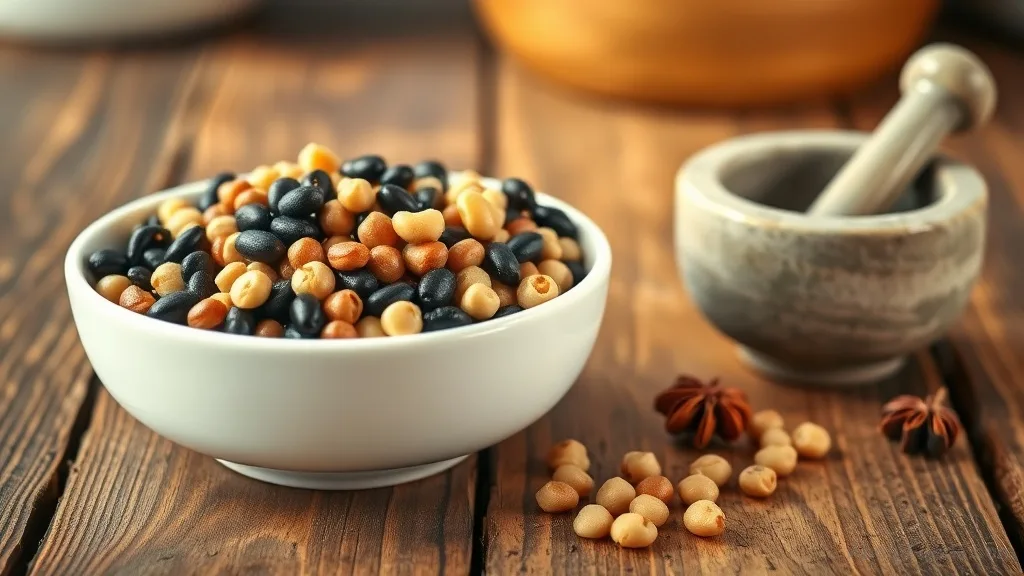
In my quiet kitchen, where the scent of star anise often lingers, I've learned that nourishment isn't about dramatic changes but consistent, gentle choices. Fiber is one of those humble nutrients that works quietly in the background—supporting digestion, helping you feel full longer, and contributing to overall wellness. Unlike trends that come and go, focusing on fiber-rich foods is a timeless practice, rooted in cultures worldwide, including my Vietnamese heritage where vegetables, legumes, and whole grains form the backbone of daily meals. This guide isn't about restrictive diets or complex rules; it's about identifying the most accessible, delicious foods that can easily become part of your routine.
Top Everyday High-Fiber Foods: A Practical Overview
When building a fiber-rich diet, think of ingredients that are easy to find, store well, and adapt to various dishes. Below is a table of some of the best everyday options, along with their approximate fiber content per common serving. Remember, variety is key—mixing different sources ensures you get both soluble and insoluble fiber, each with unique benefits.
How to Incorporate More Fiber Without Overcomplicating Meals
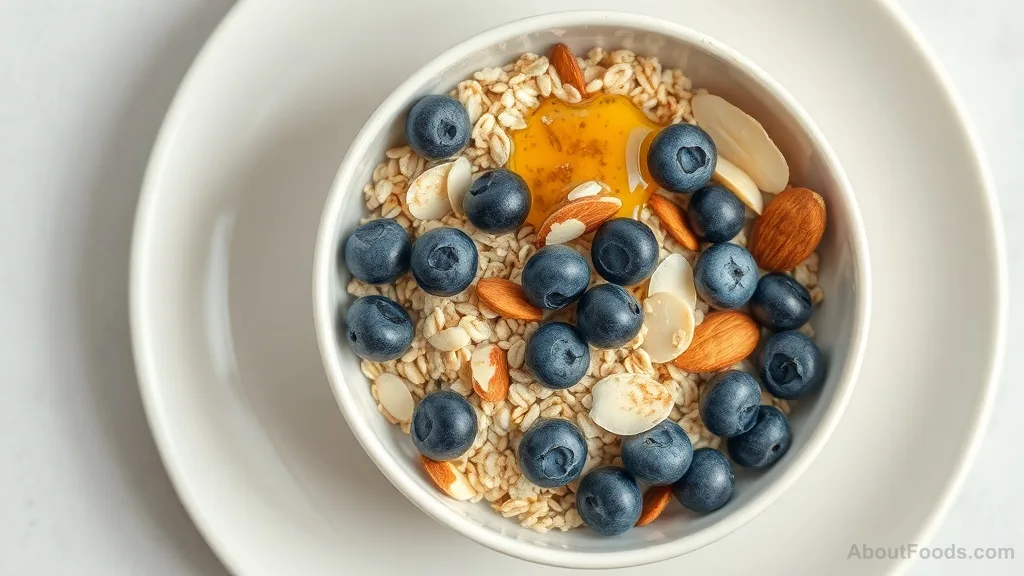
As someone who values simplicity and devotion in cooking, I've found that small, mindful additions make the biggest difference. You don't need to overhaul your entire diet overnight. Start by adding one fiber-rich element to each meal. For breakfast, stir a tablespoon of chia seeds into your yogurt or oatmeal. At lunch, include a handful of beans in your salad or wrap. For dinner, make half your plate vegetables like broccoli or Brussels sprouts. Snack on an apple with its skin or a small handful of nuts. These gentle shifts, practiced consistently, build a sustainable habit that feels nourishing rather than restrictive.
Common Mistakes When Increasing Fiber Intake
In my years of cooking and teaching, I've noticed that well-intentioned efforts can sometimes lead to discomfort if not approached gently. One common mistake is adding too much fiber too quickly, which can overwhelm your digestive system. Another is not drinking enough water—fiber needs adequate hydration to work effectively. Some people also focus only on supplements or processed 'high-fiber' foods, missing out on the whole-food benefits like vitamins and minerals. Lastly, neglecting variety might mean you're getting mostly one type of fiber. The key is to increase gradually, stay hydrated, prioritize whole foods, and mix your sources.
Simple, Fiber-Rich Recipe Ideas for Busy Days
You don't need elaborate recipes to enjoy high-fiber meals. Here are a few ideas that require minimal effort but deliver maximum nourishment, inspired by my love for straightforward, wholesome cooking.
Frequently Asked Questions About High-Fiber Foods
A Final Thought: Nourishment as a Gentle Practice
In the quiet rhythm of my kitchen, where I often grind star anise for pho broth, I'm reminded that good eating is not about perfection but presence. Adding more fiber to your diet is a gentle act of care—a way to honor your body with foods that sustain and satisfy. Start with one change, perhaps a bowl of oats in the morning or an extra vegetable at dinner, and let it grow naturally. May your meals be filled with both nourishment and peace, one fiber-rich bite at a time.
Rate this article
No ratings yet. Be the first to rate it.

Written by
Linh Nguyen
Specialises in Vietnamese cuisineLinh makes pho that takes 12 hours. She says the secret is charring the ginger and onion until they weep.
Describe yourself in three words: Quiet, devoted, smells of star anise.