Protein
Protein Power: Simple, Flavorful Ways to Boost Your Plate with High-Protein Foods
Discover effortless strategies to incorporate more protein-rich foods into your daily meals, drawing on traditional wisdom and modern kitchen hacks. From humble legumes to savory meats, learn how to make protein a delicious and satisfying part of every dish.
Why Protein Deserves a Place of Honor on Your Plate
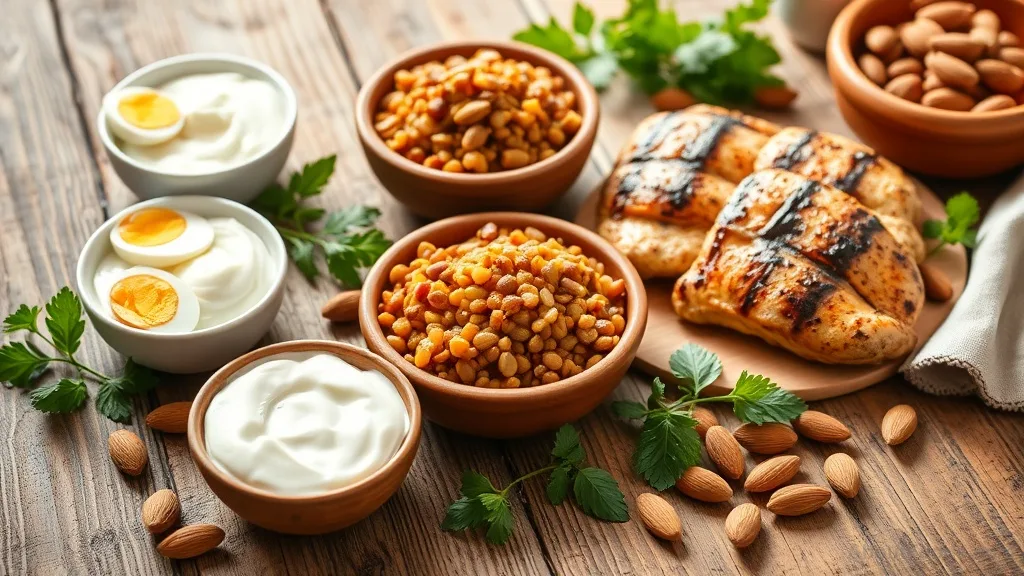
As someone raised with the rich, nourishing traditions of Turkish cuisine, I’ve always believed that food should both delight the senses and fortify the body. Protein, my friends, is the cornerstone of that philosophy. It’s not just for bodybuilders or fad diets—it’s the building block that keeps us strong, satisfied, and full of energy. In Turkey, we’ve long celebrated protein through dishes like hearty lentil soups, succulent kebabs, and creamy yogurt mezes. Let me share how you can effortlessly weave more of these powerhouse foods into your daily life, making every meal a celebration of vitality.
Start Your Day with a Protein Punch
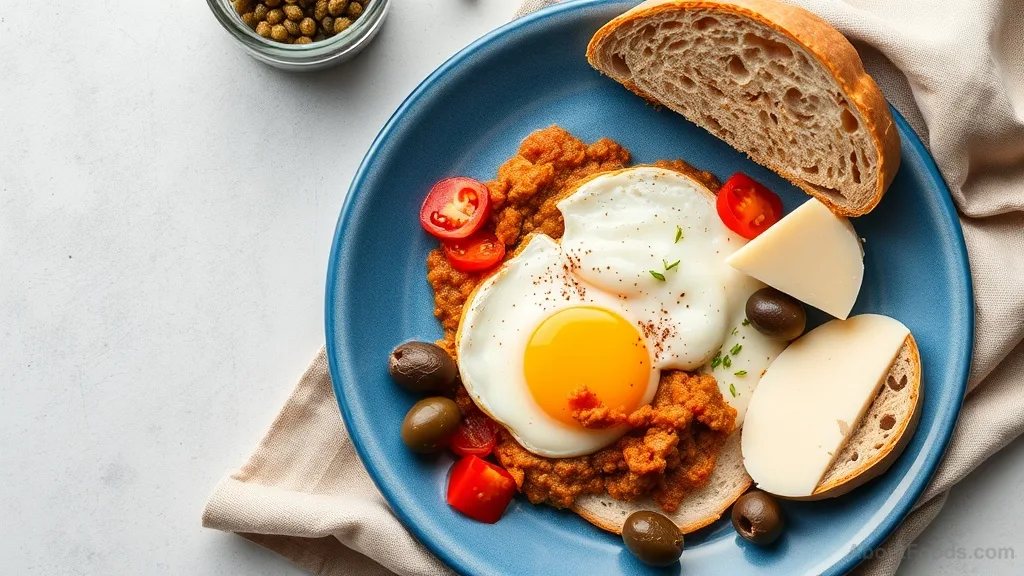
Breakfast sets the tone for the day, and in Turkish households, we never skip it. Instead of reaching for sugary cereals, opt for protein-rich beginnings. Think eggs scrambled with tomatoes and peppers (our beloved menemen), a bowl of Greek yogurt drizzled with honey and walnuts, or a slice of whole-grain bread topped with feta cheese. These choices keep hunger at bay and provide steady energy. A simple trick: add a spoonful of tahini or a handful of nuts to your morning oatmeal or smoothie for an extra boost.
- Scramble two eggs with spinach and a sprinkle of feta.
- Mix Greek yogurt with berries and a tablespoon of chia seeds.
- Spread almond butter on whole-grain toast and top with banana slices.
Plant-Based Protein: The Humble Heroes
Don’t underestimate the power of plants! In Turkish cuisine, legumes like lentils, chickpeas, and beans are stars, often simmered into stews or blended into dips. They’re affordable, versatile, and packed with protein and fiber. Try adding cooked lentils to salads, blending chickpeas into hummus for a snack, or tossing black beans into soups. For a quick fix, keep canned legumes (rinsed well) in your pantry. Remember, combining different plant proteins—like rice and beans—can provide a complete amino acid profile, just as our ancestors did instinctively.
| Food | Protein per 100g | Serving Idea |
|---|---|---|
| Lentils | 9g | Add to soups or make a lentil salad with lemon dressing |
| Chickpeas | 8g | Roast with spices for a crunchy snack or blend into hummus |
| Tofu | 8g | Stir-fry with vegetables and soy sauce |
| Quinoa | 4g | Use as a base for bowls or mix into patties |
Animal Protein: Savory and Satisfying
For those who enjoy meat and dairy, these sources offer concentrated protein with minimal effort. In Turkey, we prize lean cuts like chicken breast and fish, often grilled or baked with herbs. Don’t overlook dairy: yogurt, cheese, and kefir are staples that add creaminess and protein to meals. When selecting meats, opt for grilled or roasted preparations over fried ones to keep things healthy. A pro tip: batch-cook chicken or fish at the start of the week to add to salads, wraps, or grain bowls effortlessly.
Smart Snacking for Protein Boosts
Snacking doesn’t have to derail your protein goals. Choose options that satisfy and nourish. Keep hard-boiled eggs, cheese cubes, or a handful of almonds on hand for quick bites. In Turkey, we often snack on ayran (a yogurt-based drink) or simit (sesame bread) with cheese. Avoid processed snacks high in sugar; instead, pair protein with a bit of healthy fat or fiber to stay full longer. For example, apple slices with peanut butter or carrot sticks with hummus make excellent choices.
Common Mistakes and How to Avoid Them
Even with the best intentions, it’s easy to stumble. One common pitfall is relying too heavily on processed protein bars or shakes, which can be high in additives. Instead, focus on whole foods. Another mistake is neglecting variety—eating only chicken breast every day can get boring and miss out on other nutrients. Mix it up with fish, legumes, and dairy. Also, don’t forget to balance protein with vegetables and whole grains for a rounded meal. In Turkish cooking, we always pair protein with fresh salads or pilafs to create harmony on the plate.
- Avoid overly processed supplements
- choose natural sources.
- Rotate protein sources to prevent boredom and ensure nutrient diversity.
- Include vegetables and grains to complement protein and enhance digestion.
FAQs: Your Protein Questions Answered
How much protein do I need daily?
General guidelines suggest about 0.8 grams per kilogram of body weight for most adults, but needs vary based on activity level and goals. Focus on incorporating protein into each meal rather than counting grams obsessively.
Can I get enough protein on a plant-based diet?
Absolutely! Combine legumes, nuts, seeds, and whole grains to ensure a complete amino acid profile. Foods like lentils, chickpeas, and quinoa are excellent staples.
Are there quick ways to add protein to meals?
Yes—sprinkle nuts or seeds on salads, add a scoop of Greek yogurt to soups, or toss beans into pasta dishes. Small additions can significantly boost protein content.
Is it better to eat protein at certain times?
Distributing protein throughout the day can help maintain energy and muscle health. Aim to include some in breakfast, lunch, dinner, and snacks as needed.
Rate this article
No ratings yet. Be the first to rate it.

Written by
Zeynep Yilmaz
Specialises in Turkish cuisineZeynep makes baklava with pistachios from her hometown of Gaziantep. She will tell you the exact village.
Describe yourself in three words: Proud, nutty, regionalist.