Magnesium
14 Foods High in Magnesium to Add to Your Meals
Magnesium supports over 300 enzymatic reactions, including muscle function, energy production, and sleep quality. Here are the best food sources—from seeds to dark leafy greens—plus practical ways to enjoy them.

Why Magnesium Matters in Your Diet
Magnesium is a key mineral that helps your muscles relax, your nerves function, and your energy metabolism run smoothly. It also plays a role in bone health and blood pressure regulation. Yet many people fall short of the recommended daily intake—around 400–420 mg for men and 310–320 mg for women. The good news? Adding a few magnesium-rich foods to your meals can make a big difference.
Top Magnesium Food Sources at a Glance
The table below lists some of the best dietary sources of magnesium along with their approximate content per standard serving. Remember that exact amounts can vary based on preparation and variety.
Including a variety of these foods throughout your day can help you meet your magnesium needs without much effort.
Seeds: Small but Mighty
Pumpkin seeds are one of the most concentrated sources of magnesium. A single ounce contains about 168 mg—almost half the daily requirement for women. They also provide zinc and healthy fats. Enjoy them raw, roasted, or sprinkled over salads and oatmeal. Other seeds like sesame (tahini) and sunflower seeds also contribute meaningful amounts.
- Pumpkin seeds: Eat as a snack or add to granola.
- Sesame seeds: Use tahini in dressings and dips.
- Sunflower seeds: Toss into salads or trail mixes.
Nuts: A Handy Magnesium Boost
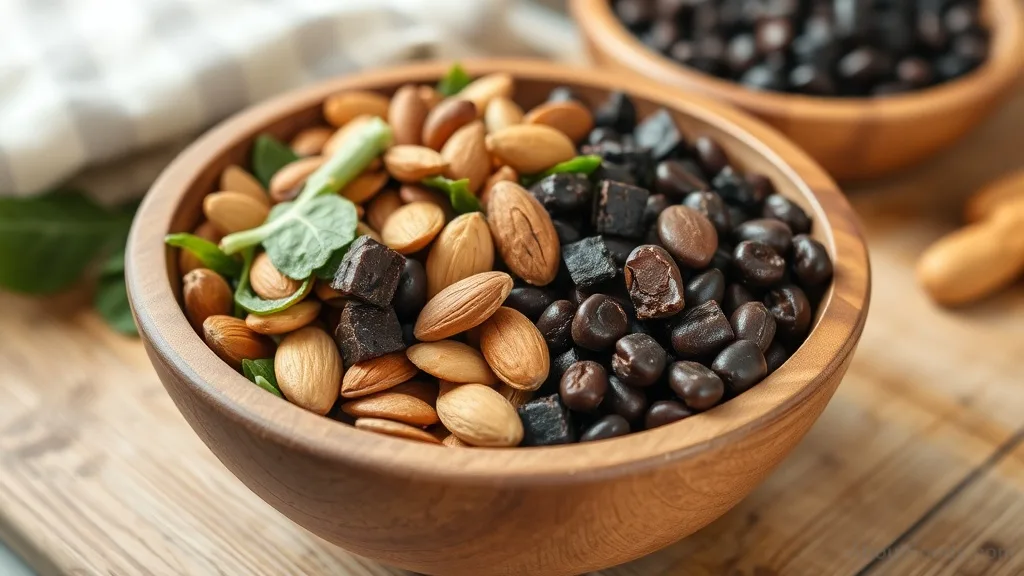
Almonds and cashews are excellent portable snacks that offer magnesium along with fiber and vitamin E. A quarter cup of almonds provides around 80 mg of magnesium. For variety, try Brazil nuts (though limit to a few per day due to selenium), or walnuts for omega-3s. Nut butters made from almonds or cashews are another easy way to add magnesium to toast, smoothies, or fruit slices.
Leafy Greens: Frequent Flyers
Dark leafy greens like spinach, Swiss chard, and kale are loaded with magnesium. A half cup of boiled spinach gives you 78 mg. Cooking reduces their volume, so you can eat more in one sitting. These greens are also rich in iron, calcium, and antioxidants. Sauté them with garlic and olive oil, or add them to soups, pastas, and omelets.
Legumes: Fiber-Packed Magnesium
Beans, lentils, and soy products like edamame and tofu are solid magnesium sources. Black beans contain 60 mg per half cup, and edamame provides about 50 mg. Legumes also deliver protein and fiber, making them a staple for plant-based meals. Toss them into salads, chili, or vegetarian wraps.
Whole Grains: Daily Foundation
Choosing whole grains over refined ones increases your magnesium intake significantly. A cup of cooked brown rice contains 42 mg, while quinoa offers 60 mg per cup. Buckwheat, millet, and whole wheat are also good options. Use them as a base for grain bowls, stir-fries, or side dishes.
Fish and Seafood: Omega-3 Bonus
Fatty fish like mackerel, salmon, and halibut are not only rich in omega-3 fatty acids but also provide magnesium. A 3-ounce serving of Atlantic mackerel has 82 mg. Canned fish like sardines (with bones) offer even more calcium. Aim for at least two servings of fatty fish per week for heart and brain benefits.
Other Surprising Sources
Dark chocolate (70-85% cacao) contains about 64 mg per ounce—and tastes like a treat. One medium avocado gives you 58 mg of magnesium plus healthy monounsaturated fats. Bananas, often known for potassium, offer 32 mg of magnesium each. And a medium baked potato (with skin) adds about 50 mg.
Tips for Maximizing Absorption
Magnesium absorption can be influenced by other nutrients and compounds. Vitamin D and vitamin B6 enhance absorption, while high doses of zinc or calcium may compete. Phytates in whole grains and oxalates in spinach can bind magnesium, reducing availability. To counter this, soak nuts and seeds, or cook foods like beans and spinach to lower antinutrient levels. Eating magnesium-rich foods as part of a balanced meal usually works well.
Frequently Asked Questions
Rate this article
No ratings yet. Be the first to rate it.

Written by
Ayu Santoso
Specialises in Indonesian cuisineAyu makes rendang that takes 6 hours and is worth every minute. She hums while stirring.
Describe yourself in three words: Calm, humming, smells of coconut.