Omega 3
Foods High in Omega 3: Smart Options to Add to Your Meals
From fatty fish to plant-based seeds, discover the best sources of omega-3 fatty acids and how to incorporate them into everyday dishes for heart and brain health.
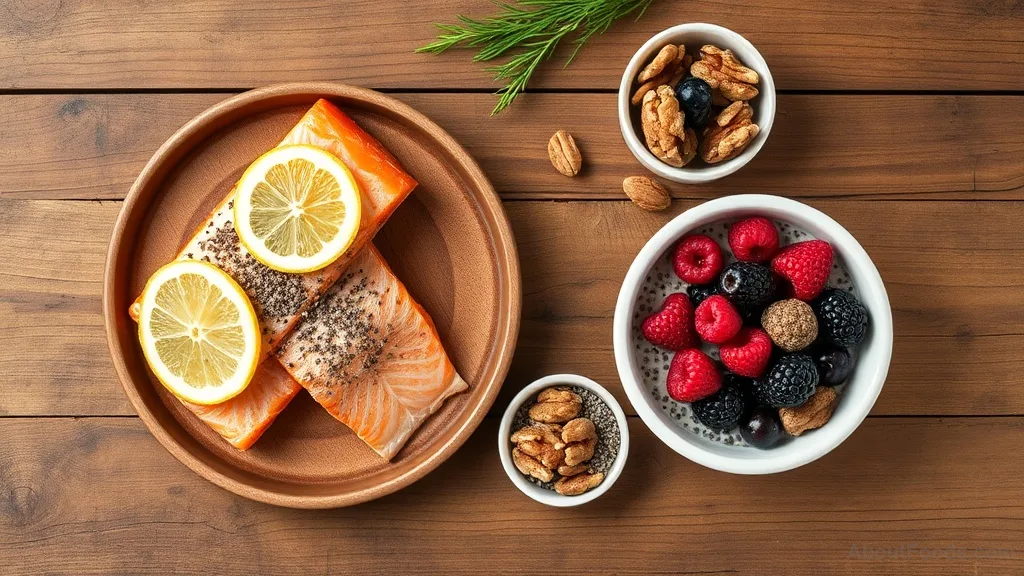
Why Omega-3s Matter
Whenever I think of omega-3s, I remember my Lola's kitchen. She'd always insist on a piece of oily fish at least twice a week, saying it was good for her joints and her memory. Turns out, she was spot on. Omega-3 fatty acids—specifically EPA, DHA, and ALA—are essential for heart health, brain function, and reducing inflammation. Since our bodies can't make them efficiently, we need to get them from food.
Top Animal-Based Sources
Fatty fish contain the most bioavailable forms of omega-3s: EPA and DHA. These are the superstars when it comes to supporting your heart and brain. My Lola loved making grilled mackerel with a tangy dipping sauce—simple, delicious, and packed with goodness.
Best Plant-Based Omega-3s
For those who prefer plant-based options, ALA is the omega-3 found in seeds, nuts, and some vegetables. Your body converts ALA to EPA and DHA, though not as efficiently. That's why it's good to include a variety of these foods regularly. Lola would sprinkle flaxseeds on her oatmeal, and she'd snack on walnuts while watching her afternoon telenovelas.
- Flaxseeds (ground): 2 tablespoons = ~3.2 g ALA
- Chia seeds: 2 tablespoons = ~3.5 g ALA
- Walnuts: 1/4 cup = ~2.5 g ALA
- Hemp seeds: 3 tablespoons = ~2.6 g ALA
- Edamame: 1/2 cup = ~0.4 g ALA
Tip: Always buy ground flaxseeds or grind them yourself—whole seeds pass through undigested. Chia seeds are more versatile; they can be used in puddings, smoothies, or even as an egg substitute.
Lesser-Known Sources
Beyond fish and seeds, there are other surprising foods that can boost your omega-3 intake. For instance, pasture-raised eggs have more omega-3s than conventional ones. And if you're adventurous, cod liver oil is a concentrated source—though Lola would rather drink her medicine in a spoonful of oil than eat liver!
- Pasture-raised eggs (especially if chickens are fed flaxseed): 1 egg = ~150 mg ALA
- Algal oil (from algae): 1 teaspoon = ~400 mg DHA
- Grass-fed beef: 3 oz = ~80 mg ALA
- Seaweed and nori: variable but good for EPA
Algal oil is a great choice for vegans—it's a direct source of DHA, like what you get from fish but from the original plant source.
How to Incorporate Omega-3s Daily
It's easier than you think. Here are practical ways to add these foods to your meals, just like Lola would've done—simple, no-fuss, and delicious.
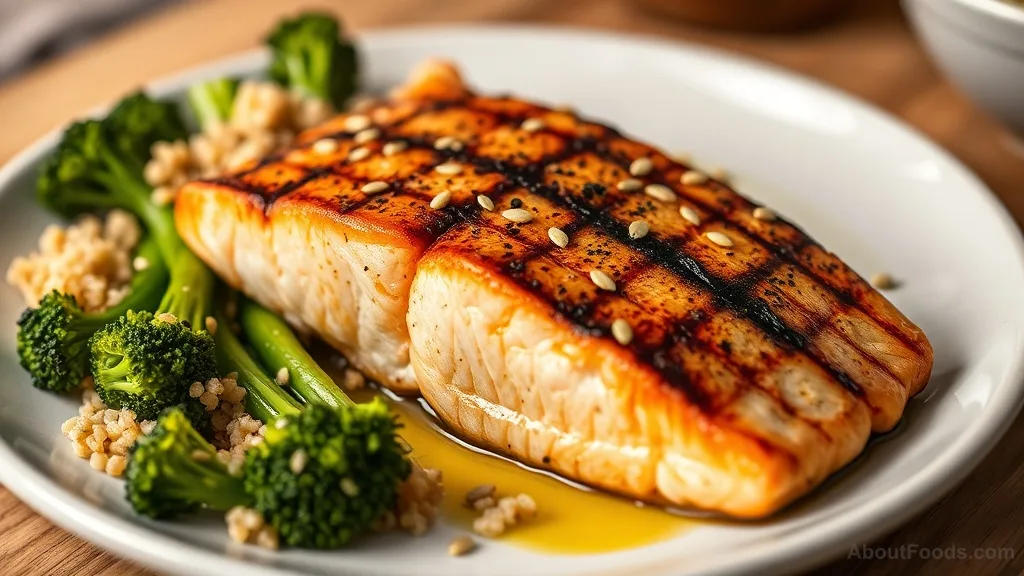
Lola always said breakfast is the most important meal, so starting your day with a chia seed pudding sets a good tone. For lunch, a can of sardines on toast is quick and packed with omega-3s. And for dinner, try baked salmon with a drizzle of tahini—a nod to our Filipino love for flavorful sauces.
Common Mistakes to Avoid
- Overcooking fish: High heat destroys delicate omega-3s. Bake
- poach
- or lightly grill.
- Buying pre-ground flaxseeds: They go rancid quickly. Grind them fresh or store in the fridge.
- Ignoring plant sources: Even if you eat fish
- seeds and nuts add variety and other nutrients.
- Relying only on supplements: Whole foods provide fiber
- protein
Quick Reference: Omega-3 Cheat Sheet
Frequently Asked Questions
How much omega-3 do I need per day?
There's no official daily recommendation, but health organizations suggest at least 250–500 mg combined EPA and DHA for most adults. For ALA, men need about 1.6 g and women 1.1 g per day.
Can I get enough omega-3 from plants alone?
Yes, by eating plenty of ALA-rich seeds, nuts, and plant oils, and including an algal DHA supplement. However, conversion of ALA to EPA/DHA is limited, so plant-based eaters may benefit from direct DHA sources.
Are omega-3 supplements as good as food sources?
Food sources provide additional nutrients like protein, fiber, and vitamins. Supplements can help if you have specific deficiencies, but whole foods are preferred for overall health.
What about cooking with omega-3 oils?
Flaxseed and chia oils are unstable at high heat. Use them in salad dressings or drizzled over cooked dishes. Canola and soybean oils have some ALA and can be used for cooking.
The Takeaway
Adding omega-3s to your diet doesn't have to be complicated. Whether it's a piece of grilled salmon for dinner or a sprinkle of chia seeds on your morning oatmeal, these small changes can make a big difference. As Lola would say, 'Take care of your body, and it will take care of you.' Start today, and your heart—and maybe even your memory—will thank you.
Rate this article
No ratings yet. Be the first to rate it.

Written by
Miguel Santos
Specialises in Filipino cuisineMiguel learned adobo from his Lola and added a twist: coconut milk AND cane vinegar. He is now considered a folk hero in Manila.
Describe yourself in three words: Proud, nostalgic, talks about his Lola a lot.