Potassium
Fire Up Your Meals: The Top Potassium-Rich Foods to Add More Spice and Punch
Want more potassium in your diet without choking down tasteless supplements? These potassium-packed foods bring serious flavor and versatility to your kitchen. From leafy greens to juicy fruits, I'll show you how to load up on this essential mineral with dishes that actually excite your taste buds.
Why Potassium? The Bold Spice of Life
Let me tell you – if your body were a kitchen, potassium would be the salt that makes everything pop. This mineral is the headliner of your electrolyte lineup, keeping your nerves zippy, your muscles responsive, and your blood pressure chill. But here's the twist: most people are walking around with barely enough potassium to keep a celery stick happy. The daily target? Around 4,700 milligrams. Many of us scrape by at half that. So, how do you pump up those numbers without resorting to tasteless supplements? Easy – bring on the real food. I'm talking ingredients that deliver potassium in scoops, along with flavor that makes your taste buds sit up and take notice. No boring supplements allowed. Let's get this spice train rolling.
The Power Players: Vegetables and Fruits
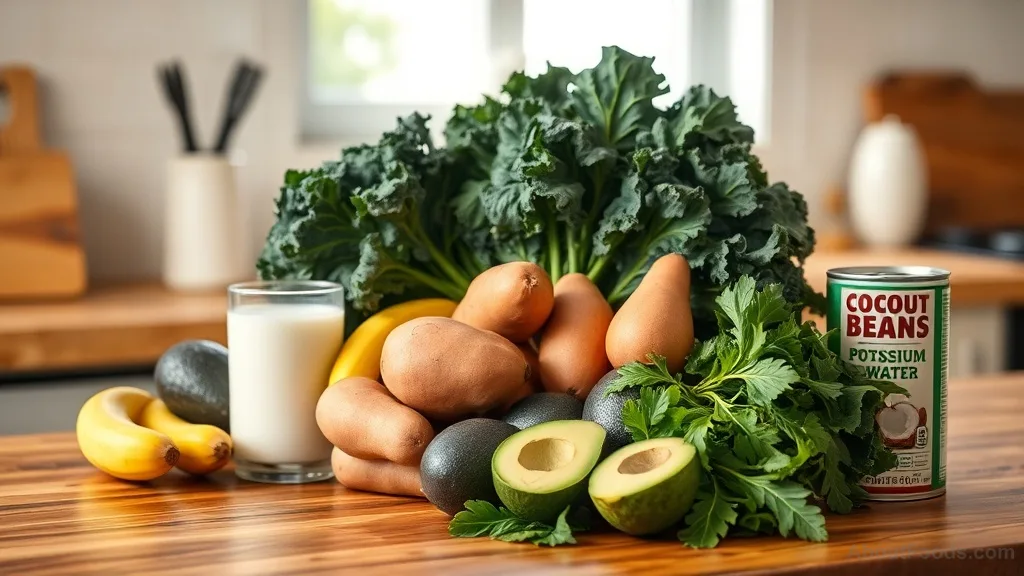
If potassium were a sports team, vegetables and fruits would be the star players. They're natural all-stars – low in fat, high in fiber, and absolutely loaded with minerals. But not all greens are equal. You've got heavy hitters like spinach (839 mg per cup cooked) and Swiss chard (961 mg cooked), and then there's avocado – no, it's not just Instagram bait – one medium fruit gives you nearly 1,000 mg of potassium and a silky, savory decadence that makes everything better. Meanwhile, sweet potatoes are the workhorses: one medium baked sweet potato delivers 542 mg of potassium plus beta-carotene and a natural sweetness that pairs with anything from chili to tacos. Fruits: bananas, kiwi, cantaloupe, and those juicy little vitamin bombs – dried apricots. Half a cup of dried apricots packs 755 mg and makes for a chewy, tangy snack that'll last you all afternoon.
- Baked sweet potato (1 medium): 542 mg
- Cooked spinach (1 cup): 839 mg
- Avocado (1 medium): 975 mg
- Banana (1 large): 487 mg
- Dried apricots (½ cup): 755 mg
See those numbers? Add a half avocado and a sweet potato to your lunch bowl, and you're already over a quarter of your daily requirement. That's what I call plating with purpose.
Protein that Pulls Its Weight
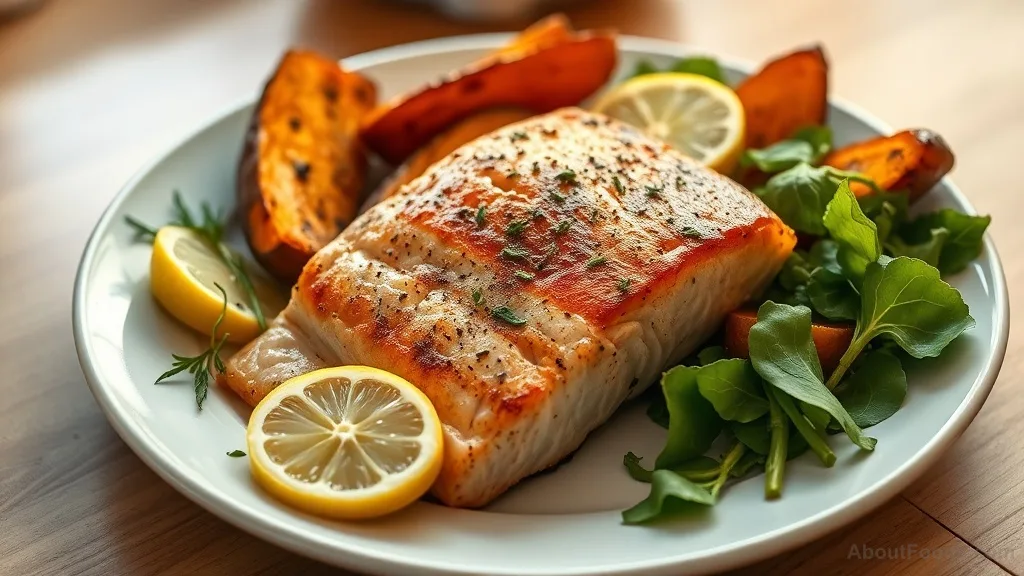
You might think animal protein is all about iron and B12 – but salmon, tuna, and white beans are quietly delivering potassium freight. A 6-ounce fillet of Atlantic salmon contains around 967 mg of potassium, and a can of cannellini beans clocks in at about 502 mg per half cup. Beans are cheap, versatile, and for the price of a pack of gum, you get a potent potassium punch. Pair them with greens, toss into a grain bowl, or simmer into a smoky stew – just don't let the convenience fool you: they're not a shortcut; they're a flavor foundation.
Hydration with a K-Punch
Okay, give me a second on the pee-break factor – I promise it's worth it. Coconut water is nature's sports drink. One cup gives you 404 mg of potassium without the neon colors or cryptic ingredients. Want a savory switch? V8 tomato juice delivers around 852 mg per cup and tastes like your grandma's Sunday minestrone. But keep an eye on sodium. Not all tomato juices are built equal – get unsalted if you can. Hot tip: For electrolyte blending, dilute your post-run hydration, and sneak a pinch of salt into your juice to keep those minerals dancing.
Common Pitfalls: Potass-OFFs to Avoid
Now I gotta tell you the bad news. You can do all this wonderful potassium-loading, but a few bad behaviors can send that potassium straight down the drain. Losing too much sodium is one thing – when you process heavily salted foods, potassium takes a hit. Overcooking greens? Splash them into water, then boil them past mushy? Yep – say goodbye to water-soluble potassium. Instead, steam or sauté spinach for no more than a few minutes. But perhaps the hidden villain: processed meats. They're convenient, yes, but loaded with preservatives that force your kidneys to flush potassium rather than retain it.
Quick Recap: Your K-High Diet Blueprint
Let me summarize like I'm wrapping a fresh bowl of lime-chili mango: easy swaps, massive impact. One avocado + one banana at breakfast crushes nearly a third of the potassium target. Swap your potato for a sweet potato lunch jacket. Ditch sugary juice for a glass of unsalted tomato juice. Eat one power salad today. This isn't just health paperwork; it's the most delicious path to energy, less puff, and electrical harmony for your cells. Don't forget – no bleach in my sink and no spice-shy portions. You got this.
Can you get too much potassium from food?
For healthy kidneys, food sources are extremely unlikely to cause harm; the bigger risk is low intake. If you have kidney issues, always consult your doctor.
What's a quick high-potassium snack?
Half an avocado sprinkled with chili flakes and lime – trust me.
Is there a potassium difference between raw and cooked spinach?
Yes. Cooked spinach concentrates potassium because you fit more leaves in a cup, but water-soluble losses from boiling are real – steam or sauté to retain more minerals.
Rate this article
No ratings yet. Be the first to rate it.

Written by
Jian Chen
Specialises in Chinese cuisineJian is a wok master from Sichuan. He sneaks doubanjiang into everything, including brownies. No one has stopped him.
Describe yourself in three words: Mischievous, bold, 'more spice' is his motto.