Magnesium
The Hidden Thread: Magnesium-Rich Foods to Weave into Your Weekly Rhythm
Discover the often-overlooked foods rich in magnesium, a mineral essential for energy, calm, and strong bones. Learn how to incorporate these delicious sources into your regular meals with simple, practical swaps and serving ideas. This guide helps you build a sustainable, nutrient-dense eating pattern without complexity.
The Whispered Mineral: Why Magnesium Matters in Silence
In the bustling market of nutrients that shout for attention—protein, vitamin C, omega-3s—magnesium often lingers in the shadows, a quiet guardian of your well-being. Yet, this mineral is a master of many ceremonies: it helps convert food into energy, supports muscle and nerve function, keeps your heartbeat steady, and builds strong bones. Without enough, you might feel fatigued, irritable, or experience muscle cramps, though it rarely announces itself with fanfare. In the tapestry of health, magnesium is the subtle thread that holds everything together, and it’s one many of us overlook. The good news? It’s hidden in plain sight, woven into foods you might already enjoy or could easily welcome into your kitchen.
Leafy Greens: The Verdant Veil of Magnesium
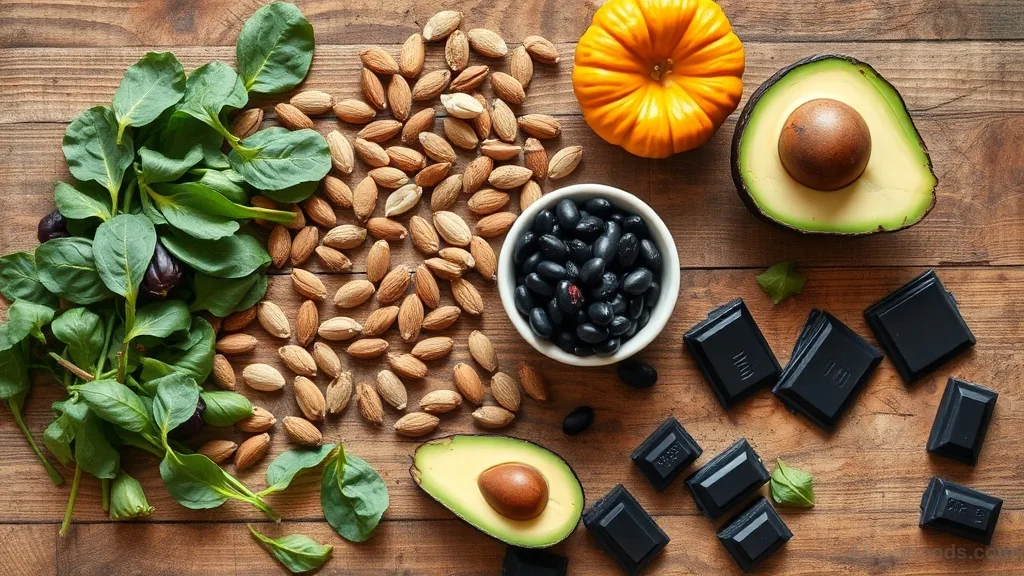
Dark, leafy greens are among the most potent sources of magnesium, and they carry it like a secret in their chlorophyll-rich cells. Spinach leads the pack—one cup of cooked spinach provides about 157 mg of magnesium, which is over a third of the daily recommended intake for many adults. But don’t stop there: Swiss chard, kale, and collard greens are also excellent choices. These greens are versatile: wilt them into soups, blend them into smoothies (where their flavor hides well), or sauté them with garlic for a quick side. A common mistake is overcooking, which can diminish nutrients; aim for light steaming or quick wilting to preserve their magnesium content. Think of them as a daily whisper of nourishment, easily added to omelets, pasta dishes, or as a bed for proteins.
Seeds and Nuts: Tiny Treasures with Mighty Power
In the world of snacks, seeds and nuts are the unsung heroes of magnesium. Pumpkin seeds are a standout—just one ounce (about a handful) offers around 150 mg of magnesium. Almonds, cashews, and Brazil nuts follow closely, each bringing their own unique flavors and textures. These aren’t just for munching; they can transform your meals. Sprinkle pumpkin seeds on salads or yogurt, blend almonds into creamy sauces, or use cashews as a base for dairy-free cheeses. Keep them raw or lightly toasted to maximize nutrient retention. A pro tip: soak nuts overnight to improve digestibility and unlock more minerals. Store them in a cool, dark place to prevent rancidity, and let them be your go-to for a quick magnesium boost.
Legumes and Whole Grains: The Hearty Backbone
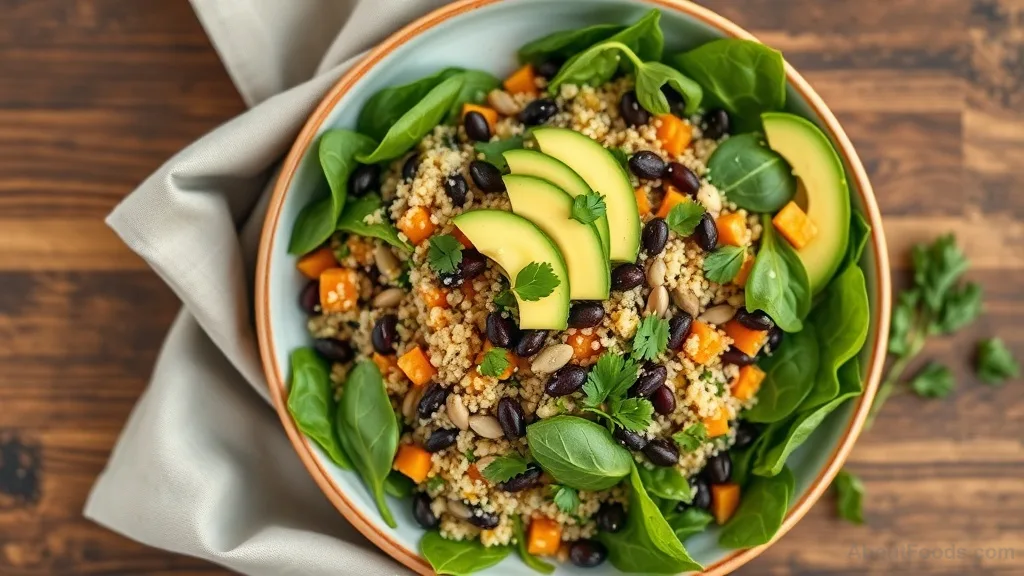
Beans and whole grains provide magnesium in a hearty, satisfying package, perfect for building meals that stick with you. Black beans, for instance, deliver about 120 mg per cup cooked, while edamame and lentils are also rich sources. On the grain side, quinoa is a superstar, offering 118 mg per cup cooked, and it’s a complete protein to boot. Brown rice, oats, and whole wheat products contribute too. Incorporate these into your weekly rotation by making big batches of beans for tacos or soups, using quinoa as a rice substitute, or starting your day with oatmeal topped with nuts. Avoid the pitfall of relying solely on refined grains, which lose much of their magnesium during processing. Instead, let legumes and whole grains be the foundation of your plate, offering both substance and stealthy nutrition.
Unexpected Delights: Avocado, Dark Chocolate, and Bananas
Magnesium hides in some of life’s simple pleasures, making it easy to indulge wisely. Avocado, creamy and rich, provides about 58 mg per medium fruit—add it to toast, salads, or smoothies for a dose of healthy fats and minerals. Dark chocolate (with at least 70% cocoa) is a delightful source, with around 64 mg per ounce; enjoy a square as an afternoon treat or melt it into oatmeal. Bananas, often praised for potassium, also contain magnesium (about 32 mg per medium banana), perfect for pre-workout snacks or natural sweetness in baking. These foods remind us that nutrition doesn’t have to be austere; it can be delicious and integrated into moments of joy. Pair them with other magnesium-rich items, like almond butter on banana slices, to amplify the benefits.
Building Your Weekly Rotation: Practical Magic in the Kitchen
To weave magnesium into your life seamlessly, think in terms of swaps and additions rather than overhauls. Start by identifying one meal a day where you can introduce a magnesium-rich food—maybe add spinach to your morning eggs or swap white rice for quinoa at dinner. Keep a jar of mixed nuts and seeds on your counter for sprinkling, and experiment with one new recipe per week, like a black bean soup or a seed-based granola. Remember, variety is key; rotating different sources ensures you get a broad spectrum of nutrients and keeps meals interesting. Avoid the trap of assuming supplements are necessary; whole foods offer magnesium in a balanced matrix with other beneficial compounds. Let your kitchen become a place of quiet abundance, where every bite carries a hint of this essential mineral.
Common Questions, Uncovered
How much magnesium do I need daily?
Recommendations vary by age and gender, but generally, adult women need about 310-320 mg per day, and adult men need 400-420 mg per day. Always consult with a healthcare provider for personalized advice, as needs can differ based on health status and lifestyle.
Can I get enough magnesium from food alone?
Yes, most people can meet their magnesium needs through a varied diet rich in the foods listed here. Focus on including leafy greens, nuts, seeds, legumes, and whole grains regularly. Supplements are usually unnecessary unless advised by a professional.
Does cooking destroy magnesium in foods?
Some loss can occur, especially with prolonged boiling or high heat. To minimize this, use methods like steaming, sautéing quickly, or eating raw when appropriate (e.g., in salads or smoothies). Cooking in minimal water and using the cooking liquid in soups or sauces can help retain minerals.
Are there signs I might be low in magnesium?
Common signs include fatigue, muscle cramps, irritability, and irregular heartbeat. However, these symptoms can overlap with other issues, so it’s best to focus on a nutrient-dense diet and discuss concerns with a healthcare provider rather than self-diagnosing.
What are easy ways to add more magnesium if I’m busy?
Keep pre-washed spinach for quick additions to meals, snack on a trail mix of nuts and seeds, use canned beans (rinsed) for fast prep, and opt for whole-grain bread or pasta. Small, consistent changes add up over time.
Rate this article
No ratings yet. Be the first to rate it.

Written by
Thiri Tun
Specialises in Burmese cuisineThiri is a tea leaf salad master who ferments her own tea leaves in a clay pot. She will not tell you the recipe.
Describe yourself in three words: Mysterious, secretive, delicious.