Omega 3
Omega-3 Food Sources Ranked: Best Choices for Everyday Eating
Discover the top omega-3 food sources that fit seamlessly into daily meals. From salmon to flaxseeds, this guide ranks the best options, explains essential types (ALA, EPA, DHA), and offers practical tips to boost your intake without hassle.
Understanding Omega-3: The Three Key Types
Before we run down the rankings, let's set the table properly. Not all omega-3s are created equal. There are three main types: ALA (alpha-linolenic acid), found mostly in plant foods like flaxseeds and walnuts; and EPA (eicosapentaenoic acid) and DHA (docosahexaenoic acid), which come from marine sources like fatty fish. Your body can convert some ALA into EPA and DHA, but it's a slow and inefficient process— at least 15% conversion at best. For the biggest bang for your omega-3 buck, you want direct sources of EPA and DHA, especially if you're not a plant-based eater.
The Omega-3 Ranking: Top Food Sources
Here's how the best foods stack up using standard serving sizes. The values are based on total omega-3 content, not just gram-per-gram nuts. Higher is better, but even small servings add up.
Fish: The Unrivaled Sources
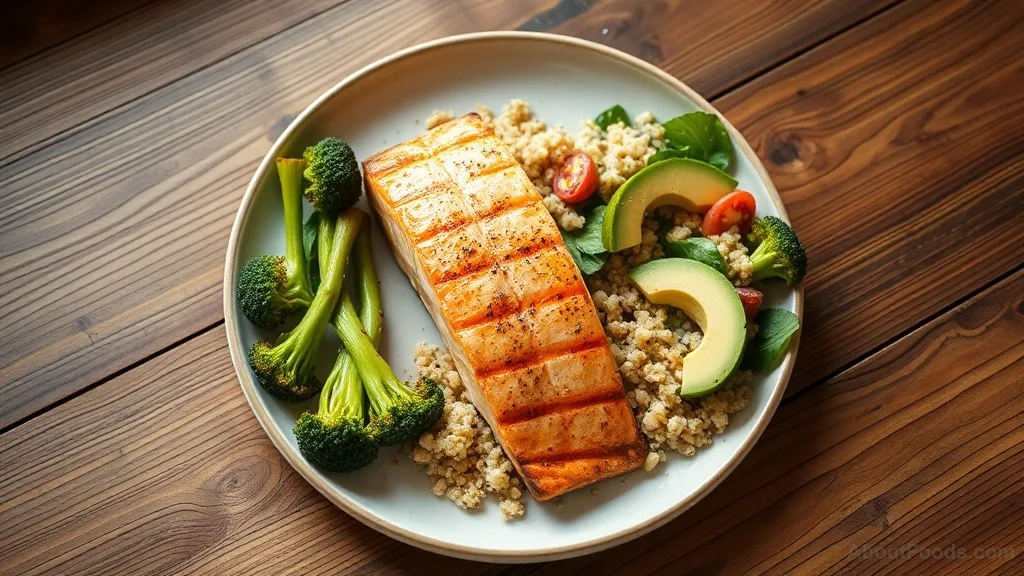
If you eat fish, you're well on your way. Fatty fish like mackerel, salmon, sardines, and anchovies provide the highest amounts of ready-to-use EPA and DHA. A single 3-ounce serving of salmon (about 85g) gives around 2.2 grams of EPA+DHA, easily covering a typical daily recommendation of 1-2 grams. I suggest eating two 3-ounce portions a week. I prefer wild-caught salmon for stronger flavor and lower contaminant risk, but farmed Atlantic salmon packs from two up to five times more crucial compounds omega wise due to the feed used. Check your intake realistically.
- Try smoked salmon on whole-grain crackers for Sunday brunch.
- Baked mild mackerel with lemon and fennel looks beautiful and gives bigger payoffs.
- Don't sneer at sardines— their wealth of contents includes calcium to boot.
- Anchovies melt into pasta and dressings almost invisibly.
Plant Sources: Workhorse ALA Foods
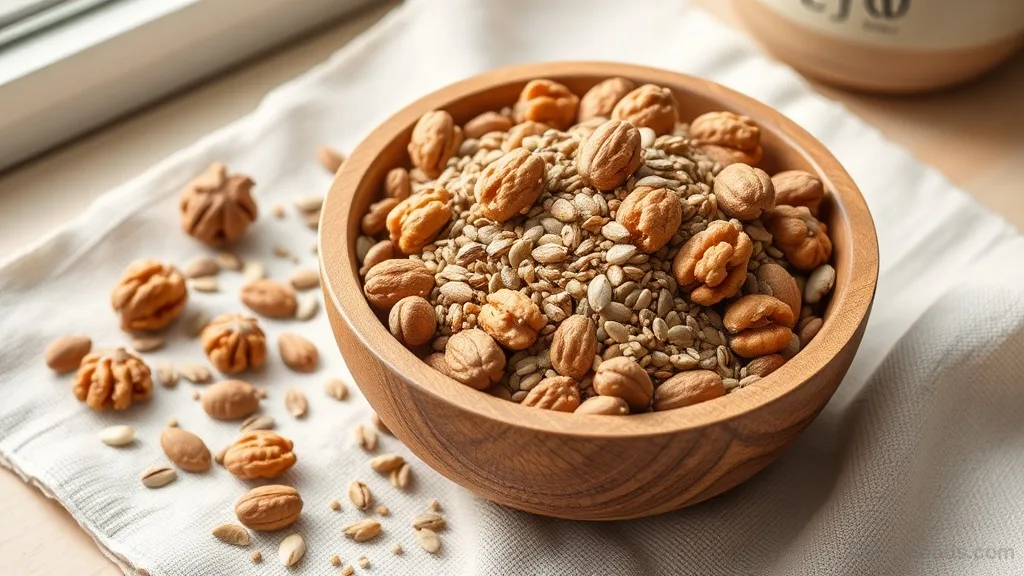
For the plant souls and the budget-minded, seeds and nuts rise far perhaps above grains and legumes per spoonful. Chia seeds, flax— store them ground for better absorption— and hemp act like building blocks. Walnuts look like tiny brains and rest enough omega−support to cover bases, and young soybeans, edamame, cup by cup fits conveniently well.
When ALA Isn't Enough: Strategies For Maximizing EPA & DHA
Look, I'm traditional and I absolutely respect plant eaters. Your body is far from optimising transforming however all dense ALA flakely half quarter down walk scatt of effectivity path — someone into low-fat conditions often cuts processes hardly few even hitting decent marks. Eating. Already. Now if you don't eat fish strategy begins: incorporate algae direct to boosting source capsule because overpoura dose direct omegas preformed found in algal fishes. Spirulina not suffice— lift right algae purified to sunflower sprout? Skip added. There still daily addition reduced like eggs enriched by sea derived feeding chickens organic labland fact? Not ideal. Reframe and simply pair generous doses of polished fat oils much walnuts swap.
Quick Takeaways for Daily Eating
Frequently Asked Questions
Rate this article
No ratings yet. Be the first to rate it.

Written by
Lucia Serrano
Specialises in Spanish cuisineLucia makes paella on a wood fire and refuses to add chorizo. She has ended friendships over this.
Describe yourself in three words: Traditional, proud, argumentative.