Calcium
Plant and Animal Foods High in Calcium: What to Choose
Not all calcium sources are created equal. This guide breaks down the best plant and animal foods for calcium, how to maximize absorption, and practical tips to hit your daily needs without supplements.
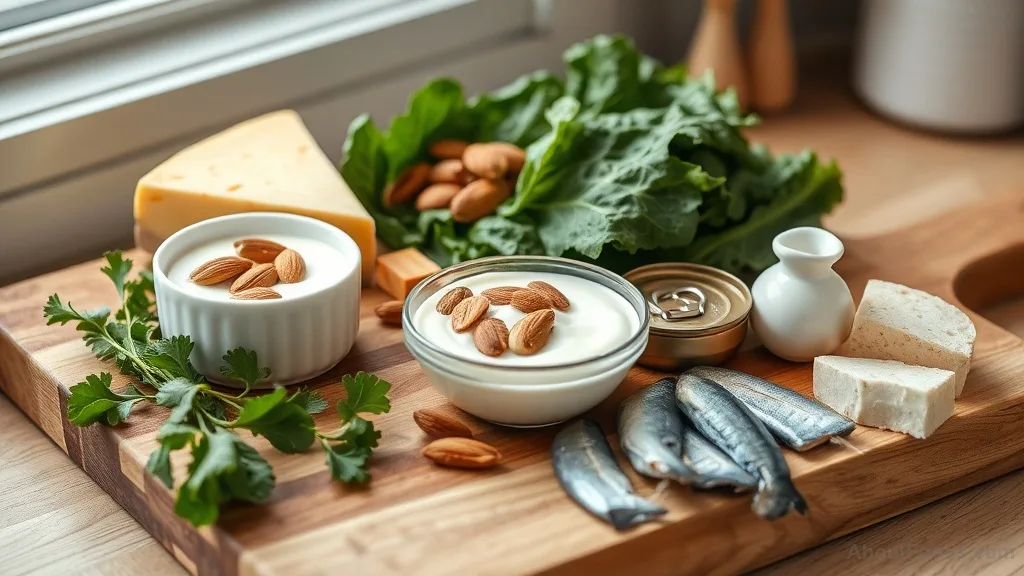
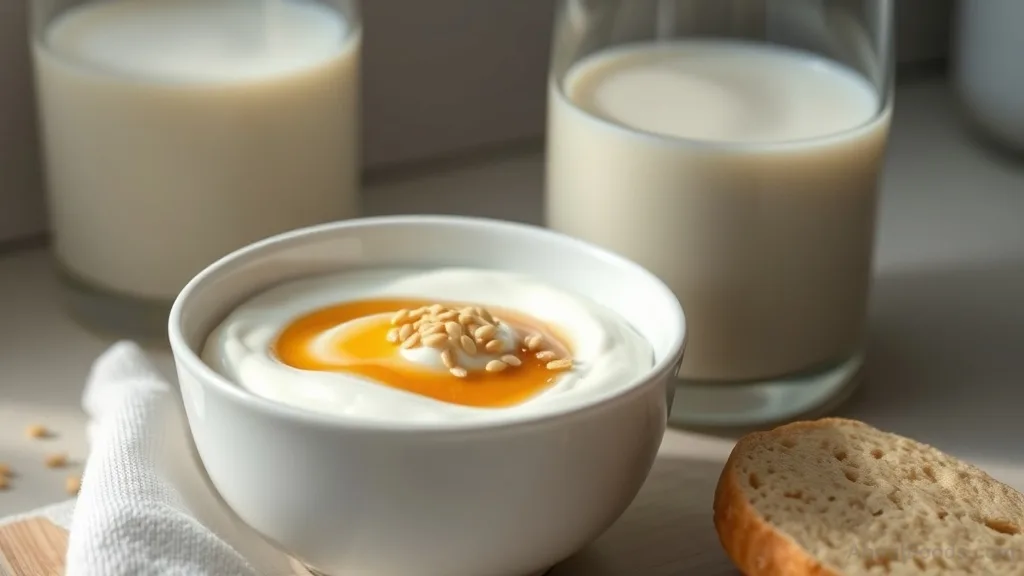
Why Calcium Matters (and Why You Don’t Need to Chug Milk)
Calcium is the most abundant mineral in the human body. It builds bones and teeth, keeps your heart beating, and helps your muscles contract. The conventional wisdom says milk is king, but that’s only part of the story. Whether you’re dairy-free, lactose intolerant, or just want variety, the world of calcium-rich foods is bigger than a cheese platter.
The recommended daily intake hovers around 1,000 mg for most adults (a bit more for women over 50 and teens). And no, you don’t need to micromanage every milligram. A couple of thoughtful meals can cover you. Let’s look at real food sources—both plant and animal—and which ones truly deliver.
Top Animal-Based Calcium Sources
A few specific callouts: Sardines might be an acquired taste, but don’t knock ’em till you try ’em mashed into a spread with lemon and chile. The bones are soft and packed with calcium. If dairy is your friend, a little Parmesan grated over pasta or a morning yogurt bowl can go a long way.
Top Plant-Based Calcium Sources
One trick: If you’re buying tofu, check the ingredients for “calcium sulfate.” Not all tofu is created equal here. For greens, go for collards, kale, and bok choy. Spinach has calcium, but it’s partly bound to oxalates, reducing absorption. Still good, but don’t rely on it as your main source.
How to Boost Calcium Absorption
Calcium doesn’t work in isolation. First, you need vitamin D—it’s the key that unlocks calcium absorption. Sunshine, fatty fish, egg yolks, and fortified foods help. Second, avoid pairing high-calcium meals with large amounts of unsoaked oats, whole wheat bran, or spinach—their phytates and oxalates can bind to calcium and reduce absorption.
- Pair calcium foods with vitamin C to increase absorption: a squeeze of lemon on kale
- or bell pepper slices with hummus.
- Space calcium intake across the day—your body absorbs smaller doses (under 500 mg) more efficiently.
- Avoid dumping large calcium supplements on top of a calcium-heavy meal
- it can overload the absorption system.
Co-factors like magnesium (from greens, nuts, seeds) and vitamin K2 (from fermented foods, cheese, eggs) help direct calcium to your bones. It’s teamwork.
Cheat Sheet: Quick-Fix Meals for Calcium
These dishes hit around 300-500 mg each. Put two together and you’re golden. No need to obsess—a handful of almonds and a cup of collards already put a dent in your day.
FAQ
The Bottom Line
You don’t need to drink gallons of milk to keep your skeleton happy. A so-called “balanced diet” with a few intentional choices—a handful of almonds here, a serving of cooked greens there—covers it. Mix up your plates between sea and land, dairy and plant, and you’ll get what you need. Sí, se puede.
Rate this article
No ratings yet. Be the first to rate it.

Written by
Diego Garcia
Specialises in Mexican cuisineDiego is a taquero who uses a secret salsa roja that involves dried chiles he grows himself. He is a local legend.
Describe yourself in three words: Mysterious, proud, spicy.