Iron
Plant and Animal Foods High in Iron: What to Choose
Iron is essential for energy and blood health, and it comes in different forms. Here’s a guide to the best animal and plant sources, with tips on absorption and practical ways to add them to your meals.
Why Iron Matters in Your Diet
Iron is a trace mineral that plays a critical role in carrying oxygen through your blood. Without enough iron, you may feel tired, weak, or short of breath. But not all iron is created equal. In food, you'll find two types: heme iron from animal products and non-heme iron from plants. The body absorbs heme iron more easily, but plants can still provide plenty of iron when you know how to pair them.
Top Animal Sources of Heme Iron
Heme iron is found only in animal flesh like meat, poultry, and seafood. Your body absorbs it at a much higher rate than non-heme iron – roughly 25 to 30 percent. Here are the best options:.
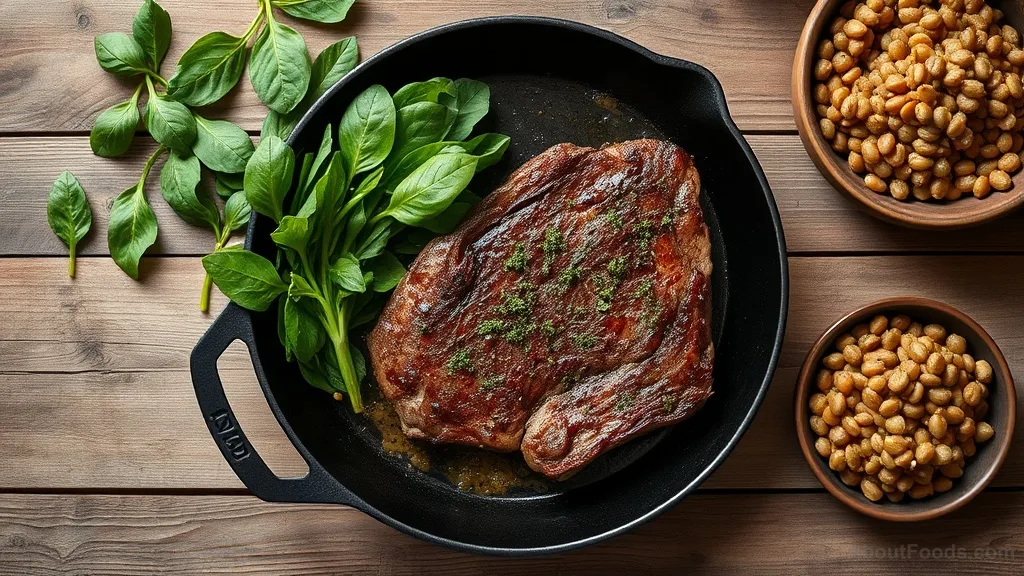
If you eat meat, beef liver is a powerhouse – but its strong taste isn't for everyone. Chicken liver is milder and works well in pâtés or sautéed with onions. Oysters are another fantastic source; a serving delivers more iron than a typical steak. Simply add a squeeze of lemon before eating for a hit of vitamin C.
Best Plant Sources of Non-Heme Iron
Non-heme iron from plants has a lower absorption rate (about 2 to 20 percent), but many vegetables, legumes, and grains are still rich in it. The key is to eat them with vitamin C to boost absorption. Here are top plant-based picks:.
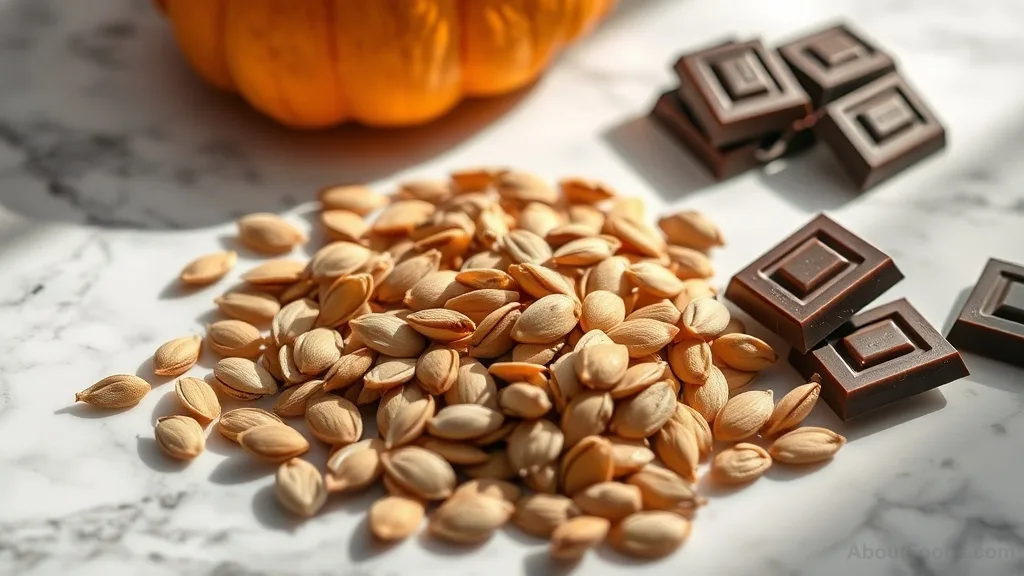
Lentils and spinach cooked down are heavy hitters. Add them to soups, stews, or curries. Tofu is perfect for stir-fries; its firmer textures hold up better. Meanwhile, pumpkin seeds are an easy snack. A spoonful of blackstrap molasses stirred into oatmeal or coffee adds sweetness and a big iron boost.
How to Boost Non-Heme Iron Absorption
- Pair iron-rich plants with vitamin C: squeeze lemon over sautéed spinach
- add bell peppers to lentil salads
- or drink a small glass of orange juice with a bean burrito.
- Avoid drinking tea or coffee with your iron-rich meal
- tannins inhibit absorption. Wait 1–2 hours before or after.
- Cook in a cast-iron skillet
- especially with acidic foods like tomatoes
- this can add iron to your dishes.
A common mistake is skipping the acid boost. For example, a spinach salad with sliced strawberries and a vinaigrette will give you much more usable iron than a bare handful of leaves. Small swaps can double your iron uptake.
Iron Supplements: When and Why
Food should always come first, but some people need supplements – you've probably seen iron pills at the pharmacy. Pregnant women, heavy menstruators, and those with malabsorption issues are most at risk for deficiency. However, iron supplements can cause constipation or nausea. Always speak with a doctor before starting, as too much iron can be toxic. The recommended daily intake for adults is 18 mg per day (for women up to 18 years, lower for men older). Check labels and never exceed the upper limit of 45 mg unless directly supervised.
Practical Meal Ideas for Iron
- Breakfast: Oatmeal with blackstrap molasses and pumpkin seeds
- plus a clementine on the side.
- Lunch: Quinoa salad with chickpeas
- bell peppers
- lemon dressing
- and chopped spinach.
- Dinner: Stir-fried firm tofu with broccoli and a splash of soy sauce
- cooked in a cast-iron pan.
The variety of iron-rich foods means you can design meals that work for any preference. Even small changes add up over time, so start by adding just one high-iron food to your daily routine.
Frequently Asked Questions About Iron in Food
Rate this article
No ratings yet. Be the first to rate it.

Written by
Diego Garcia
Specialises in Mexican cuisineDiego is a taquero who uses a secret salsa roja that involves dried chiles he grows himself. He is a local legend.
Describe yourself in three words: Mysterious, proud, spicy.