Protein
Plant and Animal Foods High in Protein: What to Choose
A practical guide to the best protein sources from both plants and animals, with serving ideas and tips to help you meet your daily needs.
Why Protein Matters
Protein is a key building block for muscles, bones, enzymes, and hormones. Whether you're an athlete, a busy parent, or someone looking to maintain a healthy weight, getting enough protein in your diet is essential. The good news is that protein is abundant in both plant and animal foods. But with so many options, which should you choose? Let's break down the best sources from both kingdoms.
Animal Protein: Complete and Concentrated
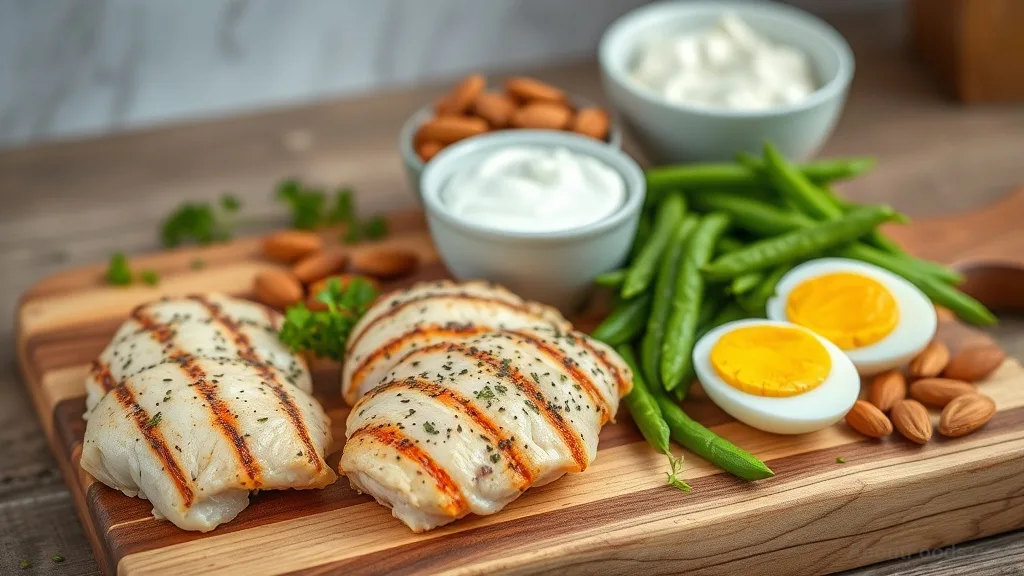
Animal proteins are considered complete because they provide all nine essential amino acids your body can't make on its own. They're also highly bioavailable, meaning your body can absorb and use them efficiently. Here are some top choices.
| Food | Serving Size | Protein (grams) |
|---|---|---|
| Chicken breast (skinless, cooked) | 3 oz (85 g) | 26 |
| Eggs (whole, cooked) | 2 large (50 g each) | 12 |
| Greek yogurt (plain, nonfat) | 6 oz (170 g) | 18 |
| Cottage cheese (low-fat) | 1/2 cup (113 g) | 14 |
| Salmon (cooked) | 3 oz (85 g) | 22 |
| Turkey breast (cooked) | 3 oz (85 g) | 26 |
Chicken breast is a lean, versatile staple. Eggs are a budget-friendly powerhouse, with protein in both the white and yolk. Greek yogurt and cottage cheese are excellent for breakfast or snacks, and salmon brings healthy omega-3s along with its protein. For red meat lovers, lean cuts of beef and pork also deliver substantial protein.
Plant Protein: Fiber-Rich and Phytonutrient-Dense
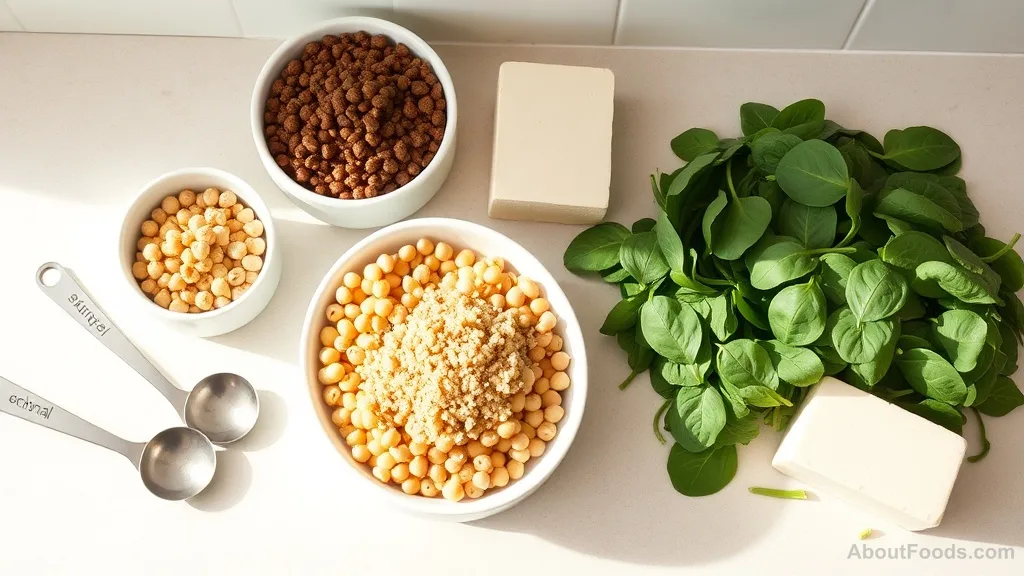
Plant proteins may be incomplete individually, but they bring fiber, antioxidants, and other phytonutrients that animal foods lack. By eating a variety, you can easily get all essential amino acids. Here are some top plant sources.
- Lentils: 18 g protein per cup (cooked). Great in soups
- salads
- or stews.
- Chickpeas: 15 g per cup (cooked). Use in curries
- hummus
- or roasted snacks.
- Tofu: 10 g per 3 oz serving (firm). Marinate and stir-fry
- or blend into smoothies.
Legumes like lentils and chickpeas are affordable and cook quickly. Tofu and tempeh are soy-based and versatile. Quinoa is a rare complete plant protein, and nuts provide healthy fats too. Combining grains with legumes (like rice and beans) creates a complete protein profile.
Comparing Animal vs. Plant Protein
| Factor | Animal Protein | Plant Protein |
|---|---|---|
| Amino acid profile | Complete | Incomplete (except soy, quinoa) |
| Bioavailability | High | Moderate (improves with cooking) |
| Fiber | None | High |
| Saturated fat | Often higher | Low |
| Environmental impact | Higher | Lower |
Animal proteins are more efficient per bite, but plant proteins come with extra benefits like fiber and less saturated fat. A balanced diet can include both. If you're vegetarian or vegan, pay attention to variety and consider combining complementary proteins (e.g., beans + rice) to cover all amino acids.
How Much Protein Do You Need?
The Recommended Dietary Allowance (RDA) is 0.8 grams per kilogram of body weight (g/kg) for sedentary adults. For example, a 150 lb (68 kg) person needs about 55 grams per day. Athletes, older adults, and pregnant women may need more (1.2–2.0 g/kg). Spread protein across meals to maximize muscle synthesis.
A common mistake is thinking you must eat large amounts at once. Even 20–30 grams per meal is effective for most people. Use the table above to plan meals that hit that target.
Practical Tips for Including Protein in Every Meal
- Start your day with eggs
- Greek yogurt
- or a tofu scramble.
- Add lentils or chickpeas to soups
- salads
- and pasta sauces.
- Snack on edamame
- nuts
Common Myths About Protein
Do you need to eat animal protein to build muscle?
No, plant proteins can support muscle growth if you consume enough total protein and a variety of sources. Many athletes thrive on plant-based diets.
Is high-protein diet bad for kidneys?
For healthy individuals, high protein intake is safe. Those with kidney disease should consult a doctor.
Can you get enough protein from plants?
Absolutely. With planning, plant-based diets can meet all protein needs. Foods like lentils, tofu, quinoa, and tempeh are excellent choices.
Final Verdict: What to Choose?
The best protein sources are the ones you'll actually eat consistently. Both plant and animal foods can fit into a healthy diet. If you eat animal products, include eggs, Greek yogurt, and lean meats. If you're plant-based, focus on legumes, soy, and whole grains. Mix and match to keep meals interesting. Remember, variety is the key to getting all the nutrients your body needs.
Rate this article
No ratings yet. Be the first to rate it.

Written by
Anaya Iyer
Specialises in Indian cuisineAnaya Iyer (not Patel or Sharma) makes dosas so crisp they shatter like glass. She is a fermentation nerd.
Describe yourself in three words: Crispy, nerdy, sourdoh.