Vitamin C
Plant and Animal Foods High in Vitamin C: What to Choose
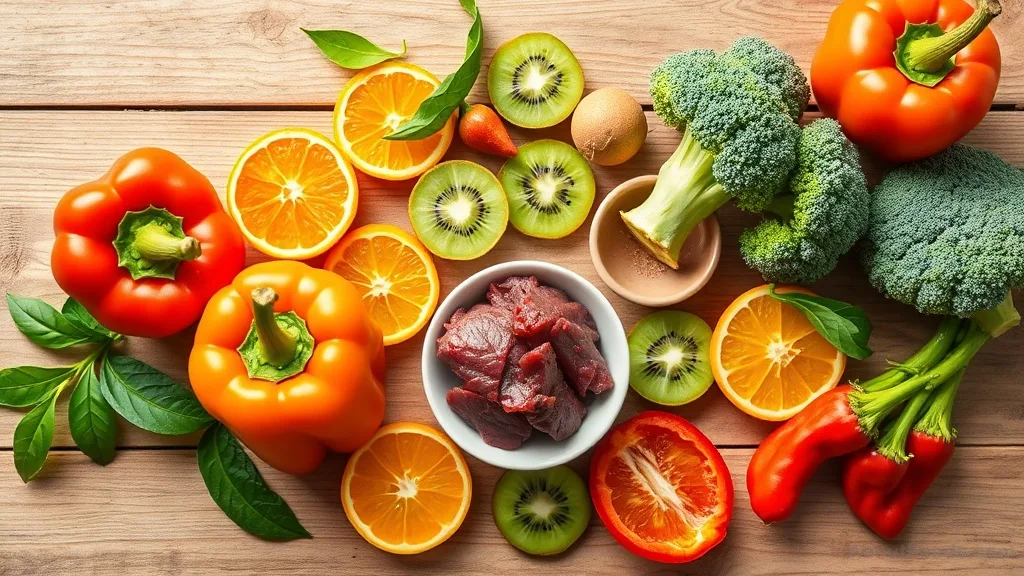
Vitamin C is crucial for collagen synthesis and immune function. While citrus fruits are famous sources, many animal-based options also provide this nutrient. This guide covers top vitamin C-rich foods from both kingdoms and offers practical tips for maximizing absorption.
Why Vitamin C Matters
Vitamin C, or ascorbic acid, is a water-soluble nutrient essential for the synthesis of collagen – the structural protein that supports skin, tendons, ligaments, and blood vessels. It also functions as a potent antioxidant, helps regenerate other antioxidants like vitamin E, and enhances the absorption of non-heme iron from plant foods. Because our bodies cannot produce it, we must obtain vitamin C from our diet every day.
Top Plant Sources of Vitamin C
Many fruits and vegetables are overflowing with vitamin C. Below are some of the richest plant sources – and a few surprises.
Tip: For maximum vitamin C, eat these foods raw or lightly steamed. Vitamin C is sensitive to heat and water-soluble, so boiling can leach it out. A quick steam or stir-fry preserves more of the nutrient.
Animal Sources – Yes, They Exist
While most animals can synthesize their own vitamin C, organ meats from animals that ate vitamin C-rich plants can contain meaningful amounts. These sources are especially valuable for those following animal-based or carnivore diets.
Small amounts of vitamin C also appear in raw milk, raw fish, and some shellfish, but levels are low. Liver remains the most reliable animal source.
Practical Tips for Maximum Vitamin C Absorption
- Pair vitamin C foods with iron-rich plant foods (like spinach or lentils) to boost iron absorption.
- Avoid over-boiling vegetables
- steam or eat them raw to retain ascorbic acid.
- Store cut fruits and vegetables in an airtight container in the fridge – vitamin C degrades with exposure to air and light.
- Add a squeeze of lemon or lime to salads or cooked greens for an extra boost.
- Include a variety of sources: eating different fruits and vegetables throughout the day ensures adequate intake.
How Much Do You Really Need?
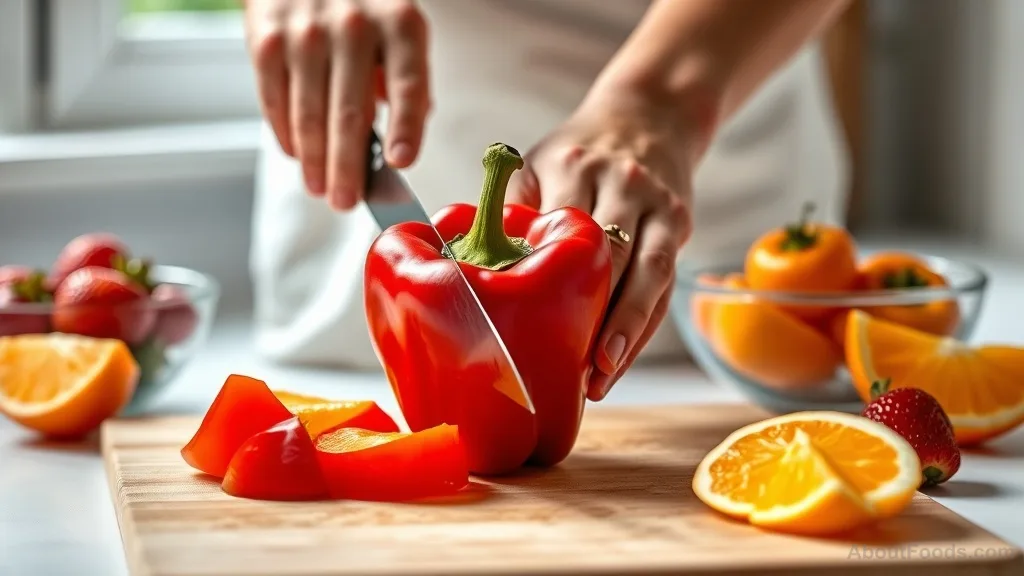
The recommended dietary allowance (RDA) for vitamin C is 90 mg per day for men and 75 mg for women. Smokers need an extra 35 mg due to increased oxidative stress. A single red bell pepper or a cup of broccoli easily meets the daily requirement. Most people get enough from a diet rich in fruits and vegetables – no need for mega-dosing.
However, certain groups may be at risk for deficiency: heavy drinkers, individuals with malabsorption conditions, those eating extremely restricted diets without fresh produce or organ meats. A simple blood test can confirm low levels.
Common Mistakes When Choosing Vitamin C Sources
- Relying solely on orange juice: many commercial varieties are pasteurized and lose some vitamin C plus contain added sugars. Whole oranges provide fiber and fewer calories.
- Ignoring vegetables: bell peppers
- broccoli
- and kale actually contain more vitamin C per serving than oranges.
- Overcooking liver: To preserve vitamin C in liver
- cook it briefly (medium-rare) rather than well-done.
Frequently Asked Questions
Rate this article
No ratings yet. Be the first to rate it.

Written by
Youssef Benali
Specialises in Moroccan cuisineYoussef makes tagine with preserved lemons he aged for 6 months. He is a patient man.
Describe yourself in three words: Patient, fragrant, lemon hands.