Healthy Fats
The Secret Fuego of Fat: Plant and Animal Foods Rich in Healthy Fats, Curated by a Mexican Kitchen Sage
Uncover the best sources of healthy fats from both plant and animal kingdoms. Learn which foods to embrace for flavor and nutrition, with practical tips for incorporating them into your daily meals.
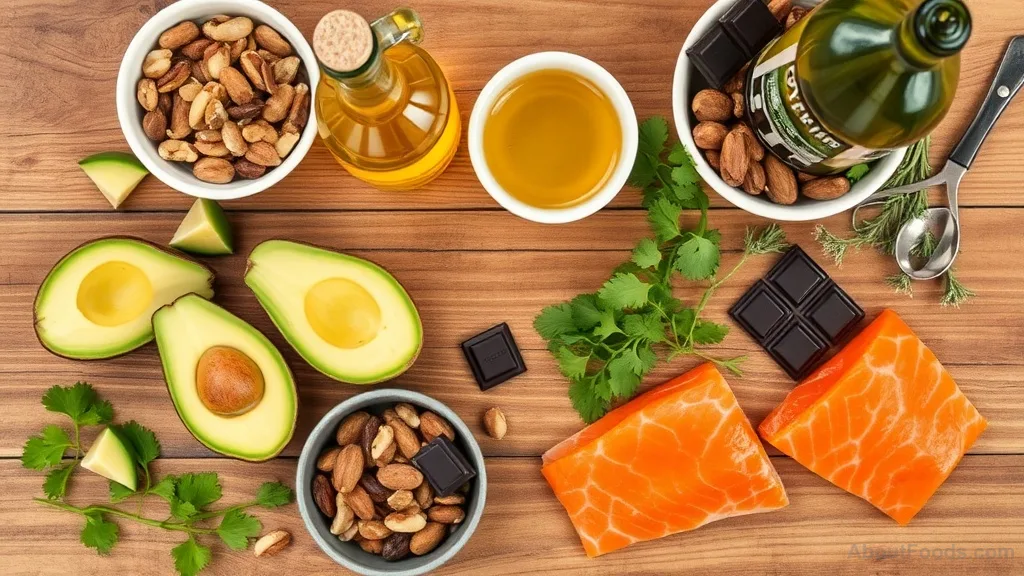
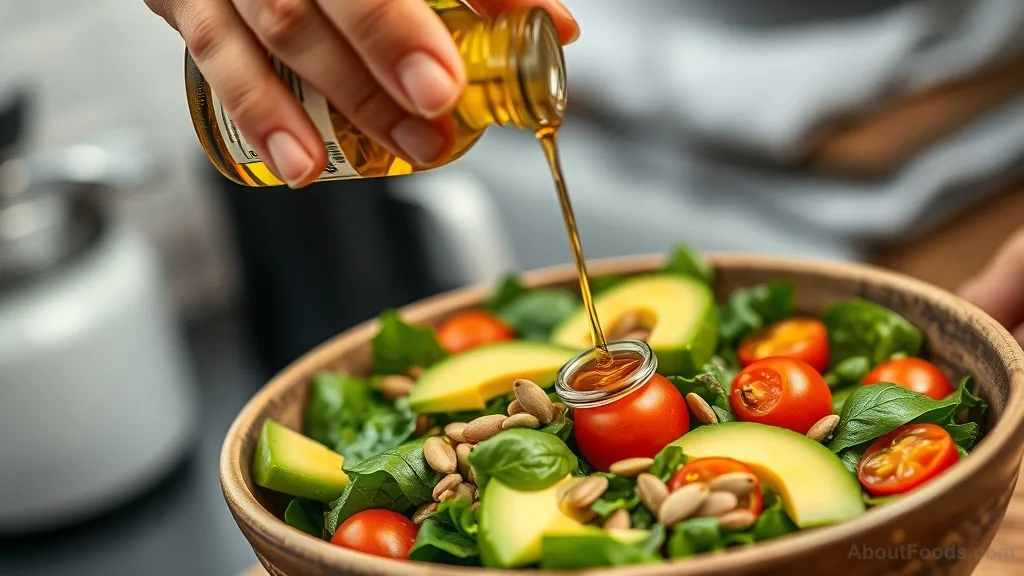
The Secret Fuego of Fat: Plant and Animal Foods Rich in Healthy Fats
In the heart of every Mexican kitchen, there lies a secret—a whisper of fat that carries the soul of our dishes. It’s not the enemy some fear, but a friend, a keeper of flavor and vitality. I am Diego Garcia, and I have danced with fats my whole life, from the golden sheen of aceite de oliva to the creamy depth of aguacate. Today, I pull back the curtain on the best plant and animal foods high in healthy fats. This is not just a list; it’s a guide to choosing with pride, to embracing the spicy truth that fat, when chosen wisely, can be your ally. Let’s explore together, with accuracy and a touch of mystery, the foods that will fuel your body and delight your palate.
Why Healthy Fats Matter: A Brief Fuego Lesson
Before we dive into the foods, let me share a truth as old as the agave fields: fats are essential. They are not just for cooking; they are for living. Healthy fats—like monounsaturated and polyunsaturated fats—support your heart, brain, and energy levels. They help absorb vitamins and keep your skin glowing. Think of them as the secret salsa in your nutritional bowl, adding richness without guilt. In this guide, we focus on foods that provide these beneficial fats, steering clear of the processed and the artificial. It’s about choosing with intention, like selecting the perfect chile for your mole.
- Monounsaturated fats: Found in foods like avocados and olive oil
- they can help reduce bad cholesterol.
- Polyunsaturated fats: Include omega-3 and omega-6 fatty acids
- crucial for brain function and found in fish and seeds.
- Saturated fats: While some animal foods contain these
- we’ll highlight options that balance them with other nutrients.
Top Plant-Based Foods: The Green and Golden Gems
From the earth comes a bounty of fats that sing with vitality. These plant foods are not just for vegetarians; they are for anyone seeking to add a splash of color and nutrition to their plate. Let’s uncover the stars, with practical tips to weave them into your daily rhythm.
| Food | Type of Healthy Fat | Serving Idea | Quick Tip |
|---|---|---|---|
| Avocado | Monounsaturated | Slice over toast or blend into smoothies | Choose ripe avocados that yield slightly to pressure |
| Extra Virgin Olive Oil | Monounsaturated | Drizzle over salads or use for light sautéing | Store in a cool, dark place to preserve flavor |
| Almonds | Monounsaturated | Snack on a handful or add to yogurt | Opt for raw or dry-roasted without added oils |
| Walnuts | Polyunsaturated (Omega-3) | Toss into oatmeal or bake into bread | Keep in the freezer to prevent rancidity |
| Chia Seeds | Polyunsaturated (Omega-3) | Mix into pudding or sprinkle on cereal | Soak in liquid to release their gel-like texture |
| Flaxseeds | Polyunsaturated (Omega-3) | Grind and add to baked goods or smoothies | Always grind for better absorption; whole seeds may pass through undigested |
In my kitchen, I love to mash avocado with lime and cilantro for a quick guacamole, or toast almonds with a pinch of sea salt for a crunchy topping. These foods carry the spirit of the land—simple, powerful, and full of life.
Top Animal-Based Foods: The Ocean and Pasture Treasures
From the deep blue seas to the rolling pastures, animal foods offer fats that are rich in nutrients like omega-3s and vitamins. Choose wisely, focusing on quality and preparation, to harness their benefits without overindulgence. Here, I share the picks that honor both health and heritage.
I often grill salmon with a rub of chili and garlic, or simmer sardines in tomato sauce for a quick, flavorful meal. Remember, balance is key—let these animal foods complement, not dominate, your plate.
How to Choose and Use: Practical Kitchen Wisdom
Knowing the foods is one thing; using them with skill is another. Here, I offer guidance to avoid common pitfalls and make the most of these healthy fats in your cooking. Think of it as a recipe for success, passed down through generations of careful hands.
In my abuela’s kitchen, we always balanced a rich mole with fresh vegetables, teaching me that fat is a companion, not a crutch. Apply this wisdom by pairing fatty fish with a bright citrus salad, or adding avocado to a bean bowl for creaminess without heaviness.
Common Mistakes to Avoid: The Spicy Truths
Even the best ingredients can lead astray if mishandled. Let’s shed light on errors I’ve seen—and made—so you can steer clear and cook with confidence. This is where the mystery unravels, revealing simple truths for a healthier kitchen.
- Overusing oils: A little goes a long way
- measure with a spoon instead of pouring freely.
- Ignoring quality: Not all olive oils are equal—look for 'extra virgin' and check harvest dates.
- Skipping variety: Don’t just stick to one fat
- rotate between plant and animal sources for a broader nutrient profile.
- Forgetting portion control: Healthy fats are calorie-dense
- enjoy them in moderation as part of a balanced meal.
- Cooking at high heat with delicate fats: Use avocado oil or ghee for searing
I recall once burning walnuts in a hot pan, losing their delicate flavor. Now, I toast them gently, watching like a hawk. Learn from such moments—patience and attention are your best tools.
FAQs: Your Questions, Answered with Fuego
Are all animal fats unhealthy?
No, many animal fats, like those in fatty fish or pasture-raised eggs, provide essential nutrients like omega-3s and vitamins. The key is to choose lean cuts, moderate portions, and balance with plant foods.
How much healthy fat should I eat daily?
Guidelines suggest that 20-35% of your daily calories can come from fats, focusing on unsaturated types. For a 2,000-calorie diet, this is about 44-78 grams. Listen to your body and adjust based on activity and health goals.
Can I cook with avocado oil?
Yes, avocado oil has a high smoke point, making it suitable for frying and roasting. It’s a versatile choice that adds a mild, buttery flavor to dishes.
What’s the best way to include omega-3s if I don’t eat fish?
Plant sources like chia seeds, flaxseeds, and walnuts are excellent alternatives. Consider incorporating them into meals regularly, or discuss supplements with a healthcare provider if needed.
Is coconut oil a healthy fat?
Coconut oil is high in saturated fat, so use it in moderation. It can be good for certain cooking methods, but balance it with unsaturated fats from plants for overall heart health.
These answers come from years in the kitchen and a deep respect for tradition and science. If you have more questions, let them simmer—I’m always here to share the next layer of flavor.
Final Thoughts: Embrace the Fat with Pride
As we wrap up this journey, remember that healthy fats are not a trend but a timeless part of nourishing cuisine. From the creamy avocado to the robust salmon, each food carries a story and a benefit. I, Diego Garcia, encourage you to experiment with these choices, to let your kitchen echo with the sizzle of good oil and the crunch of fresh nuts. Keep it simple, stay grounded, and always add a pinch of that mysterious spice we call life. ¡Buen provecho!
Rate this article
No ratings yet. Be the first to rate it.

Written by
Diego Garcia
Specialises in Mexican cuisineDiego is a taquero who uses a secret salsa roja that involves dried chiles he grows himself. He is a local legend.
Describe yourself in three words: Mysterious, proud, spicy.