Vitamin C
Vitamin C Food Sources Ranked: My Lola's Guide to Everyday Eating
Discover the best vitamin C foods for your daily meals, ranked from everyday staples to powerful surprises. I'll share practical serving ideas and nostalgic tips from my Filipino kitchen to help you boost your intake naturally.
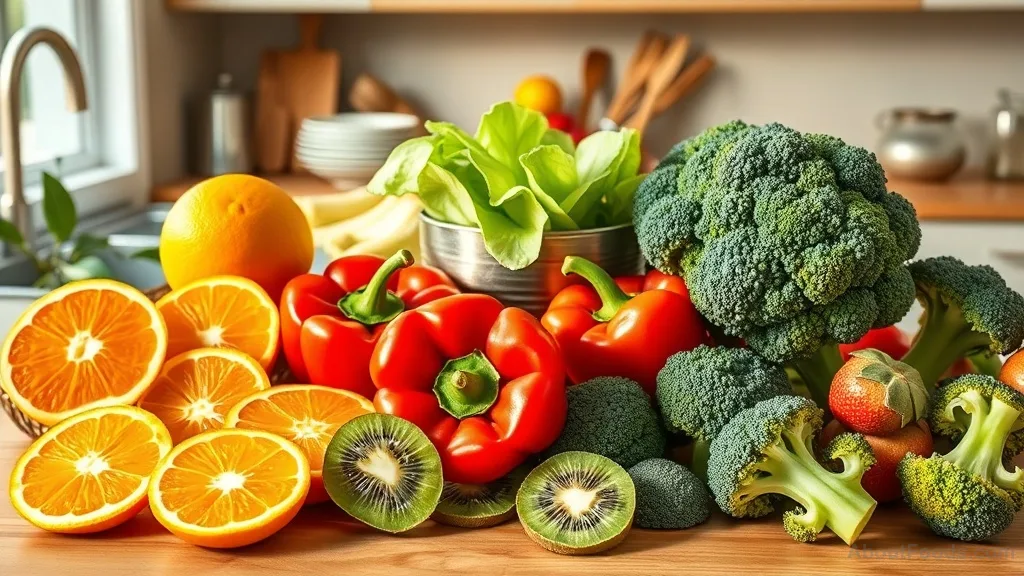
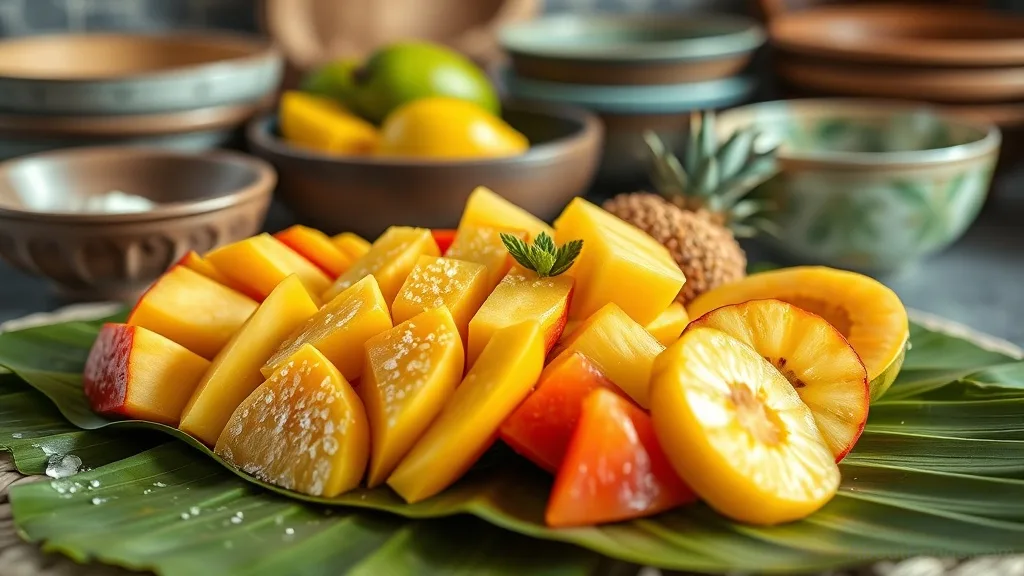
Why Vitamin C Matters in My Filipino Kitchen
Growing up in my Lola's kitchen, I learned that good food isn't just about flavor—it's about what nourishes your body. She'd always say, 'Miguel, eat your calamansi, it's nature's medicine!' And she was right. Vitamin C isn't some mysterious supplement; it's in the vibrant fruits and vegetables that should be part of our everyday eating. This guide isn't about complicated nutrition science—it's about practical, delicious foods you can actually enjoy daily, ranked by how much vitamin C they pack and how easy they are to incorporate into your meals.
The Ranking System: How We Compare Vitamin C Foods
Before we dive into the list, let me explain how I'm ranking these foods. I'm looking at three things: vitamin C content per typical serving, how easy they are to find and use daily, and their versatility in cooking. Just like my Lola taught me—the best food is the one you'll actually eat regularly. All measurements are based on raw, fresh foods unless noted, because cooking can reduce vitamin C content (something we'll talk about later).
Top Tier: Powerhouse Vitamin C Foods
These are the champions—foods so rich in vitamin C that just one serving can meet or exceed your daily needs. My Lola would call these 'super foods' and she'd find ways to sneak them into everything.
| Food | Serving Size | Vitamin C (mg) | Everyday Tips |
|---|---|---|---|
| Guava | 1 medium fruit | 228 | Eat like an apple or blend into smoothies |
| Red Bell Pepper | 1 cup chopped | 190 | Slice for snacks, roast for sweetness |
| Kiwi | 2 medium fruits | 137 | Scoop with spoon, add to fruit salads |
| Orange | 1 large fruit | 98 | Peel and eat, juice for dressings |
| Strawberries | 1 cup whole | 89 | Wash just before eating, freeze for later |
Guava might surprise you at the top—it's a staple in Filipino markets and packs more vitamin C than oranges. Red bell peppers are my secret weapon; they have almost three times the vitamin C of oranges by weight. Keep these colorful foods visible in your kitchen, just like Lola kept her fruit bowl always full.
Everyday Essentials: Reliable Vitamin C Sources
These are the workhorses—foods you probably already have in your kitchen that provide solid vitamin C without much fuss. They're affordable, available year-round, and versatile enough for daily use.
Broccoli is particularly special—it retains more vitamin C when steamed than boiled. And don't overlook potatoes! While not as high as citrus, they contribute to your daily total, especially if you eat the skin where most nutrients live.
Filipino Favorites: Vitamin C from Home
Let me share some foods from my heritage that are vitamin C treasures. These might not be in every supermarket, but they're worth seeking out in Asian markets or growing yourself if you can.
- Calamansi (Philippine lime): Tiny but mighty—one fruit has about 10mg vitamin C. We squeeze it over everything from fish to noodles.
- Mango: Especially green mangoes
- which have more vitamin C than ripe ones. Perfect for salads or eaten with a little salt.
- Papaya: Common in Filipino breakfasts. One cup of cubed papaya gives you about 88mg vitamin C.
- Pineapple: Fresh pineapple chunks in your fruit salad or as a snack. One cup provides 79mg vitamin C.
Calamansi deserves special mention. My Lola kept a bowl of them on the table always—for drinks, for seasoning, for everything. They're smaller than regular limes but pack a nutritional punch and incredible flavor.
Practical Tips: How to Keep Vitamin C in Your Food
Here's where many people go wrong—they buy vitamin C-rich foods but lose the benefits through poor storage and cooking. Let me share what I learned from watching Lola preserve the goodness in her ingredients.
- Store properly: Keep fruits and vegetables cool and dry. Refrigerate cut produce in airtight containers.
- Cook smart: Steam or stir-fry instead of boiling. Vitamin C dissolves in water and breaks down with heat.
- Eat fresh: Vitamin C content decreases over time. Buy what you'll use within a few days.
- Cut last minute: Prepare fruits and vegetables just before eating to minimize exposure to air.
- Use cooking water: If you must boil
- use the nutrient-rich water in soups or sauces.
The biggest mistake I see? Overcooking vegetables until they're mushy and pale. Lola would say, 'Cook until just tender-crisp—the color should still sing!' That vibrant color often indicates preserved nutrients.
Simple Meal Ideas for Daily Vitamin C
You don't need fancy recipes to get enough vitamin C. Here are simple ways to incorporate these foods into your daily eating, inspired by how we eat in Filipino households.
My favorite trick? The 'rainbow plate' approach Lola taught me. Make sure every meal has at least two different colors from fruits or vegetables—it's an easy way to ensure vitamin C variety without counting milligrams.
Common Questions About Vitamin C Foods
Do I need to take vitamin C supplements if I eat these foods?
For most people eating a varied diet, supplements aren't necessary. Focus on including several vitamin C-rich foods throughout your day. Supplements can be useful if you have specific dietary restrictions, but whole foods provide additional benefits like fiber and other nutrients.
Can you get too much vitamin C from food?
It's very difficult to overdose on vitamin C from food alone. Your body excretes excess through urine. However, extremely high doses from supplements might cause digestive discomfort. Stick to food sources and you'll be fine.
Which has more vitamin C: fresh, frozen, or canned?
Fresh is usually best, but frozen fruits and vegetables can be excellent since they're frozen at peak ripeness. Avoid canned versions in syrup or with added salt, and if using canned, choose those packed in water or their own juice.
Do cooked tomatoes have more vitamin C than raw?
Cooked tomato products like sauce actually make the vitamin C more available to your body, though some is lost in cooking. The trade-off is worth it for the lycopene benefits. Include both raw and cooked tomatoes in your diet.
How long do vitamin C foods last in the fridge?
Most cut fruits and vegetables should be used within 3-5 days. Whole citrus lasts 1-2 weeks. Bell peppers keep well for about a week. Always store in airtight containers and wash just before eating to maximize freshness.
Rate this article
No ratings yet. Be the first to rate it.

Written by
Miguel Santos
Specialises in Filipino cuisineMiguel learned adobo from his Lola and added a twist: coconut milk AND cane vinegar. He is now considered a folk hero in Manila.
Describe yourself in three words: Proud, nostalgic, talks about his Lola a lot.