Fiber
What to Eat When You Want More Fiber in Your Diet: A Practical Guide to High-Fiber Foods
A straightforward guide to increasing your fiber intake with the best food sources, practical tips for adding them to your meals, and answers to common questions. No fads—just reliable, high-fiber foods that actually work.
Why Fiber Matters (and Why You Probably Need More)
Fiber is the kind of carbohydrate that stays with you – no sugar rush, no crash. It supports digestion, helps you feel full longer, and keeps things moving. Yet most people eat about half of what's recommended: 25 grams per day for women, 38 for men. The goal here is simple: add more high-fiber foods to your regular meals without overcomplicating things.
The Top High-Fiber Foods to Prioritize
Not all fiber is created equal, but the best sources are whole foods you can find at any grocery store. Below is a quick-reference table of the most effective options. Use it as a starting point for your next shopping trip.
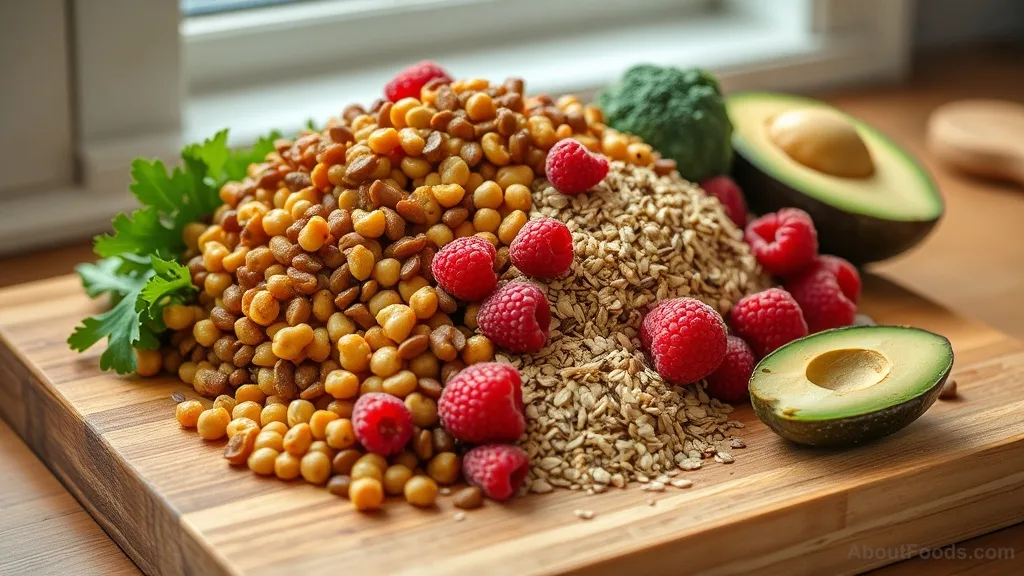
These foods are not just fiber powerhouses – they bring other nutrients to the table. Lentils and beans are also high in protein; avocado offers healthy fats; berries are rich in antioxidants. Use them to build balanced, satisfying meals.
How to Add More Fiber Without Overthinking It
The trick is to layer fiber into foods you already eat. Start with one or two changes per week. Here are a few no-fuss ideas:.
Common Mistakes That Keep Your Fiber Low
Even when you think you're eating fiber-rich foods, a few habits can undermine your efforts. Avoid these pitfalls:.
A Day of High-Fiber Eating (Easy Sample Menu)
Here is what a day could look like, hitting roughly 35 grams of fiber – in real meals, no bizarre ingredients.
Total: about 37.5 grams of fiber. You can adjust portion sizes to fit your calorie needs. The key is that each meal contains at least one high-fiber ingredient.
Frozen and Canned Options That Still Pack Fiber
As someone who relies on a stocked freezer, I know that fresh isn't always practical. The good news: frozen and canned vegetables, beans, and fruits retain their fiber perfectly. Frozen raspberries have the same amount of fiber as fresh. Canned beans (rinsed) are just as good as dried. Frozen broccoli, spinach, and edamame are all excellent choices. Just watch out for added salt or sugar in canned goods – buy no-salt-added or rinse well.
Frequently Asked Questions About Fiber
The Bottom Line
Getting more fiber in your diet doesn't require a special plan or expensive powders. Focus on beans, lentils, oats, berries, and whole vegetables – foods that are easy to cook, store well, and fit into almost any meal. Start with one switch this week and build from there. Your body will adjust, and you'll feel the difference.
Rate this article
No ratings yet. Be the first to rate it.

Written by
Anya Ivanov
Specialises in Russian cuisineAnya makes pelmeni in batches of 500. She says freezing them is the only way to survive winter.
Describe yourself in three words: Stoic, efficient, freezer queen.