Omega 3
What to Eat When You Want More Omega-3 in Your Diet
A nostalgic guide to welcoming more omega-3 into your daily meals, including the best food sources and simple, evocative ways to enjoy them.
Why Omega-3 Deserves a Place at Your Table
Omega-3 fatty acids are a family of polyunsaturated fats that play a vital role in keeping our bodies balanced. They are essential nutrients—our bodies cannot produce them, so we must obtain them from food. The three main types are ALA (alpha-linolenic acid), found mostly in plants, and EPA and DHA (eicosapentaenoic acid and docosahexaenoic acid), found in marine sources. Growing up, my grandmother would often tell me to eat more fish, especially the oily ones, because they would make my mind sharp and my heart strong. She was right, though she might not have known the scientific names. Let’s walk through the best foods that bring omega-3 into your kitchen—each with a little memory or a simple way to enjoy them.
Quick Look: Top Omega-3 Food Sources
Here is a handy table that gives you the typical omega-3 content per serving for the most common foods. Use it as a cheat sheet when you are planning meals or stocking your pantry.
Note: EPA and DHA from seafood are more readily used by the body than ALA from plants, so if you eat fish, it is an efficient way to meet your needs. If you are plant-based, focus on a variety of ALA-rich seeds and nuts, and consider an algae-derived EPA/DHA supplement for the most benefit.
Fatty Fish: The Classic Source
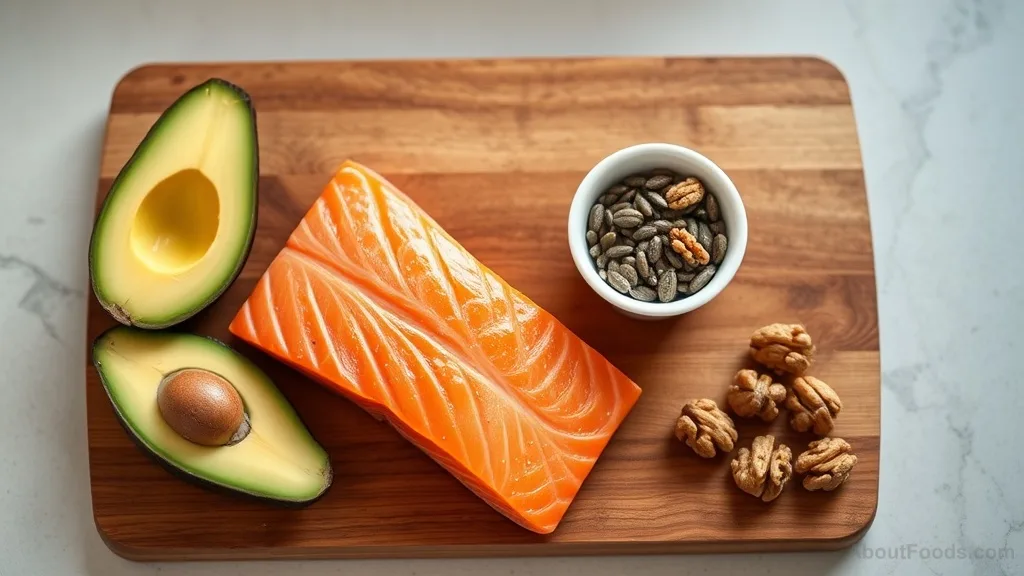
Fish like salmon, mackerel, sardines, and anchovies are the most concentrated sources of EPA and DHA. I remember the first time I watched my grandmother prepare a whole mackerel—she would wipe away the tiny scales, fill the belly with slivers of ginger and scallion, and steam it to perfection. The flesh was flaky, rich, and the aroma filled our small kitchen. She believed fish was brain food, and perhaps it was the omega-3 that made the difference. To this day, I find comfort in steaming fish or oiling the grates for a piece of salmon. Quick ways to enjoy: - Pan-sear a fillet and top with a squeeze of lemon and fresh dill. - Add canned sardines or anchovies to salads, pasta, or on crostini. - Grill or poach salmon and flake it over a grain bowl with greens.
Seeds: Tiny Powerhouses of ALA
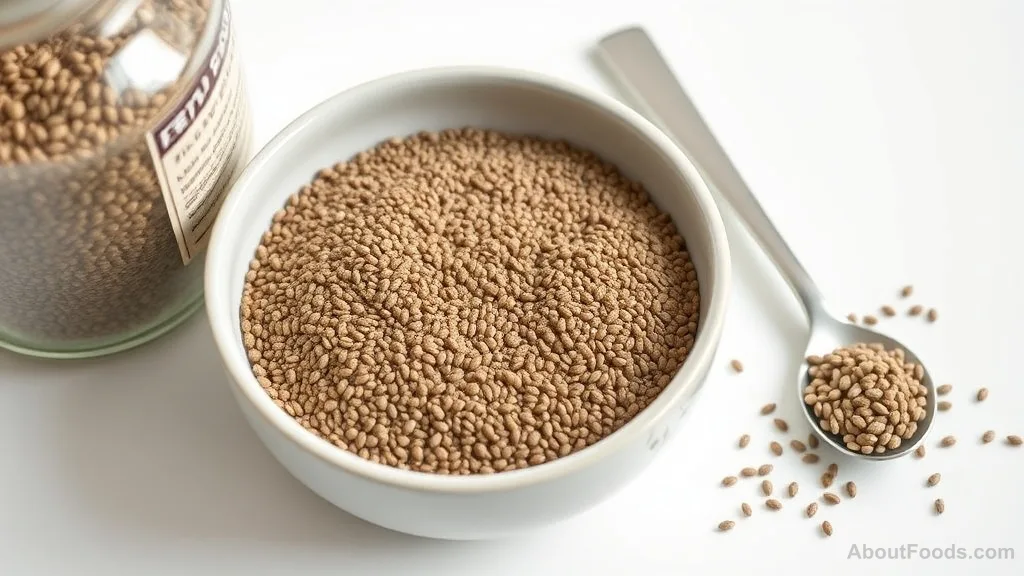
Chia seeds and flaxseeds are the rock stars of the plant-based omega-3 world. They are rich in ALA, and they come with the kindness of fibre and a gentle crunch. I like to remember the old days when we stored flaxseeds in a tin can; my grandmother would grind them fresh each morning with a mortar and pestle, then sprinkle the coarse powder over her oatmeal or in a little bowl of warm milk and honey. That memory makes me grind a tablespoon of flaxseed even now—always smell it first; it should smell rich and nutty. If it smells like paint or old oil, it has gone rancid. Easy additions: - Stir a tablespoon of ground flax or chia seeds into your morning yoghurt, oatmeal, or smoothie. - Make a chia pudding by soaking 3 tablespoons of chia seeds in 1 cup of coconut milk overnight, then top with berries for breakfast or dessert. - Use flaxseed mixed with water as an egg replacer in baking (1 tbsp flax + 3 tbsp water = 1 egg).
- Store flax and chia seeds in a cool
- dark place. For longer life
- keep them in the refrigerator.
- Buy flaxseed already ground or grind it yourself at home to reap the digestive benefits (whole seeds may pass through intact).
- Hemp seeds are also excellent and can be sprinkled on salads
- soups
- or toast.
Walnuts: A Crunch That Nourishes
Walnuts are another distinctive source of ALA, maybe the nut that tastes like childhood afternoons—cracking them gently, removing the brittle shell to reveal a perfect brain-shaped kernel my grandmother would call “little brains” and say they would make mine grow. She was not entirely wrong. Each ounce of walnuts provides about 2.5 grams of ALA. They have a slightly tannic skin that some find bitter, but toasting them lightly in a dry skillet brings out a deep, caramelized fragrance that makes you pause. Practical ways to enjoy: - Toss a handful into trail mix or granola. - Chop and add to salads with a citrus vinaigrette and crumbled goat cheese. - Use them as a base for pesto in place of pine nuts. A small trick: if you are toasting walnuts, keep an eye on them—minutes can turn them from perfect to burnt. The moment you smell them, they are done.
FAQ: Common Questions About Omega-3 Foods
Do I need to eat fish to get enough omega-3?
No, you can meet your needs with plant-based sources such as flaxseed, chia seeds, walnuts, and hemp seeds. However, because the body converts only about 5–10% of ALA to EPA and DHA, people following a plant-based diet might consider an algae-derived supplement if they want more EPA and DHA.
Can you get omega-3 from eggs?
Yes, eggs that are labeled as omega-3 enriched (from hens fed a diet that includes flaxseed or fish oil) can provide a modest amount—usually about 100–150 mg of ALA (and sometimes a little DHA) per egg. But the amount is generally lower than a single serving of salmon or chia seeds.
Should I take an omega-3 supplement?
That depends on your diet and needs. If you rarely eat fatty fish and do not consistently include ALA-rich seeds, a supplement—especially fish or algae oil—might be helpful. Always consult your healthcare provider before starting any supplement, especially if you are on blood-thinning medications.
A Final Spoonful of Thought.
Incorporating more omega-3 into your meals does not require grand transformations. A handful of walnuts here, a sprinkling of chia seeds there, or a piece of fish once or twice a week—these small acts accumulate. My grandmother never measured omega-3; she just knew what was good, and she served it with patience and love. That is the secret: choose whole foods, keep it simple, and let the little rituals fill your life with nourishment. Start with one swap—swap your morning cereal for a smoothie with flax and berries, or swap a weekday chicken for grilled salmon. The body and the heart will thank you.
Rate this article
No ratings yet. Be the first to rate it.

Written by
Mei Zhang
Specialises in Chinese cuisineMei Zhang is a dumpling artist who puts a pleat in each one to represent a year of her life. She is 32.
Describe yourself in three words: Nostalgic, artistic, slow but perfect.