Blood Sugar Balance
A Beginner's Guide to Blood Sugar Balance for Everyday Eating
Learn how to maintain stable blood sugar through simple, mindful eating habits. This guide offers practical tips for balancing your meals and avoiding energy crashes, inspired by traditional wisdom and modern nutrition.

Why Blood Sugar Balance Matters in Everyday Life
In my grandmother's kitchen in Shanghai, meals were never rushed. She would carefully combine rice with vegetables and small amounts of protein, creating harmony on the plate. This slow, thoughtful approach to eating wasn't just tradition—it was wisdom about how food affects our energy throughout the day. When we talk about blood sugar balance, we're really talking about creating that same harmony in our modern lives. Stable blood sugar means steady energy, better focus, and fewer cravings. It's not about strict diets or complicated rules, but about understanding how different foods work together to support your body naturally.
Understanding the Basics: What Happens When You Eat
Think of your body as a careful gardener tending to energy levels. When you eat carbohydrates—whether from rice, bread, or fruit—your body breaks them down into glucose, which enters your bloodstream. This is normal and necessary. But different foods release this glucose at different speeds. Simple carbohydrates (like white bread or sugary snacks) release glucose quickly, causing a rapid spike in blood sugar followed by a crash. Complex carbohydrates (like whole grains and vegetables), especially when paired with protein or fat, release glucose slowly, providing steady energy. The goal isn't to avoid carbohydrates but to choose and combine them wisely.
Practical Strategies for Balanced Eating
Balancing blood sugar doesn't require measuring every bite or following strict meal plans. Instead, think about creating complete meals that include different elements working together. Start by building your plate with vegetables (especially non-starchy ones like leafy greens, broccoli, or peppers), add a serving of protein (about the size of your palm), include complex carbohydrates (like quinoa, sweet potato, or whole grain bread), and don't forget a small amount of healthy fat. This combination slows digestion and provides nutrients steadily throughout the day. Remember to eat regularly—skipping meals often leads to overeating later and blood sugar roller coasters.
- Always include protein with carbohydrates
- Choose whole foods over processed options
- Add vegetables to every meal
- Include healthy fats in moderation
- Stay hydrated with water throughout the day
Common Mistakes and How to Avoid Them
Many people trying to balance their blood sugar make the same understandable mistakes. They might skip breakfast, then reach for sugary snacks mid-morning. Or they load up on simple carbohydrates without enough protein or fiber. Another common error is drinking sweet beverages without realizing how quickly they affect blood sugar. The solution isn't perfection but awareness. Notice how different foods make you feel a few hours after eating. Do you feel energized or sluggish? Hungry again quickly or satisfied? This mindful observation, much like the careful attention my grandmother paid to her cooking, can guide you toward better choices naturally.
| Instead of... | Try... |
|---|---|
| White toast with jam | Whole grain toast with avocado and egg |
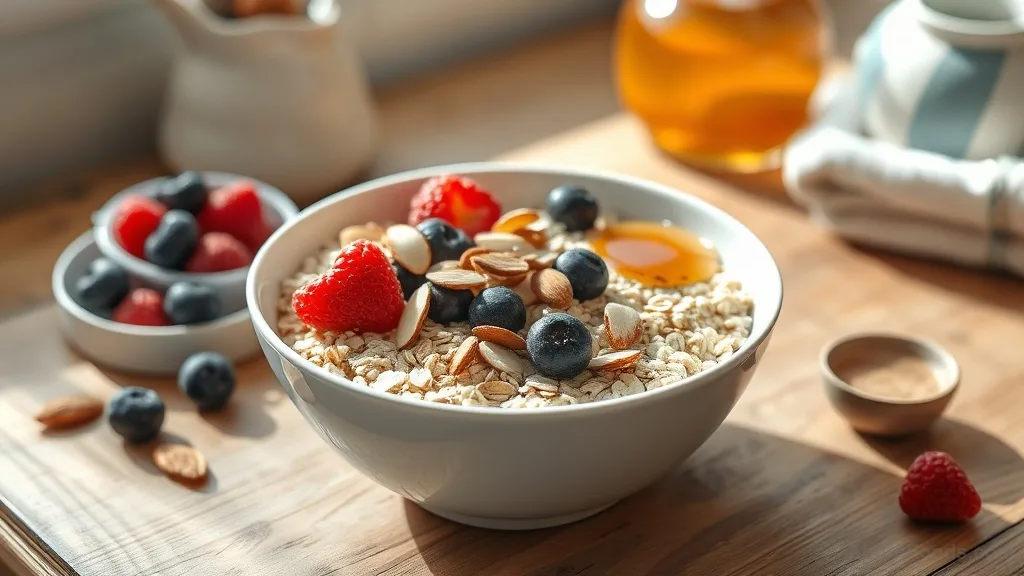
| Sugary cereal with milk | Oatmeal with nuts and berries |
| Plain pasta with sauce | Whole wheat pasta with vegetables and lean protein |
| Fruit juice | Whole fruit with a handful of nuts |
| Mid-afternoon candy bar | Apple slices with almond butter |
Putting It All Together: A Day of Balanced Eating
Let's walk through what balanced eating might look like in practice. For breakfast, consider steel-cut oats with berries and a spoonful of almond butter—this combines complex carbohydrates, fiber, protein, and healthy fats. Lunch could be a salad with mixed greens, grilled chicken, quinoa, and olive oil dressing. For dinner, try salmon with roasted sweet potatoes and broccoli. If you need snacks, choose options that combine elements: an apple with cheese, carrot sticks with hummus, or Greek yogurt with a sprinkle of nuts. The pattern is simple: combine, don't eliminate. Variety and balance are more important than any single 'perfect' food.
Frequently Asked Questions
Do I need to completely avoid sugar?
Not necessarily. The goal is balance, not elimination. Small amounts of natural sugars from fruits or occasional treats can fit into a balanced diet when combined with other nutrients. Focus on reducing added sugars in processed foods and beverages.
How often should I eat to maintain stable blood sugar?
Most people do well with three balanced meals and one or two small snacks if needed. The key is regularity—eating at consistent times helps your body maintain steady energy levels. Listen to your hunger cues rather than following rigid schedules.
Can exercise affect blood sugar balance?
Yes, physical activity helps your body use glucose more efficiently. Regular movement, even gentle walks after meals, can support blood sugar balance. Combine balanced eating with consistent activity for best results.
Are there specific foods I should always include?
Focus on variety rather than specific 'superfoods.' Include plenty of non-starchy vegetables, whole grains, lean proteins, and healthy fats. Different foods provide different nutrients, so rotating your choices creates the most balanced approach.
How quickly will I notice changes?
Many people notice improved energy levels and reduced cravings within a few days to a week of practicing balanced eating. Remember that this is about sustainable habits, not quick fixes. Be patient with yourself as you learn what works best for your body.
Rate this article
No ratings yet. Be the first to rate it.

Written by
Mei Zhang
Specialises in Chinese cuisineMei Zhang is a dumpling artist who puts a pleat in each one to represent a year of her life. She is 32.
Describe yourself in three words: Nostalgic, artistic, slow but perfect.