Fiber And Gut Health
Fiber & Gut Health: A Beginner's Guide to Eating for a Happy Belly Every Day
Discover how to boost your fiber intake with simple, delicious foods to support gut health. This guide breaks down the basics of fiber, why it matters for digestion, and easy ways to add more to your meals.
OPA! Let’s Talk Fiber—Your Gut’s Best Friend
Kalimera, my friends! Eleni here, and if there’s one thing I’ve learned from my Greek yiayia, it’s that a happy belly means a happy life. We’re diving into fiber today—not some boring nutrition term, but the secret sauce to feeling fantastic every day. Think of fiber as the quiet hero in your meals, working behind the scenes to keep your digestion smooth and your energy up. No complicated science, just real talk on how to eat more of it without turning your kitchen upside down. Ready? Let’s go!
What Is Fiber, and Why Should You Care?
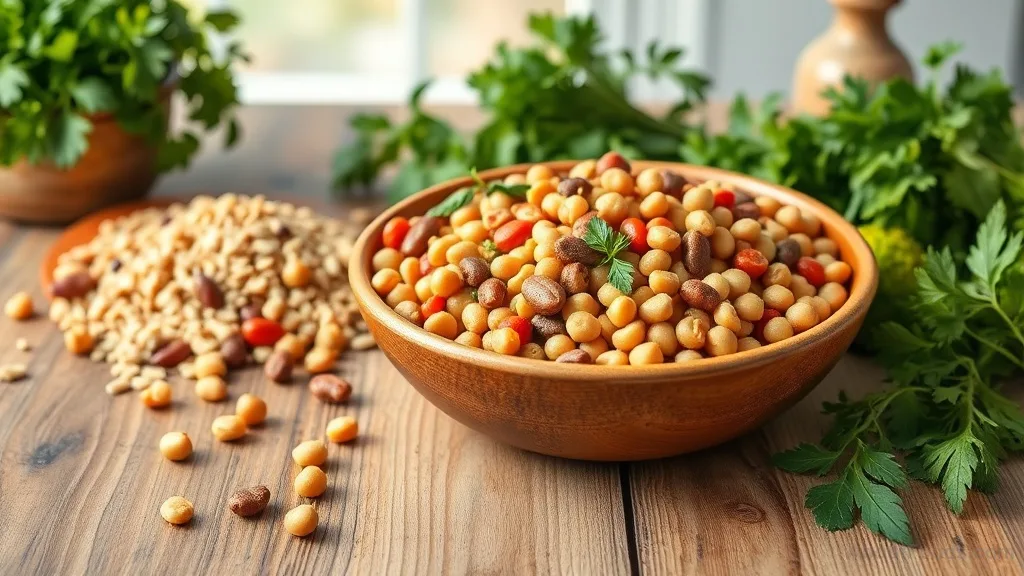
Fiber is a type of carbohydrate found in plant foods that your body can’t fully digest. Instead of breaking down like sugar or starch, it travels through your gut, doing all sorts of good deeds along the way. It’s like a friendly broom sweeping things through, helping you feel full, keeping things regular, and feeding the good bacteria in your belly. In Greece, we’ve always eaten fiber-rich foods—think lentils, beans, and fresh veggies—without even calling it ‘fiber.’ It’s just how we eat!
- Soluble fiber: Dissolves in water
- forms a gel
- and helps lower cholesterol and balance blood sugar. Found in oats
- apples
- and beans.
- Insoluble fiber: Doesn’t dissolve
- adds bulk to stool
- and keeps things moving. Found in whole grains
Most adults need about 25–30 grams of fiber per day, but many of us fall short. Don’t worry—we’ll fix that with simple tweaks!
Top Fiber-Rich Foods to Add to Your Plate
You don’t need fancy supplements or expensive products to get more fiber. Just look to whole, real foods—the kind your grandmother would recognize. Here’s my go-to list, straight from the Mediterranean playbook.
| Food | Fiber (approx. per serving) | Easy Ways to Use It |
|---|---|---|
| Lentils (cooked) | 8g per ½ cup | Add to soups, salads, or make a simple lentil stew |
| Oats (rolled) | 4g per ½ cup | Use in oatmeal, smoothies, or homemade granola |
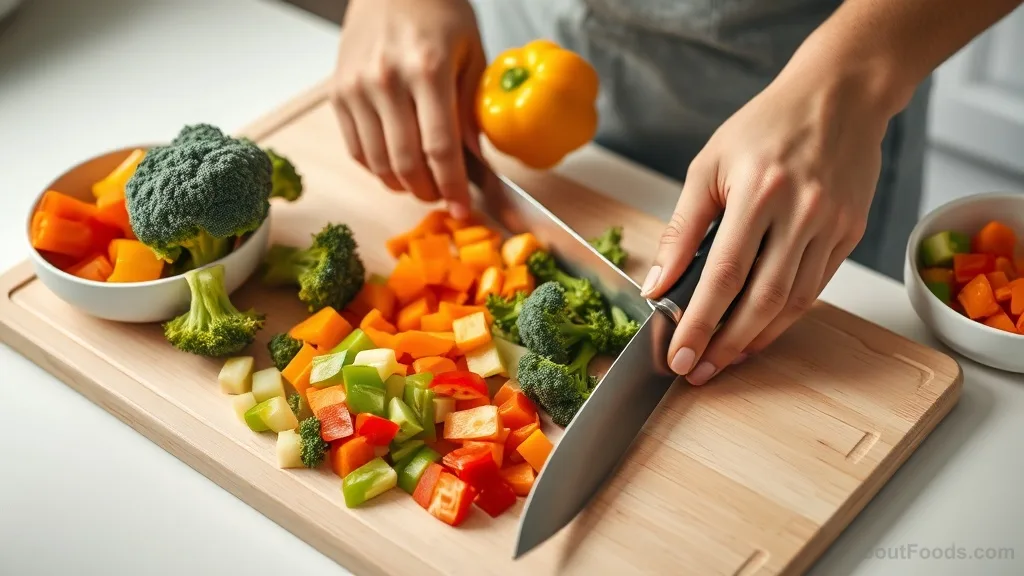
| Broccoli (steamed) | 5g per cup | Roast as a side, toss into stir-fries, or blend into soups |
| Apples (with skin) | 4g per medium apple | Eat as a snack, slice into salads, or bake with cinnamon |
| Chickpeas (canned) | 6g per ½ cup | Mash for hummus, roast for crunch, or add to grain bowls |
| Almonds (raw) | 3.5g per ¼ cup | Sprinkle on yogurt, blend into butter, or enjoy as a snack |
Start with one or two of these each day—maybe swap white bread for whole-grain or add beans to your lunch. Small changes add up!
Simple Ways to Boost Fiber in Everyday Meals
OPA! Let’s get practical. You don’t need to overhaul your diet overnight. Here are my favorite no-stress tips to sneak more fiber into your routine, Greek-style.
Remember, it’s about abundance, not restriction. Load up on plants, and your gut will thank you with better digestion and more energy.
Common Mistakes to Avoid When Increasing Fiber
Yiayia always said, ‘Eat slowly, enjoy your food!’ When it comes to fiber, rushing can lead to discomfort. Here’s what to watch out for so you feel great, not bloated.
Avoid jumping straight to huge portions of beans or bran cereals—your belly needs time to adapt. And hey, if you slip up, no drama! Just get back to it tomorrow.
A Sample Day of High-Fiber Eating
Let’s paint a picture of what a fiber-rich day looks like—simple, delicious, and totally doable. This isn’t a strict plan, just inspiration to get you started.
- Breakfast: Greek yogurt with oats
- chia seeds
- and sliced strawberries (about 8g fiber)
- Lunch: Whole-grain pita stuffed with hummus
- cucumbers
- tomatoes
- and spinach (about 10g fiber)
- Snack: An apple with a handful of almonds (about 7g fiber)
See? No magic required. Just real food, prepared with love. Feel free to tweak this based on what you have on hand—the key is keeping plants at the center.
FAQs: Your Fiber Questions, Answered
Can I get enough fiber without eating meat?
Absolutely! Plant-based foods are the best sources of fiber. Focus on legumes, whole grains, nuts, seeds, fruits, and vegetables—they’ll give you plenty without any meat.
What if I don’t like vegetables?
Start with mild ones like carrots or zucchini, roasted with olive oil and herbs to bring out sweetness. You can also blend veggies into soups or sauces—they’ll add fiber without a strong taste.
How do I know if I’m eating too much fiber?
Signs like bloating, gas, or constipation might mean you’ve increased too quickly. Scale back, drink more water, and add fiber slowly over time. Most people benefit from more, not less!
Are fiber supplements a good idea?
Whole foods are always best because they come with other nutrients. If you struggle, talk to a healthcare pro, but try to get fiber from your meals first—it’s more satisfying and balanced.
How does fiber help with weight management?
Fiber-rich foods tend to be filling, so you might eat less overall. They also digest slowly, keeping blood sugar steady and reducing cravings. It’s a natural way to support healthy habits.
Yamas! To Your Happy Gut Journey
There you have it—fiber made simple, from my Greek kitchen to yours. Remember, gut health isn’t about perfection; it’s about adding more good stuff, one meal at a time. Start with an extra veggie today, swap a grain tomorrow, and soon you’ll feel the difference. OPA! Here’s to eating well, living fully, and keeping that belly smiling. Efharisto for reading—now go enjoy some fiber-rich goodness!
Rate this article
No ratings yet. Be the first to rate it.

Written by
Eleni Papadakis
Specialises in Greek cuisineEleni is a taverna owner who throws plates (ceremonially) and oregano (liberally). Her tzatziki has healing properties.
Describe yourself in three words: Loud, generous, 'OPA!' energy.