Vitamins
A Beginner's Guide to Vitamins for Everyday Eating: Simple Ways to Nourish Your Body
Embark on a gentle journey into the world of vitamins. This beginner's guide reveals how to embrace essential nutrients through everyday foods, without supplements or stress.
Why Vitamins Matter—and Why There's No Need to Fear Them
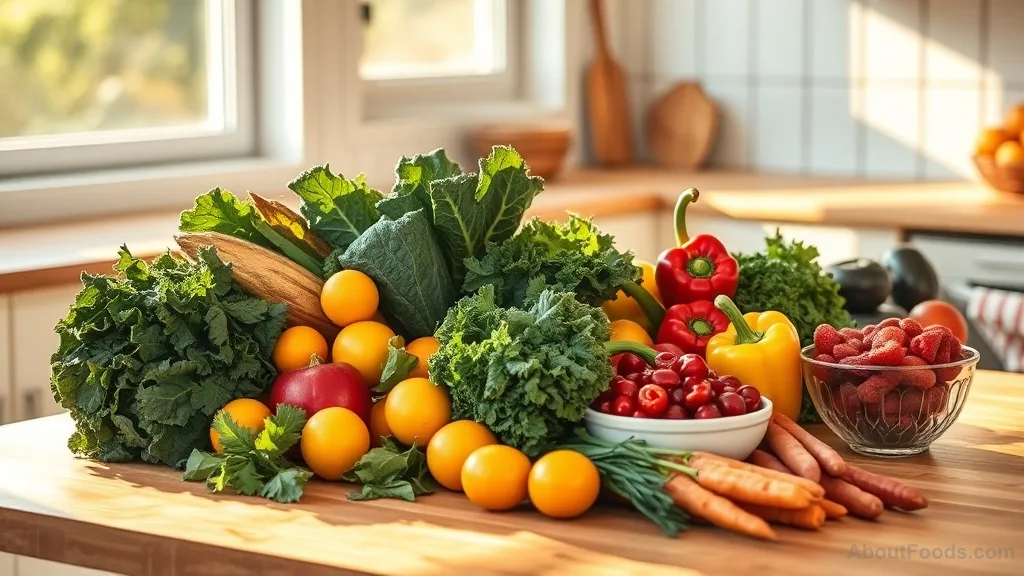
If the word 'vitamins' makes you think of complicated charts or expensive supplements, take a breath. This is a beginner's guide, not a chemistry lesson. Vitamins are simply the tiny helpers your body relies on to turn food into energy, keep your skin clear, your bones strong, and your mood steady. And the best part? You already have almost everything you need in your kitchen. Let’s slow down, look at what’s on your plate, and rediscover how beautifully simple it can be.
Vitamin A: For Eyes, Skin, and Immunity
Vitamin A is a fat-soluble vitamin that supports your vision, especially in low light, and helps your skin stay healthy. It also plays a role in immune function. You can find it in two forms: preformed vitamin A from animal sources (like eggs and dairy) and provitamin A carotenoids from plants—beta-carotene being the most famous. Think of it as the 'sunshine vitamin' for your skin and eyes.
A simple way to get more vitamin A? Roast sweet potato wedges with a drizzle of olive oil and a pinch of sea salt. Serve them alongside eggs or a spinach salad. That's it—no supplements required.
Vitamin C: The Immune-Boosting Star
Vitamin C might be the most famous of all. It's water-soluble, meaning your body doesn't store it, so you need a regular intake. It helps your body repair tissues, produce collagen (hello, glowing skin), and absorb iron from plant foods. And yes, it can help shorten the duration of a cold—though it won't prevent one.
One of my favorite habits: squeeze fresh lemon over almost everything—roasted vegetables, salads, even a glass of warm water. It's a tiny golden-hour ritual that brightens both the food and your nutrient intake.
Vitamin D: The Sunlight Nutrient (and Where to Find It in Winter)
Vitamin D is unique—our bodies can produce it when skin is exposed to sunlight. But for many of us, especially during colder months or if we live in northern latitudes, food sources become crucial. Vitamin D helps regulate calcium absorption, keeping bones strong, and supports immune health.
A simple lunch: a tin of sardines on whole-grain toast with a squeeze of lemon, and a side salad of mixed greens. It's quick, affordable, and brimming with vitamin D and calcium. Let the golden hour light fall on your plate—it's a moment to savor.
The B Vitamins: Your Energy Team
The B vitamins are a group of eight that work together to convert food into energy, support brain function, and produce red blood cells. They include B1 (thiamine), B2 (riboflavin), B3 (niacin), B5 (pantothenic acid), B6, B7 (biotin), B9 (folate), and B12. Most are water-soluble, so you need them regularly.
A warming bowl of lentil soup with a side of whole-grain bread provides a broad range of B vitamins. Enjoy it slowly, perhaps with a slice of lemon and a sprinkle of fresh herbs. Let the steam carry your worries away.
Vitamin E and Vitamin K: The Fat-Soluble Friends
Vitamin E is an antioxidant that protects cells from damage, and it's found in nuts, seeds, and vegetable oils. Vitamin K is crucial for blood clotting and bone health—think green leafy vegetables and some fermented foods. Both need a little dietary fat to be absorbed, so pair them wisely.
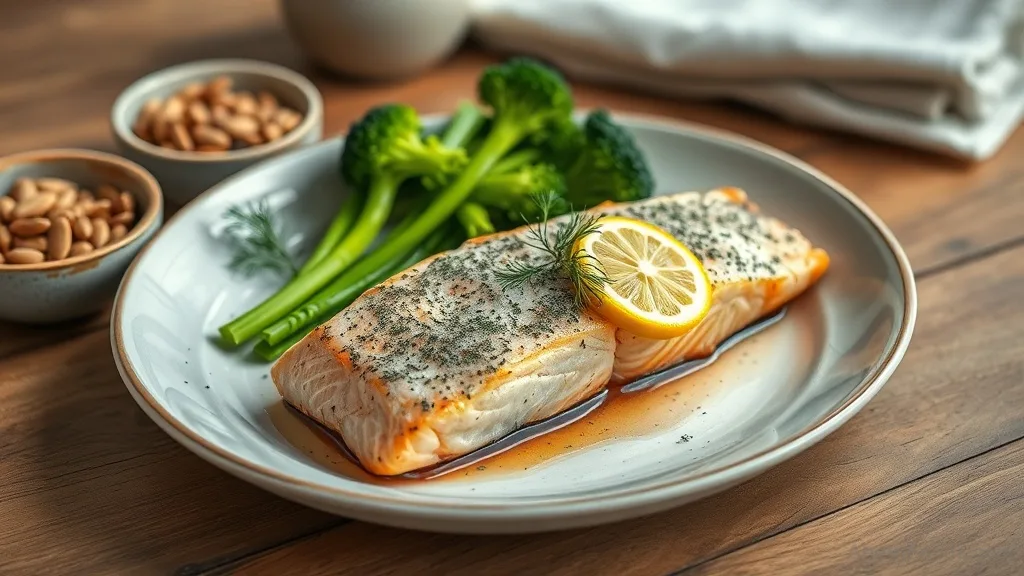
A simple evening salad: baby kale, roasted broccoli, toasted almonds, and a simple vinaigrette made with olive oil and lemon juice. It's a beautiful combination of vitamins E and K, and the fat from the oil and nuts helps you absorb both.
Common Mistakes Beginners Make (and How to Avoid Them)
Starting out can feel overwhelming, but a few small shifts can make a big difference.
Frequently Asked Questions
Do I need to take a multivitamin?
If you eat a balanced diet with plenty of fruits, vegetables, whole grains, lean proteins, and healthy fats, you likely don't need a multivitamin. Some people with specific deficiencies or dietary restrictions might benefit, but it's best to consult a healthcare provider first.
Can I get enough vitamins on a vegetarian or vegan diet?
Yes, with attention. Vitamin B12 is the main concern for vegans—found almost exclusively in animal products, so fortified foods or a supplement may be needed. Plant-based eaters can get plenty of other vitamins from a varied diet rich in fruits, vegetables, legumes, nuts, seeds, and whole grains.
Is it better to eat vitamins raw or cooked?
Both have benefits. Raw vegetables preserve water-soluble vitamins like C and some B vitamins, while cooking (especially steaming or roasting) can enhance the availability of some nutrients, like beta-carotene in carrots. Include a mix in your diet.
How do I know if I'm deficient?
Deficiency symptoms vary by vitamin. For example, vitamin D deficiency might cause fatigue or bone pain, while low B12 can lead to tiredness or tingling in hands and feet. If you suspect a deficiency, talk to a doctor for proper testing and guidance.
What's the most important vitamin to focus on?
No single vitamin is more important than others—they all play essential roles. The best approach is to eat a variety of whole foods to cover your needs naturally. If you're concerned about any specific vitamin, ask a healthcare professional for personalized advice.
A Final, Gentle Reminder
Learning about vitamins doesn't have to mean perfection or pressure. It's about returning to the kitchen, letting the golden light fall on a bowl of berries, and trusting that simple, real food is enough. Start with one thing: maybe swap your snack for an orange, add spinach to your eggs, or make a colorful salad. Little by little, you'll find your own way of eating that feels good and nourishes you from the inside out.
Rate this article
No ratings yet. Be the first to rate it.

Written by
Eleni Demetriou
Specialises in Greek cuisineEleni Demetriou runs a food blog called 'Olive My Love'. She photographs every meal for 20 minutes before eating.
Describe yourself in three words: Romantic, slow, loves golden hour.