Meal Planning
Best Foods and Habits to Support Better Meal Planning
Meal planning starts with smart food choices and daily habits. From shelf-stable staples to time-saving routines, here's how to set yourself up for a week of stress-free, nutritious eating.
Why Meal Planning Matters for Your Nutrition
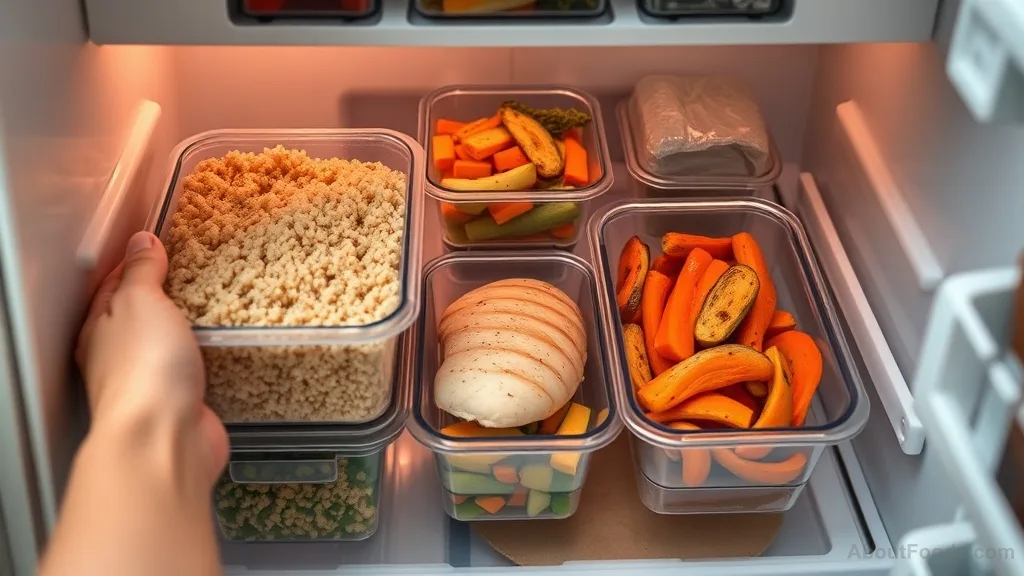
Listen, I love a good burger as much as the next guy. But if every meal is a last-minute decision, you're likely reaching for whatever's fastest — and that's rarely the best choice for your body. Meal planning isn't about rigid meal prepping for the whole week; it's about setting yourself up so you can eat well without thinking too hard. When you have a loose plan and the right foods on hand, you're more likely to hit your nutrition goals, save money, and actually enjoy what you're eating.
I'm Mason West, and I'm here to walk you through the foods and habits that make meal planning feel as natural as a Sunday afternoon BBQ. No complex systems, no weird ingredients — just real food and solid routines that work.
The Cornerstone Foods to Always Keep in Your Kitchen
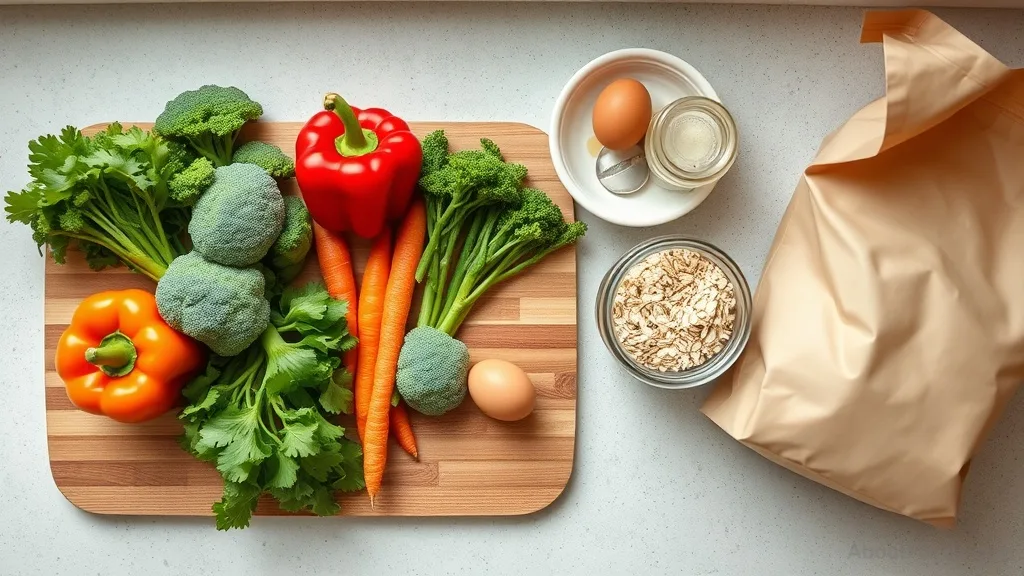
A good meal plan starts with a good pantry. Think of these ingredients as your reliable crew — they're versatile, long-lasting, and they get the job done. Stock up on these, and you can throw together a balanced meal in no time.
| Category | Foods | Why They Work |
|---|---|---|
| Whole Grains | Oats, brown rice, quinoa, whole-wheat pasta | Quick to cook, high in fiber, and pair with almost anything. |
| Protein | Canned beans, lentils, eggs, chicken breast, Greek yogurt | Keeps you full, supports muscle, and comes in convenient forms. |
| Vegetables (fresh + frozen) | Broccoli, spinach, bell peppers, frozen mixed veggies | Frozen means no waste; fresh adds crunch. Both provide key nutrients. |
| Healthy Fats | Olive oil, nuts, seeds, avocado | Adds flavor and helps absorb fat-soluble vitamins. |
| Pantry All-Stars | Canned tomatoes, broths, spices, vinegar | Build flavor fast without extra effort or cost. |
Habits That Make Meal Planning Effortless
Now that you've got the foods, let's talk habits. These aren't about being perfect — they're about making things easier so you actually stick with it. Here are my go-to practices:.
I've been doing this for years, and I still forget sometimes. That's okay. The point is to build a system that works for real life — not a Pinterest-perfect plan.
How to Build a Balanced Plate Without Overthinking
You don't need a nutrition degree to put together a good meal. Here's a simple formula I use: one serving of protein, one serving of carbs (preferably whole grains or starchy veggies), and a generous pile of non-starchy vegetables. Drizzle with some healthy fat, and you're golden.
Common Mistakes That Derail Meal Plans (And How to Avoid Them)
Even the best intentions can go sideways. I've fallen into every one of these traps at some point, so here's how to dodge them:.
Frequently Asked Questions About Meal Planning
Your First Week Meal Plan: A Simple Start
Don't overthink it. Here's a basic one-week plan using the foods and habits we've covered. Swap days around as needed, and don't worry if you have leftovers you need to use up.
| Day | Breakfast | Lunch | Dinner |
|---|---|---|---|
| Monday | Oatmeal with berries and almonds | Leftover grilled chicken wrap with veggies | Sheet pan chicken and roasted broccoli over quinoa |
| Tuesday | Greek yogurt with peach and a handful of nuts | Quinoa bowl with canned beans, corn, and salsa | Lentil soup with a side of whole-wheat bread |
| Wednesday | Scrambled eggs with spinach and toast | Soup leftovers | Pasta with marinara and turkey meatballs |
| Thursday | Oatmeal again — try it savory with an egg on top | Tuna salad on greens with crackers | Stir-fry frozen veggies and edamame with brown rice |
| Friday | Smoothie with spinach, banana, and yogurt | Leftover stir-fry | Homemade pizza on whole-wheat pita with veggies |
Rate this article
No ratings yet. Be the first to rate it.

Written by
Mason West
Specialises in American cuisineMason makes smash burgers on a flat top with grilled onions and American cheese. He is a patriot of the griddle.
Describe yourself in three words: Patriotic, greasy, onion-y.