Blood Sugar Balance
The Quiet Rhythm of Blood Sugar: Foods and Habits That Keep You Steady
Discover how simple, nature-inspired choices can help maintain balanced blood sugar levels throughout the day. This guide focuses on practical foods and sustainable habits rooted in Scandinavian sensibility.
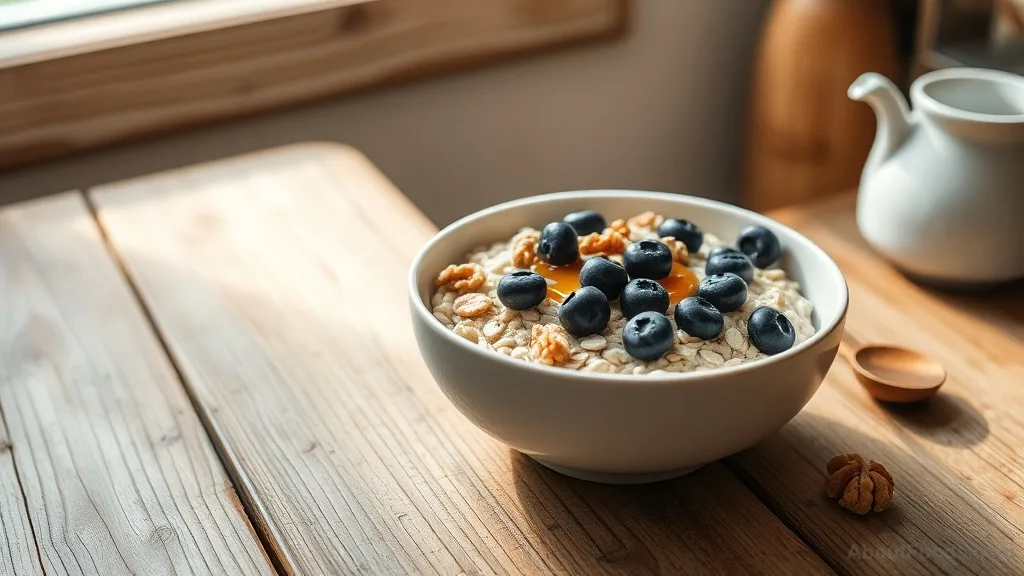

The Northern Approach to Steady Energy
In the Scandinavian forests where I find my quiet, there's a rhythm to everything—the slow growth of pine, the patient flow of rivers, the steady pulse of life beneath winter snow. Blood sugar balance works much the same way. It's not about dramatic peaks and valleys, but about maintaining a consistent, reliable flow of energy throughout your day. When your blood sugar stays within a healthy range, you think more clearly, have sustained energy, and avoid those mid-afternoon crashes that make you reach for quick fixes.
This isn't about restrictive diets or complicated calculations. It's about understanding how different foods affect your body's energy systems and making choices that support rather than disrupt your natural rhythms. Think of it as tending a fire—you want steady, consistent warmth, not roaring flames that quickly die to ashes.
Foods That Work With Your Body
The foundation of blood sugar balance begins with what you put on your plate. Certain foods have a gentler effect on blood sugar levels, providing sustained energy without dramatic spikes. These aren't exotic or expensive ingredients—they're the simple, wholesome foods that have sustained northern cultures for generations.
- Whole grains like oats
- rye
- and barley release energy slowly
- Legumes including lentils
- chickpeas
- and beans provide protein and fiber
- Non-starchy vegetables like leafy greens
- broccoli
Notice what these foods have in common: they're minimally processed, rich in fiber or protein, and come from nature rather than factories. When you build meals around these ingredients, you're giving your body what it needs to maintain equilibrium.
The Plate Method: A Practical Framework
You don't need to count grams or memorize glycemic indexes to eat well. The plate method offers a visual guide that works for any meal. Imagine your plate divided into sections, each serving a specific purpose in maintaining balance.
| Plate Section | What Goes Here | Why It Matters |
|---|---|---|
| Half the plate | Non-starchy vegetables (leafy greens, broccoli, peppers, mushrooms) | Provides fiber, vitamins, and minerals with minimal impact on blood sugar |
| Quarter of the plate | Quality protein (fish, poultry, legumes, tofu) | Slows digestion and helps maintain steady energy levels |
| Quarter of the plate | Complex carbohydrates (whole grains, starchy vegetables) | Provides sustained energy release throughout digestion |
| Small addition | Healthy fats (avocado, nuts, olive oil) | Further slows digestion and supports nutrient absorption |
This isn't a rigid formula but a flexible framework. Some days your protein portion might be larger, other days you might want more vegetables. The key is balance—ensuring each meal contains elements that work together to prevent rapid blood sugar fluctuations.
Timing Matters: The Rhythm of Eating
In the north, we understand that timing is everything—when to plant, when to harvest, when to rest. The same principle applies to eating for blood sugar balance. It's not just what you eat, but when and how you eat it.
Skipping meals might seem efficient, but it often backfires. When you go too long without eating, your blood sugar drops, leading to cravings and potentially overeating at your next meal. Regular, balanced eating maintains that steady rhythm your body prefers.
Common Pitfalls and How to Avoid Them
Even with good intentions, it's easy to stumble into habits that disrupt blood sugar balance. Recognizing these common mistakes is the first step toward avoiding them.
Remember that perfection isn't the goal. An occasional treat won't undo weeks of balanced eating. The objective is consistency in your daily patterns, not rigidity in every single choice.
Beyond Food: Supporting Habits
Food is central to blood sugar balance, but it doesn't work in isolation. Other daily habits either support or undermine your nutritional efforts. Think of these as the context in which your food choices exist.
- Regular movement: Even gentle walking after meals can improve insulin sensitivity
- Adequate sleep: Poor sleep disrupts hormones that regulate hunger and blood sugar
- Stress management: Chronic stress elevates cortisol
- which can raise blood sugar
- Hydration: Water supports all bodily functions
- including glucose metabolism
These aren't separate tasks to check off a list, but interconnected elements of a balanced life. A short walk after dinner serves multiple purposes—it aids digestion, reduces stress, and supports blood sugar regulation. Similarly, preparing a simple meal can be both nutritional planning and mindfulness practice.
Simple Starts: Where to Begin
If this feels overwhelming, begin with one change. Lasting habits form through consistent small actions, not dramatic overhauls. Choose one area to focus on this week, master it, then add another.
Progress might feel slow at first, like watching ice melt in spring. But consistent small changes accumulate into significant shifts in how you feel throughout the day. The goal isn't perfection by tomorrow, but steady improvement over time.
Questions About Blood Sugar Balance
Do I need to eliminate all sugar?
No. Natural sugars in whole fruits and some dairy are part of a balanced diet. The focus should be on minimizing added sugars in processed foods and beverages while enjoying whole foods in reasonable portions.
How quickly will I notice changes?
Most people notice improved energy levels within a few days to a week. More significant metabolic changes develop over weeks and months of consistent habits. Patience yields better results than urgency.
Are sweeteners like honey or maple syrup better than white sugar?
While these contain trace nutrients, they still affect blood sugar. Use them sparingly as occasional flavor enhancers rather than daily staples. The sweetness of whole fruits is generally preferable.
What about intermittent fasting for blood sugar control?
Some research suggests potential benefits, but it's not suitable for everyone. If you're considering fasting approaches, start gradually and pay attention to how your body responds. Regular balanced meals work well for most people.
Can exercise replace dietary changes?
Physical activity supports blood sugar balance but doesn't replace nutritional choices. Both work together—movement improves insulin sensitivity while balanced eating provides the right fuel.
Rate this article
No ratings yet. Be the first to rate it.

Written by
Anders Lindberg
Specialises in Scandinavian cuisineAnders is a forager who puts lingonberries on everything, including pizza. His neighbors have filed a complaint.
Describe yourself in three words: Stoic, nature-obsessed, quietly intense.