Macros
The Quiet Art of Better Macros: Foods and Habits That Nourish Without Counting
Learn how to support better macronutrient balance through simple, delicious foods and mindful habits. Discover practical ways to nourish your body without obsessive tracking or restrictive diets.
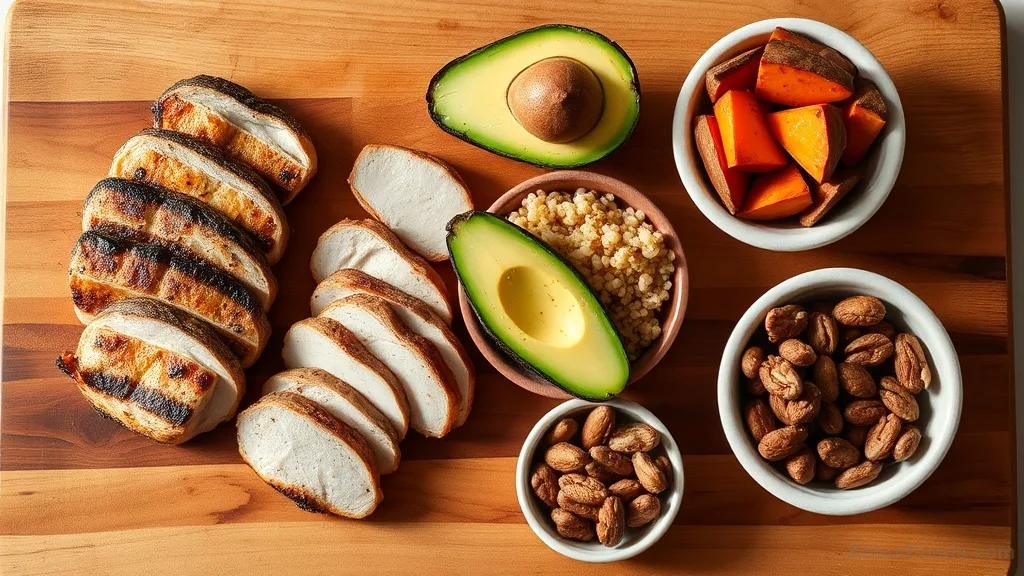
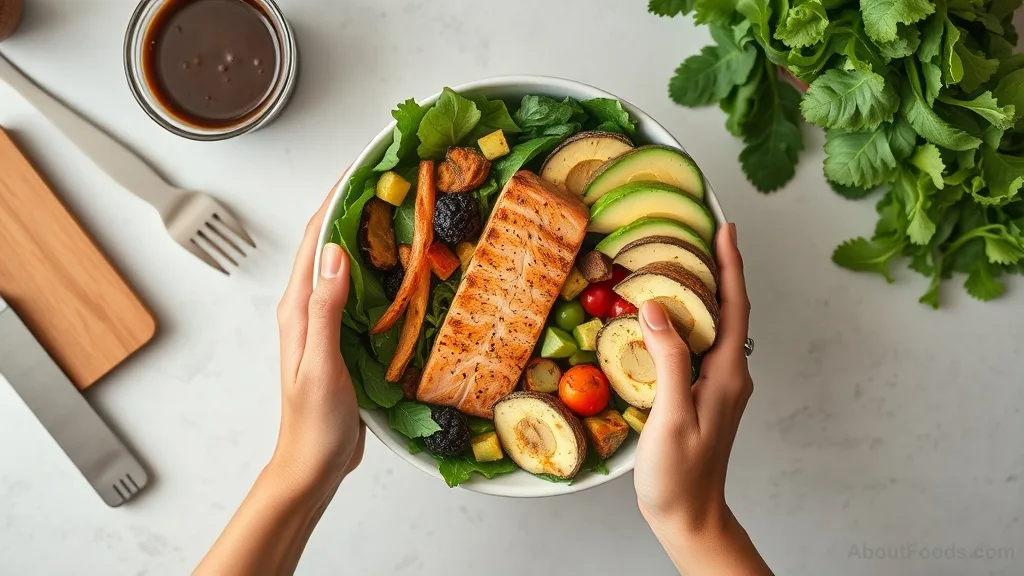
The Whispered Wisdom of Macros
In my grandmother's kitchen in Yangon, we never spoke of 'macros' or counted grams. Yet every meal was perfectly balanced—protein from the river fish, energy from the rice, nourishment from the vegetables cooked in golden oil. This is the secret I carry: better macros aren't about numbers on an app, but about understanding the quiet language of food. Macronutrients—protein, carbohydrates, and fats—are simply the building blocks our bodies need to thrive. When we learn to listen to what our food offers, we nourish ourselves completely without the noise of constant calculation.
Think of it as learning a recipe passed down through generations. You don't measure each spice with scientific precision once you know how it should taste. With macros, once you understand which foods provide what your body needs, you can create balance intuitively. This guide will show you how to support better macros through simple foods and habits that feel natural, sustainable, and yes—delicious.
Protein: The Quiet Foundation
Protein builds and repairs—it's the foundation stone of every meal. But you don't need giant steaks or chalky shakes. Think instead of the varied proteins that have sustained cultures for centuries.
- **Animal proteins that speak softly**: Eggs (the complete protein)
- chicken breast
- fish like salmon or mackerel
- Greek yogurt. These provide all essential amino acids without overwhelming your plate.
- **Plant proteins with ancient wisdom**: Lentils
- chickpeas
- black beans
- tofu
A simple habit: Include a protein source in every meal. Not a massive portion—just a palm-sized serving. Your body will thank you with sustained energy and satisfaction that lasts hours, not minutes.
Fats: The Golden Secret
In Burmese cooking, oil isn't just for cooking—it's for nourishing. Healthy fats are the golden thread that ties a meal together, providing energy, supporting cell health, and helping absorb vitamins. But like any secret ingredient, quality matters more than quantity.
| Type | Best Sources | How to Use |
|---|---|---|
| Monounsaturated | Avocado, olive oil, almonds, peanuts | Drizzle on vegetables, add to salads, snack on handfuls |
| Polyunsaturated | Salmon, walnuts, flaxseeds, sunflower seeds | Include 2-3 times weekly, sprinkle on meals |
| Saturated (in moderation) | Coconut oil, butter, full-fat dairy | Use for cooking when flavor matters, not as primary fat |
Common mistake: Avoiding all fats. Your brain is nearly 60% fat—it needs quality sources to function. Instead of fearing fat, learn which ones to embrace. A thumb-sized portion of healthy fat per meal is usually sufficient.
Carbohydrates: The Sustaining Energy
Rice sustained my ancestors through long days in the fields. Carbohydrates are our primary energy source, but modern eating has confused simple sugars with complex nourishment. The secret lies in choosing carbohydrates that release energy slowly, like the steady glow of embers rather than a flash of flame.
A sustainable habit: Make half your plate vegetables at lunch and dinner. You'll naturally get quality carbohydrates while maximizing nutrient intake. For grains, choose whole versions most of the time—they digest more slowly and keep you satisfied longer.
The Balanced Plate: A Visual Guide
You don't need a food scale to create balance. Use your plate as your guide—it's the most intuitive tool you already own.
This method works because it's visual and adaptable. Having company? The proportions stay the same, just multiply. Eating out? Visualize the plate beneath what's served. After a few weeks, this becomes second nature—you'll assemble balanced meals without conscious thought.
Habits That Support Balance Naturally
Better macros emerge from daily habits, not perfect meals. These small practices create consistency where willpower fails.
- **Shop the perimeter**: Most whole foods live on the outer edges of grocery stores—produce
- meat
- dairy. Center aisles contain more processed options.
- **Batch cook proteins**: Grill chicken breasts
- roast a salmon filet
- cook lentils in advance. Having ready protein makes balanced meals effortless.
- **Listen to hunger
- not clocks**: Eat when genuinely hungry
These habits create a foundation where balanced macros happen naturally. You're not forcing anything—you're creating an environment where your body receives what it needs without struggle.
Common Questions About Macros
Do I need to track my macros to eat well?
Not necessarily. While tracking can be educational initially, the goal is to develop intuitive eating habits. The plate method and whole food focus often achieve better long-term results without the mental burden of constant tracking.
What if I'm vegetarian or vegan?
Plant-based eating can provide excellent macro balance. Combine different protein sources throughout the day (like rice and beans), include healthy fats from avocados and nuts, and focus on whole food carbohydrates. Plant proteins may require slightly larger portions for equivalent protein content.
How do I handle snacks while supporting good macros?
Think of snacks as mini-meals: include at least two macronutrients. Apple slices with almond butter, Greek yogurt with berries, or vegetables with hummus all provide balanced energy between meals.
What's the biggest mistake people make with macros?
Focusing on one macronutrient while neglecting others. Extremely low-fat or low-carb diets often create imbalances. All three macronutrients serve essential functions—the art is in their proportion, not elimination.
How long until I notice differences?
Energy levels often improve within days, while body composition changes may take weeks. Consistency with whole foods and balanced plates creates gradual, sustainable changes rather than dramatic overnight shifts.
The Final Secret: Your Body Knows
My grandmother never measured, yet her hands knew exactly how much of each ingredient to add. Your body has similar wisdom—it signals hunger, satisfaction, and energy needs. Better macros begin when you listen to these signals while providing quality building blocks.
Start simply: choose whole foods, use the plate method, and practice the habits that feel sustainable for you. The numbers matter less than the nourishment. As the sun sets over the Irrawaddy River, I remember that the best meals weren't calculated—they were balanced by instinct, tradition, and love for those who would eat them. Your journey to better macros can carry that same gentle wisdom.
Rate this article
No ratings yet. Be the first to rate it.

Written by
Thiri Tun
Specialises in Burmese cuisineThiri is a tea leaf salad master who ferments her own tea leaves in a clay pot. She will not tell you the recipe.
Describe yourself in three words: Mysterious, secretive, delicious.