Vitamins
Nourish Your Body: Smart Foods and Daily Habits for Better Vitamin Absorption
Getting enough vitamins isn't just about what you eat—it's about how you eat. Discover practical, Malaysian-inspired foods and simple habits that help your body absorb vitamins more effectively. From pairing ingredients to timing your meals, learn how to make every bite count.
Why Absorption Matters More Than You Think
Hello, I'm Aisha—and if there's one thing my Malaysian upbringing taught me, it's that food is medicine, but only if your body can use it properly. You might be eating all the right vitamin-rich foods, yet still not reaping the full benefits. That's because absorption is key. Vitamins need the right partners, timing, and conditions to work effectively in your body. Think of it like making the perfect sambal: every ingredient must harmonize to create that fiery, balanced flavor. In this guide, I'll share practical, grounded strategies to help your vitamins shine.
Smart Food Pairings for Maximum Nutrient Uptake
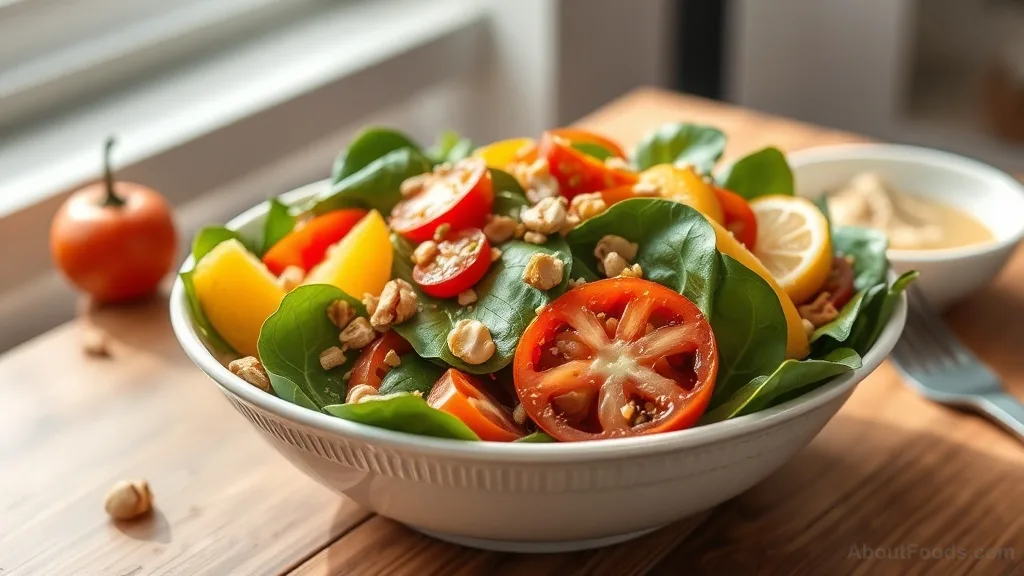
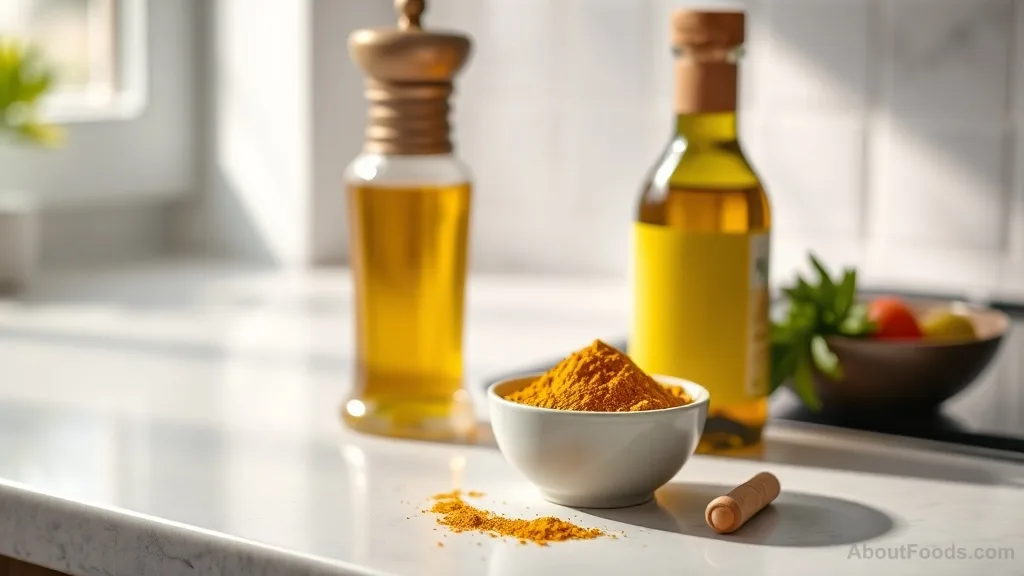
In Malaysian cooking, we instinctively combine ingredients that enhance each other—like pairing turmeric with black pepper. Apply this wisdom to boost vitamin absorption. For example, fat-soluble vitamins (A, D, E, K) need healthy fats to be absorbed. Add a drizzle of olive oil to your spinach salad or include avocado with your carrots. Similarly, vitamin C dramatically improves iron absorption from plant sources. Toss some citrus slices into your lentil curry or enjoy a tomato-based sauce with greens.
- Vitamin D + Healthy Fats: Enjoy fatty fish like salmon with a side of sautéed vegetables in coconut oil.
- Iron + Vitamin C: Combine spinach with bell peppers or squeeze lime over your bean dishes.
- Curcumin + Piperine: Use turmeric with a pinch of black pepper in curries or golden milk.
Daily Habits That Support Vitamin Efficiency
Absorption isn't just about what's on your plate—it's about how you live. Small, consistent habits can make a big difference. Start with meal timing: eating regular, balanced meals helps maintain steady nutrient levels. Avoid drinking strong tea or coffee right after meals, as tannins can interfere with iron absorption. Instead, opt for water or herbal infusions. Also, consider lightly cooking certain vegetables; steaming tomatoes, for instance, can increase lycopene availability.
Common Mistakes and How to Avoid Them
Even with good intentions, it's easy to slip up. One common mistake is over-relying on supplements without focusing on whole foods. Whole foods provide a complex matrix of nutrients that work together—something pills can't fully replicate. Another pitfall is excessive processing; blending smoothies for too long or overcooking vegetables can degrade heat-sensitive vitamins like vitamin C. Keep it simple: chop veggies just before cooking and enjoy a mix of raw and cooked produce.
Also, don't forget about gut health. A diverse microbiome aids in vitamin synthesis and absorption. Include fermented foods like yogurt or tempeh in your diet, and eat a variety of fiber-rich plants. Remember, perfection isn't the goal—consistency is. Start with one or two changes, like adding a squeeze of lime to your meals, and build from there.
FAQ: Your Vitamin Questions Answered
Can I get enough vitamins from food alone?
For most people, a varied, balanced diet rich in whole foods provides adequate vitamins. Focus on colorful fruits, vegetables, whole grains, lean proteins, and healthy fats. Supplements can help in specific cases, but they're not a substitute for real food.
How does cooking affect vitamin content?
Cooking can reduce some water-soluble vitamins (like vitamin C) but increase the availability of others (like lycopene in tomatoes). Use gentle methods like steaming or quick sautéing, and include both raw and cooked produce in your diet.
What are the best sources of fat-soluble vitamins?
Vitamin A: sweet potatoes, carrots, spinach. Vitamin D: fatty fish, egg yolks, fortified foods. Vitamin E: nuts, seeds, spinach. Vitamin K: leafy greens, broccoli, fermented foods. Pair these with healthy fats for better absorption.
How can I improve vitamin absorption if I have digestive issues?
Focus on easily digestible foods, chew thoroughly, and consider smaller, more frequent meals. Probiotic-rich foods like yogurt may support gut health. If issues persist, consult a healthcare professional for personalized advice.
Rate this article
No ratings yet. Be the first to rate it.

Written by
Aisha Ismail
Specialises in Malaysian cuisineAisha is a nasi lemak specialist who renders her own coconut milk. She once cried when a reviewer asked for less sambal.
Describe yourself in three words: Sensitive, perfectionist, fiery sambal.