Meal Planning
Common Meal Planning Mistakes That Can Hold You Back
Avoid these frequent meal planning pitfalls that can sabotage your nutrition goals. Learn practical strategies to create sustainable, nourishing meal plans that fit your lifestyle, inspired by gentle Vietnamese kitchen wisdom.
The Gentle Art of Nourishment Planning
I remember my grandmother in Hanoi, moving through her kitchen with a quiet rhythm that felt like a meditation. She never wrote anything down, yet every meal appeared as if by magic—balanced, nourishing, and perfectly timed. When I first tried meal planning in my own kitchen, I approached it with spreadsheets and military precision, only to find myself exhausted and abandoning the plan by Wednesday. Like many people, I made mistakes that turned what should be a gentle practice into a source of stress. Meal planning, at its heart, isn't about control or perfection. It's about creating space for nourishment in our busy lives. Let's walk through the common pitfalls that can hold you back, and how to avoid them with the same gentle wisdom that guided generations in Vietnamese kitchens.
Mistake 1: Planning Meals That Don't Fit Your Real Life
The most common mistake I see is creating elaborate meal plans that ignore your actual schedule, energy levels, and cooking skills. Planning seven gourmet dinners when you work late three nights a week sets you up for failure. Instead, start by looking at your week realistically. Which days are busy? When do you have more time to cook? Be honest about what you enjoy cooking and eating. A meal plan should serve your life, not become another chore. Like my grandmother adjusting her recipes based on what the market offered that day, flexibility is key. Plan simpler meals for busy days—think sheet-pan dinners, one-pot meals, or repurposing leftovers. Save more involved recipes for days when cooking feels like a joy rather than a task.
- Audit your weekly schedule before planning meals
- Match meal complexity to your available time and energy
- Include at least 2-3 quick-prep meals (under 30 minutes)
- Plan for leftovers intentionally—cook once
- eat twice
Mistake 2: Ignoring Nutritional Balance
Another common pitfall is focusing only on dinner or creating plans that lack nutritional variety. Traditional Vietnamese meals naturally achieve balance—a little protein, plenty of vegetables, some rice, and always fresh herbs. When planning, aim for each meal to include: protein (like fish, tofu, eggs, or legumes), vegetables (aiming for different colors), and a satisfying carbohydrate (rice, noodles, or potatoes). Don't forget about snacks and breakfast! Planning only dinner leaves other meals to chance, often leading to less nutritious choices. Think of your week as a whole: if you have chicken Monday, try fish Tuesday, lentils Wednesday. Rotate your vegetables so you get different nutrients throughout the week.
| Meal Component | Examples | Weekly Goal |
|---|---|---|
| Protein | Salmon, tofu, chicken, eggs, lentils | Vary sources daily |
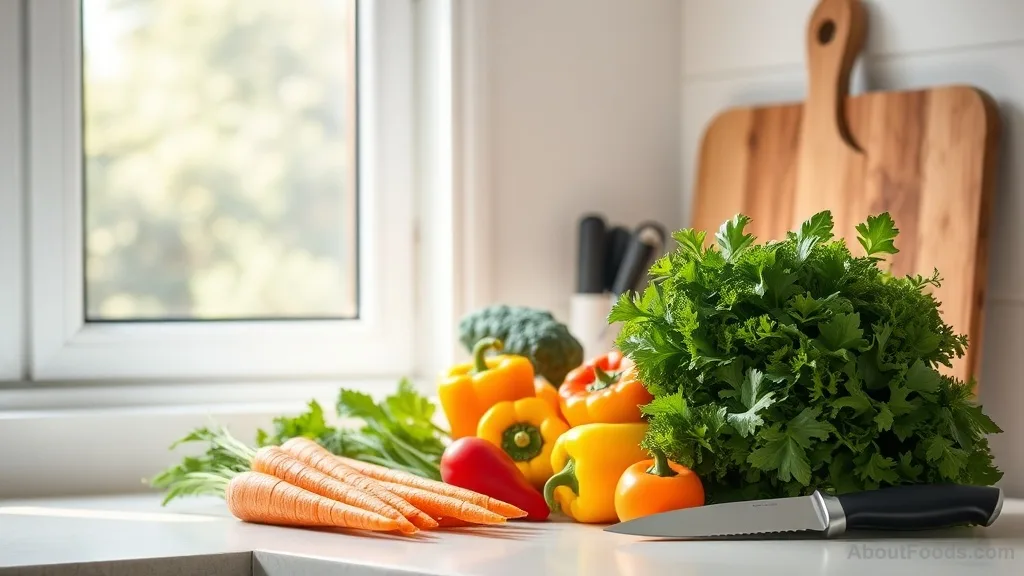
| Vegetables | Leafy greens, bell peppers, carrots, broccoli | Different colors each day |
| Carbohydrates | Rice, quinoa, sweet potatoes, whole grain bread | Include at each meal |
| Healthy fats | Avocado, nuts, olive oil, sesame oil | Moderate amounts daily |
Mistake 3: Overbuying and Food Waste
Walking through a grocery store, everything looks appealing, especially when we're hungry. But buying without a plan leads to spoiled produce and wasted money—something that would make my frugal grandmother sigh. The solution starts before you shop. Create a detailed grocery list based exactly on your meal plan, checking what you already have. Be realistic about quantities: how much lettuce will you actually use before it wilts? Consider shelf life when planning: use fresh herbs and delicate greens early in the week, save heartier vegetables for later. And remember, frozen vegetables and fruits are just as nutritious and prevent waste. They're like a gentle safety net for busy weeks.
Mistake 4: No Room for Flexibility
Rigid meal plans break when life happens—unexpected guests, changed plans, or simply not craving what you planned. The Vietnamese kitchen tradition embraces improvisation: a little more of this, a substitution of that, based on what's available and what feels right. Build flexibility into your plan. Designate one or two 'flex meals' each week that can move to different days. Keep pantry staples that allow for quick meals: eggs, canned tomatoes, rice, noodles, basic spices. When you don't feel like cooking your planned meal, it's okay to swap days or make something simpler. The goal is nourishment, not perfection. A plan that can bend won't break.
- Include 1-2 flexible meal slots weekly
- Maintain basic pantry staples for quick meals
- Allow yourself to swap planned meals between days
- Have backup simple recipes for low-energy days
Mistake 5: Forgetting About Preparation Time
We often plan what to cook but not when to prep. Chopping vegetables, marinating proteins, or cooking grains in advance can transform a stressful dinner rush into a peaceful cooking experience. In Vietnamese kitchens, preparation is part of the rhythm—vegetables washed and cut, herbs picked, sauces mixed before cooking begins. Schedule 1-2 hours weekly for batch preparation. Wash and chop vegetables for the week. Cook a pot of rice or quinoa to use in multiple meals. Marinate proteins so they're ready to cook. This doesn't mean you need to prep every ingredient in advance, but tackling the most time-consuming tasks ahead makes weeknight cooking feel manageable, like the gentle preparation my grandmother did each morning before the day's cooking began.
Mistake 6: Not Considering Taste and Enjoyment
Nutritional value matters, but so does enjoyment. If you don't like what you're eating, you won't stick to any plan. Vietnamese cuisine teaches us that food should delight the senses—the aroma of caramelized fish sauce, the crunch of fresh herbs, the balance of sweet, salty, sour, and umami. When planning, include foods you genuinely enjoy. If you hate kale, don't force yourself to eat it daily. Find vegetables you like. Incorporate flavors you love. Allow for occasional treats—my grandmother always had a little sweet something after meals. A sustainable meal plan includes both nourishment and pleasure, creating a relationship with food that feels abundant rather than restrictive.
Think about textures and flavors throughout the week. If you have a creamy soup Monday, maybe include a crunchy salad Tuesday. If you enjoy spicy food, plan a meal that incorporates those flavors. Your meal plan should reflect your personal tastes while gently encouraging nutritional balance. This approach makes healthy eating feel natural and sustainable, much like the way traditional meals evolved to please both palate and body.
Putting It All Together: A Gentle Approach
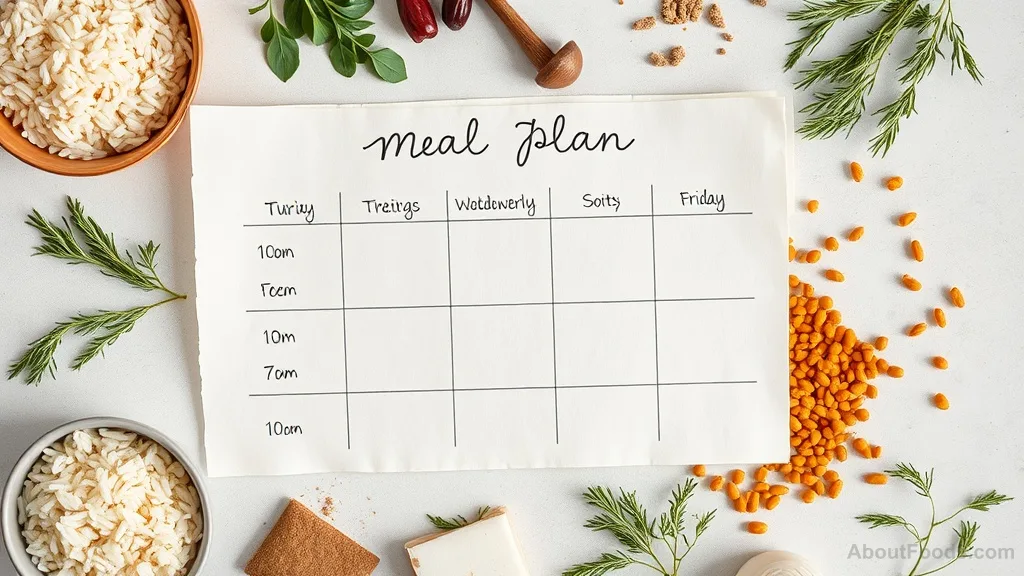
Meal planning, done well, should feel like the rhythm of my grandmother's kitchen—intentional but flexible, nourishing but pleasurable, structured but adaptable. Start small. Plan just three dinners for your first week. Make a detailed grocery list. Schedule one preparation session. Notice what works and what doesn't. Adjust. Like any skill, it gets easier with practice. Remember that the goal isn't perfection—it's creating more space in your life for wholesome, satisfying meals that support your wellbeing. When you approach meal planning with this gentle mindset, it transforms from a chore into a form of self-care, a way to nourish yourself and those you feed with intention and love.
- Start with planning just 3 meals your first week
- Create a detailed grocery list before shopping
- Schedule one weekly preparation session
- Review what worked each week and adjust
- Be kind to yourself when plans change—flexibility is strength
Meal Planning Questions Answered
How far in advance should I plan meals?
Start with one week at a time. This is manageable for most people and aligns with typical grocery shopping cycles. As you get more comfortable, you might plan two weeks, but weekly planning offers good flexibility.
What if I don't know how to cook many recipes?
Start with just 3-4 simple recipes you enjoy and rotate them. Gradually add one new recipe every week or two. Meal planning is actually a great way to build cooking skills gradually without overwhelm.
How do I account for different family preferences?
Include elements that everyone enjoys while allowing for customization. For example, serve a grain bowl with various toppings so each person can choose what they like. Or plan meals where components can be easily modified.
Is meal planning expensive?
It can actually save money by reducing food waste and impulse purchases. Planning around seasonal produce and sales, incorporating affordable proteins like legumes and eggs, and using pantry staples keeps costs manageable.
What's the best day to do meal planning?
Choose a day when you have a little quiet time—often Sunday afternoon works well. But any consistent day that fits your schedule is fine. The consistency matters more than the specific day.
How detailed should my plan be?
Detailed enough to guide your grocery shopping and preparation, but flexible enough to adapt. Include main meals and snacks, but don't feel you need to plan every bite. Leave room for spontaneity and appetite changes.
Rate this article
No ratings yet. Be the first to rate it.
Written by
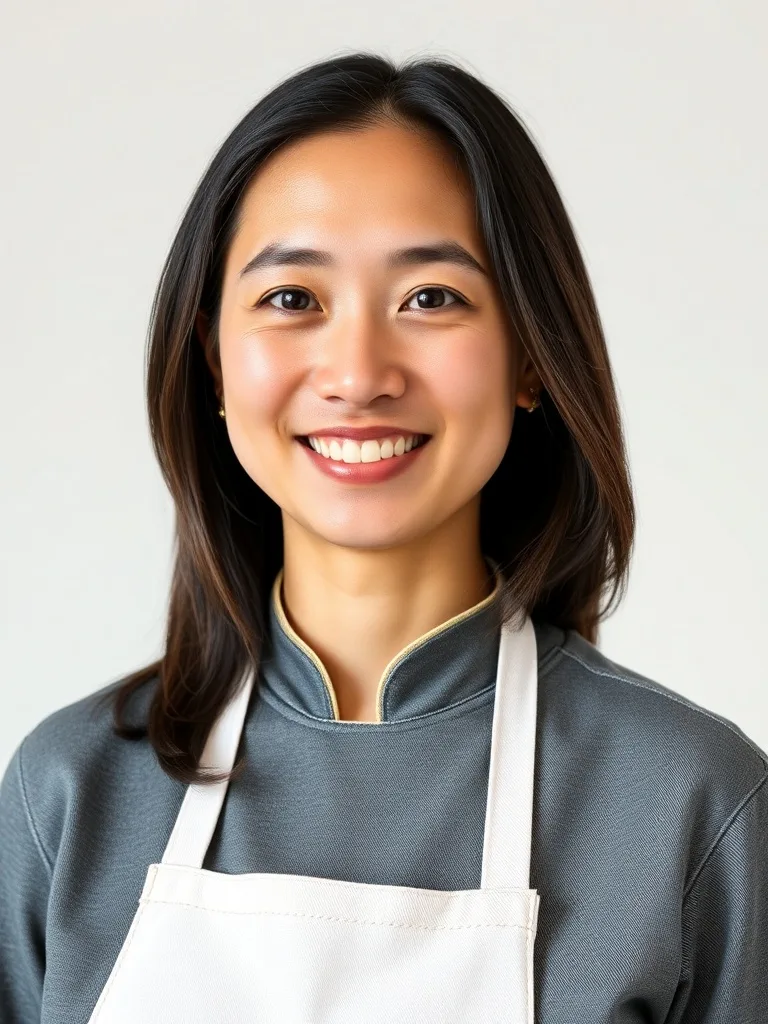
Linh Tran
Specialises in Vietnamese cuisineLinh Tran makes ca kho (caramelized fish) in a clay pot that has been in her family for 60 years.
Describe yourself in three words: Nostalgic, gentle, caramel smell.