Sports Nutrition
6 Common Sports Nutrition Mistakes That Are Holding You Back (And How to Fix Them)
Avoid these frequent sports nutrition pitfalls to fuel better, recover faster, and actually see progress—whether you run, lift, or just want more energy for daily life.

You Eat Too Little for Your Activity Level
One of the biggest mistakes I see—especially among people starting a new workout routine—is drastically cutting calories. The idea is: "I'm exercising now, so I need to eat less to lose weight." But here's the thing: your body needs fuel to perform, repair, and adapt. Under-eating can leave you feeling weak, dizzy, and irritable. It can also slow down your metabolism over time.
Instead of slashing calories, aim for a moderate deficit (if weight loss is your goal) and prioritize nutrient-dense foods. Make sure you're eating enough carbohydrates for energy, protein for muscle repair, and healthy fats for hormone function. A good starting point is to eat at least your body weight in grams of carbohydrates per day if you're active.
- Calculate your maintenance calories and reduce by no more than 300-500 calories per day.
- Include a source of carbs at every meal
- like oats
- brown rice
- or sweet potatoes.
- Don't skip meals before or after workouts—you need the energy and recovery.
You Ignore Pre-Workout Fueling
Rolling into a workout on an empty stomach? That might work for a gentle morning walk, but for anything more intense—think HIIT, heavy lifting, or a long run—your body needs some glycogen. Without fuel, your performance will tank, and you'll burn muscle instead of fat.
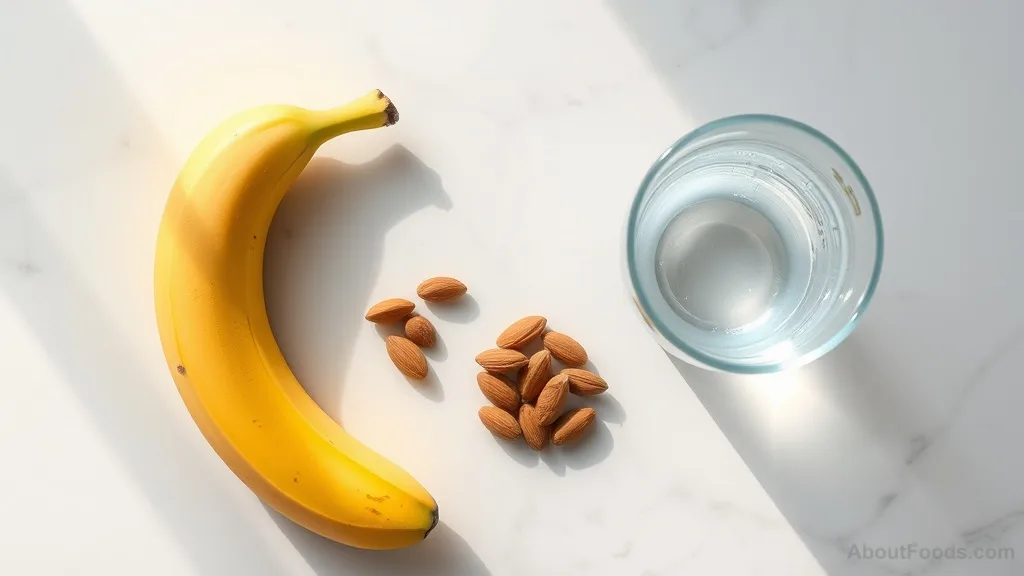
A small, carb-rich snack 30-60 minutes before exercise can make a huge difference. Something like a banana, a slice of toast with jam, or a handful of dates works well. Avoid high-fat or high-fiber foods too close to exercise, as they can cause digestive discomfort.
| Timing | Snack Idea | Why It Works |
|---|---|---|
| 30-60 min before | Banana + 1 tbsp almond butter | Simple carbs + a little fat for satiety |
| 15-30 min before | 1/2 cup grapes or apple sauce | Quick-digesting carbs for instant energy |
| 2-3 hours before | Oatmeal with berries | Sustained energy from complex carbs |
You Forget About Post-Workout Nutrition
Many people finish a workout, shower, and go about their day without eating. But that's when your muscles are crying out for nutrients. The post-exercise window (ideally within 30-60 minutes) is prime time to refuel with protein and carbohydrates. This helps replenish glycogen stores and repairs muscle tissue.
You don't need a fancy shake—a simple meal like grilled chicken with rice, a tuna sandwich, or a smoothie with milk and fruit will do. Aim for about 20-30 grams of protein and a 2:1 ratio of carbs to protein.
You Drink Too Little Water (Or Too Much)
Hydration is a balancing act. Not enough water leads to fatigue, cramps, and reduced performance. But drinking too much plain water without electrolytes can also be problematic, especially during long, sweaty sessions. You lose not just water but also sodium, potassium, and other minerals through sweat.
For most people, sipping water throughout the day and drinking about 1-2 cups before exercise is a good start. During exercise, drink to thirst—no need to force it. For sessions longer than an hour, consider an electrolyte drink or a pinch of salt in your water.
You Rely Too Heavily on Supplements
It's tempting to think that a pre-workout powder or a handful of BCAAs will make you superhuman. But supplements are exactly that—supplementary. They can't replace a solid diet. Real food provides a complex matrix of nutrients that work together in ways that isolated supplements can't match.
Start with whole foods first: lean meats, fish, eggs, legumes, whole grains, fruits, vegetables, nuts, and seeds. If you have a specific deficiency or a practical need (like a protein shake after a workout when you can't eat), then supplements can be useful. But don't let them become the foundation of your nutrition.
- Food first
- supplements second.
- If you use protein powder
- choose one with minimal ingredients.
- Avoid proprietary blends
- you want to know exactly what you're taking.
Your Meal Timing Is Inconsistent
Your body craves routine. When you eat at erratic times—skipping breakfast, then having a huge dinner, or going too long between meals—your energy levels and performance can suffer. Consistent meal timing helps regulate blood sugar, keeps hunger in check, and ensures you're properly fueled for workouts.
Aim to eat every 3-4 hours, with a mix of protein, carbs, and fats at each meal. Structure your day around your workout: a pre-workout snack, a post-workout meal, and then regular meals. It doesn't have to be rigid, but having a general schedule can make a big difference.
| Time | Meal/Snack | Focus |
|---|---|---|
| 7 AM | Breakfast: oatmeal + eggs + berries | Sustained energy |
| 10 AM | Snack: apple + nuts | Keep blood sugar stable |
| 12:30 PM | Lunch: quinoa salad + chicken | Midday fuel |
| 3 PM | Pre-workout: banana | Quick carbs |
| 5 PM | Post-workout: protein shake + toast | Recovery |
| 7 PM | Dinner: salmon + sweet potato + greens | Repair and overnight recovery |
Rate this article
No ratings yet. Be the first to rate it.

Written by
Dawit Tesfaye
Specialises in Ethiopian cuisineDawit makes doro wat with berbere and a hard-boiled egg. He uses clarified butter spiced with rosemary.
Describe yourself in three words: Spicy, buttery, egg-topped.