Fiber And Gut Health
Fiber and Gut Health: What It Does in Your Body and Why It Matters
Fiber does more than keep you regular—it feeds your gut microbiome, supports heart health, and helps you feel full and energized. In this guide, we break down the science of fiber and how to get enough of it without the bloat.
What Exactly Is Fiber?
Fiber is the part of plant foods that your body cannot digest. While other nutrients like carbs, fats, and proteins get broken down and absorbed, fiber passes through your system relatively intact. And that’s exactly what makes it so important. Think of it as your gut’s personal housekeeper—sweeping through your digestive tract, feeding your good bacteria, and keeping everything moving. There are two main types: soluble and insoluble, and each plays a distinct role.
Soluble fiber dissolves in water to form a gel-like substance. It helps lower blood cholesterol and stabilize blood sugar. You’ll find it in oats, barley, nuts, seeds, beans, lentils, carrots, apples, and citrus fruits. Insoluble fiber, on the other hand, does not dissolve in water. It adds bulk to your stool and helps prevent constipation by speeding up the passage of food through your stomach and intestines. Good sources include whole wheat, brown rice, cauliflower, potatoes, and the skins of fruits and vegetables.
How Fiber Works in Your Body
When you eat fiber, it doesn’t just sit there. Soluble fiber, for example, mixes with water in your digestive tract to create a thick, gel-like mixture. This slows down digestion, which can help you feel fuller longer and prevent sharp spikes in blood sugar after meals. It also binds to cholesterol-rich bile acids in the intestines and helps remove them from the body, thereby lowering your overall cholesterol levels.
Insoluble fiber acts like a scrub brush. It absorbs water, swells up, and adds bulk to your stool, which stimulates the muscles in your colon to push waste out more efficiently. This is what keeps you regular and reduces the risk of constipation. But beyond digestion, fiber also plays a starring role in your microbiome—the trillions of bacteria living in your gut. When fiber reaches your colon, some types serve as prebiotics, meaning they feed the beneficial bacteria, promoting a healthy and diverse microbial community.
Why Gut Health Matters (and Fiber’s Role in It)
Your gut health affects much more than digestion. A balanced microbiome is linked to better immune function, reduced inflammation, even mood and mental clarity. Fiber, particularly prebiotic fiber, is the primary food source for the good bacteria in your gut. When these bacteria ferment fiber, they produce short-chain fatty acids like butyrate, acetate, and propionate. These compounds are not just fuel for your colon cells—they also help regulate your immune system and can reduce the risk of chronic diseases.
A low-fiber diet, on the other hand, can lead to a less diverse microbiome, which has been associated with digestive issues and even systemic health problems. By eating a variety of fiber-rich plant foods, you’re essentially cultivating a healthy, vibrant garden of gut bacteria. And that garden pays you back every day.
How Much Fiber Do You Actually Need?
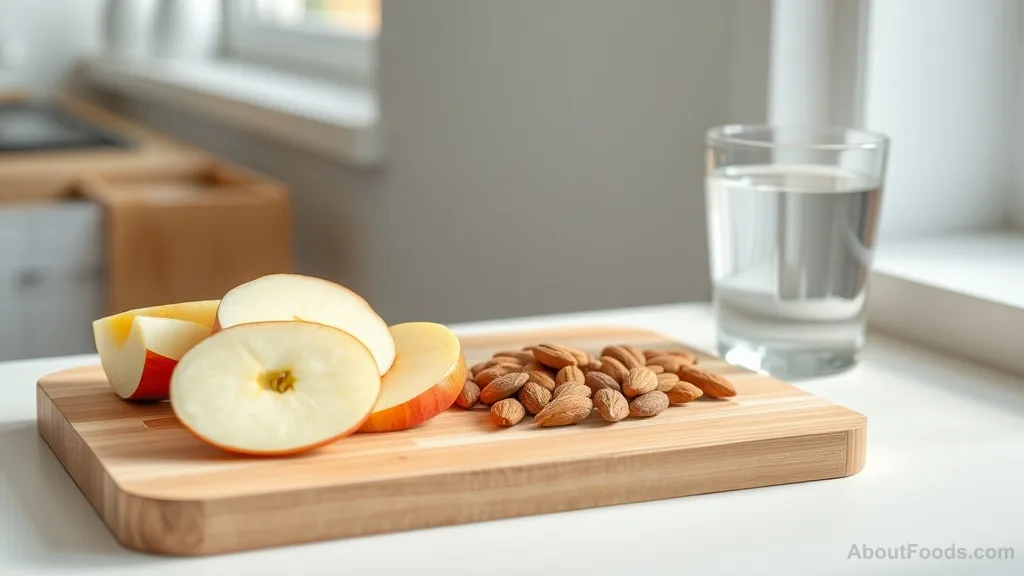
The standard recommendation from the USDA and other health organizations is about 25 grams per day for women and 38 grams per day for men. But most people in the United States only get around half that amount. To put it in perspective, one cup of cooked lentils gives you about 15 grams of fiber, a medium apple with skin gives about 4.5 grams, and a slice of whole-wheat bread gives about 2 grams.
The key is to increase your fiber intake slowly to give your gut time to adjust. Drink plenty of water, as fiber absorbs water and needs it to move through your system smoothly.
Practical Tips to Add More Fiber to Your Day
You don’t need a massive overhaul—small swaps and additions can get you there. Here are some easy strategies:.
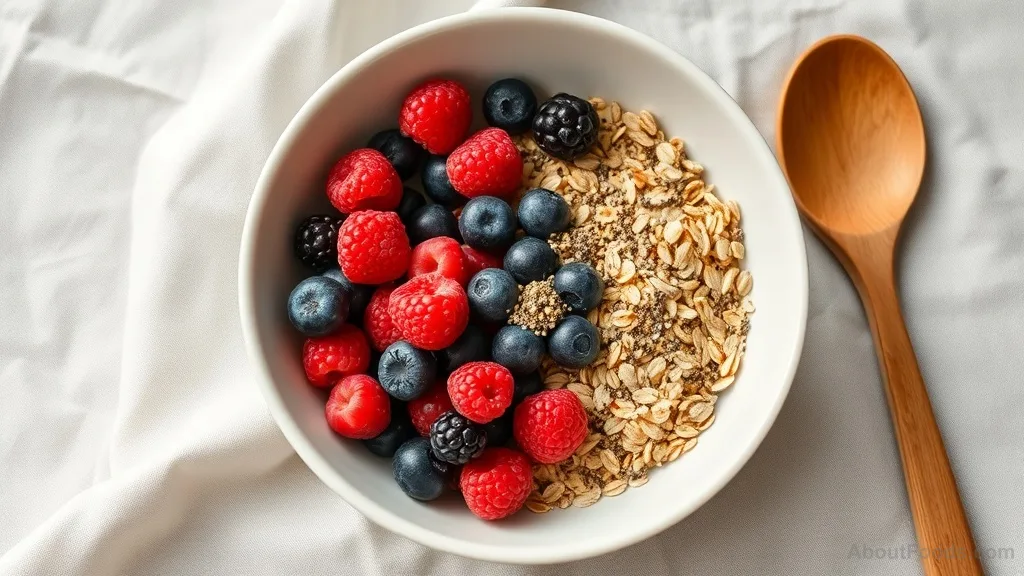
- Start your day with oats: Top with berries
- chia seeds
- and a spoonful of almond butter.
- Eat the skin: Leave the peel on apples
- pears
- potatoes
- and cucumbers (just wash well).
- Go for whole grains: Replace white rice with brown rice
And if you’re prone to bloating, give your gut time to adjust when increasing fiber. Drink water between meals rather than during, and try to spread your fiber intake across the day.
Common Fiber Mistakes and How to Avoid Them
Frequently Asked Questions
The Bottom Line
Fiber is one of the most impactful parts of your diet, but it’s often overlooked. It supports your heart, stabilizes your blood sugar, keeps your digestion on track, and nurtures the gut bacteria that influence your overall health. And the best part? It’s found in delicious, everyday foods—apples, oats, beans, broccoli, and so many more. So, start small. Add an apple to your lunch, swap white bread for whole wheat, or toss a handful of lentils into your soup. Your gut—and the rest of your body—will thank you.
Rate this article
No ratings yet. Be the first to rate it.

Written by
Claire Dubois
Specialises in French cuisineClaire is a former lawyer who now bakes croissants at 4am. She says pastry saved her soul and ruined her sleep schedule.
Describe yourself in three words: Tired but joyful, buttery hands.