Fiber And Gut Health
How to Improve Fiber and Gut Health Without Overcomplicating Your Meals
Simple, actionable tips to boost your fiber intake and support gut health using everyday ingredients and easy cooking habits.
Why Fiber and Gut Health Go Hand in Hand
You've probably heard it many times: eat more fiber for a happy gut. But the truth is, most of us are falling short. In a world of convenience foods, fiber often gets left behind. Let's change that—without turning your kitchen into a science lab or your meals into complicated recipes.
The Two Types of Fiber You Need to Know About
Before we dive into the how, let's quickly understand the what. Fiber comes in two forms: soluble and insoluble. Both are crucial for gut health, but they work in different ways.
You need both for a healthy, balanced gut. The good news? Many whole foods naturally contain both types, so you don't have to stress about proportions.
Start with What You Already Eat
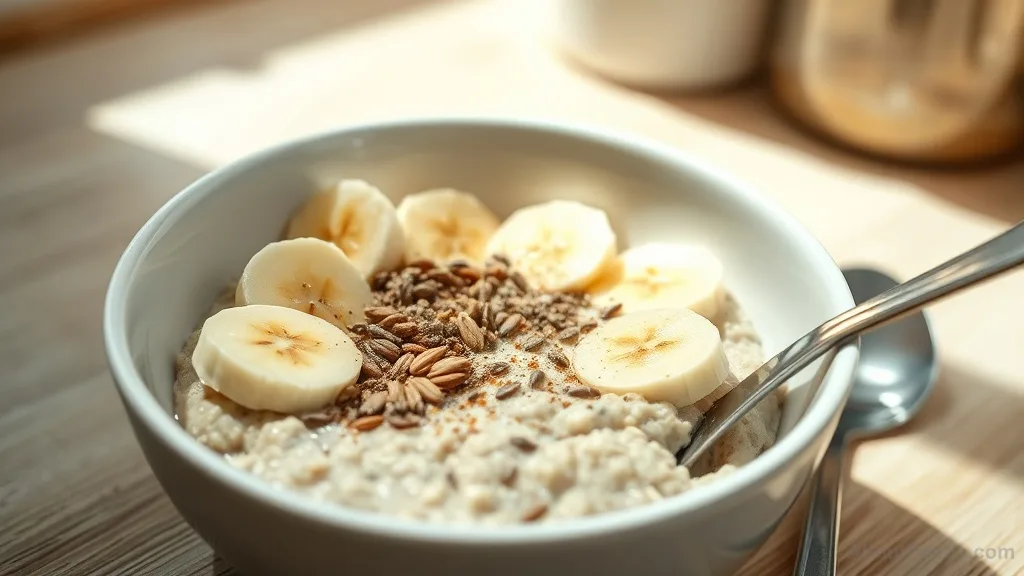
The easiest way to boost fiber is to upgrade the foods you already love. Don't feel like you need to overhaul your entire diet overnight—small swaps add up.
- Switch from white rice to brown rice
- quinoa
- or barley.
- Choose whole grain bread instead of white bread.
- Opt for whole wheat pasta or try legume-based pasta (like chickpea or lentil pasta).
- Eat the peel on fruits like apples
- pears
- and potatoes (just wash them well).
These are simple, one-for-one swaps that require no extra effort. In fact, you probably won't even notice the difference—except that you feel fuller and more satisfied.
Add One Fiber-Rich Ingredient to Every Meal
Instead of trying to cram in extra snacks or supplements, just add one high-fiber ingredient to each meal. This approach keeps things simple and virtually invisible. Here are some examples:.
These small additions barely change the flavor or texture but make a significant impact on your daily fiber intake.
The Magic of Legumes: Your Fiber Secret Weapon
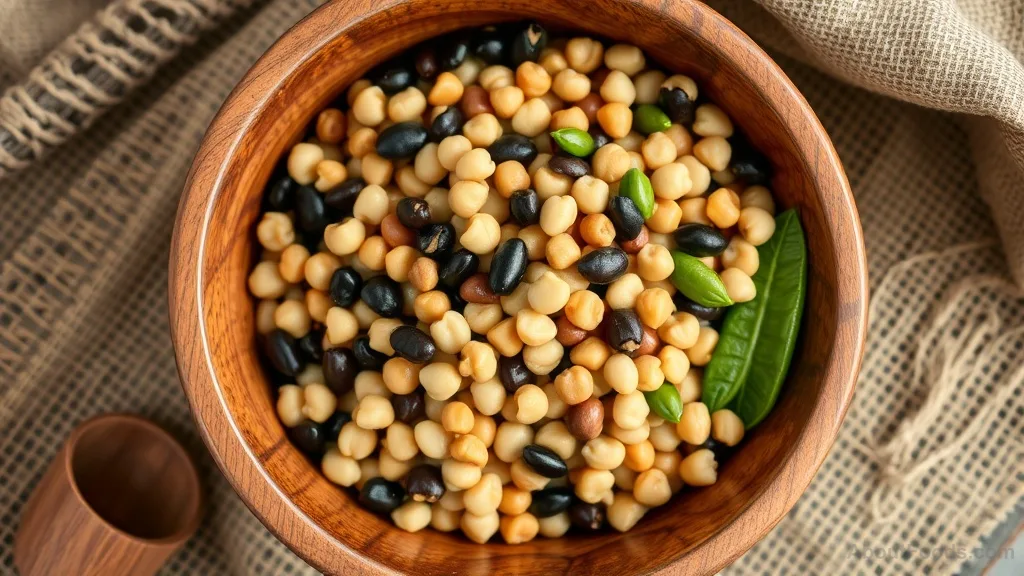
Legumes—beans, lentils, chickpeas, and peas—are some of the highest-fiber foods on the planet. A single cup of cooked lentils packs about 15 grams of fiber. That's more than half of the recommended daily intake for women! Plus, they are cheap, versatile, and easy to cook.
Keep a stash of canned (rinsed) or cooked dried legumes in your fridge or freezer. You can add them to almost any savory dish.
Don't Forget: Drink Water as You Increase Fiber
This is a common misstep that can lead to bloating and discomfort. As you add more fiber, your body needs extra water to help move things along. Aim for at least 8-10 cups of fluid a day—water is best, but herbal teas and broths count too. Think of fiber as a sponge: without enough water, it can clog rather than clean.
Listen to Your Gut: Increase Fiber Gradually
If you're not used to a high-fiber diet, adding too much too quickly can cause gas, cramping, or bloating. Start by adding one extra serving of fiber per day for a week, then slowly build up. Your gut microbiome needs time to adjust and produce the enzymes necessary to break down fiber. Take it slow and your body—and your microbiome—will thank you.
Conclusion: Keep It Simple
Improving your fiber intake and gut health doesn't require complicated recipes, pricey supplements, or hours in the kitchen. Start with the foods you already eat. Swap where you can, add where you can't, and always pair with plenty of water. Your gut will gradually become more adaptable, and you'll likely feel more energetic and satisfied. Remember, the best fiber routine is the one you can stick with without stress. Happy eating!
Frequently Asked Questions
Rate this article
No ratings yet. Be the first to rate it.

Written by
Ayu Santoso
Specialises in Indonesian cuisineAyu makes rendang that takes 6 hours and is worth every minute. She hums while stirring.
Describe yourself in three words: Calm, humming, smells of coconut.