Hydration
How to Improve Hydration Without Overcomplicating Your Meals
Learn simple, effective ways to boost your hydration through everyday foods and drinks, without needing to track every sip. This guide offers practical tips that fit seamlessly into your daily routine, making hydration feel natural and effortless.
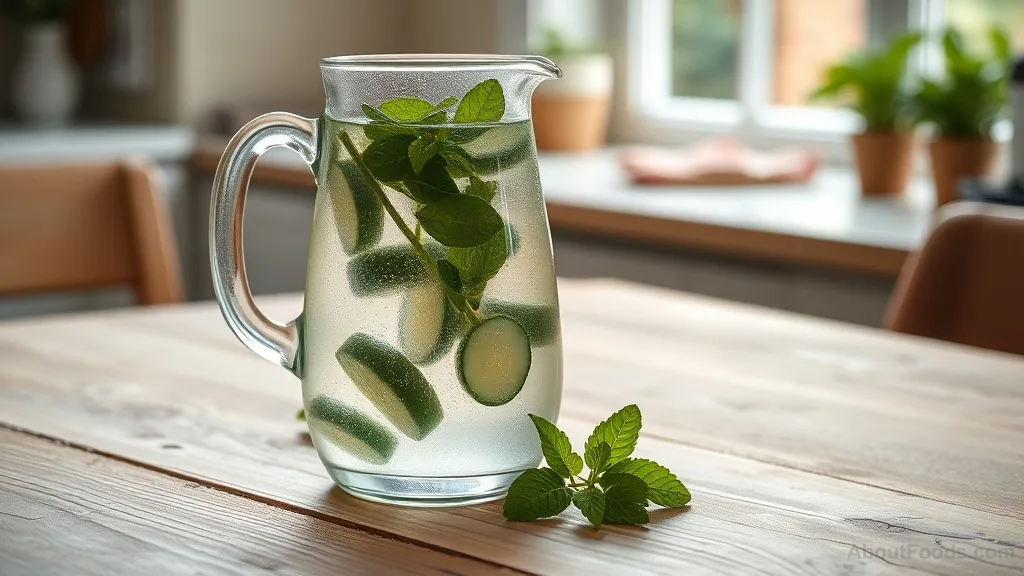
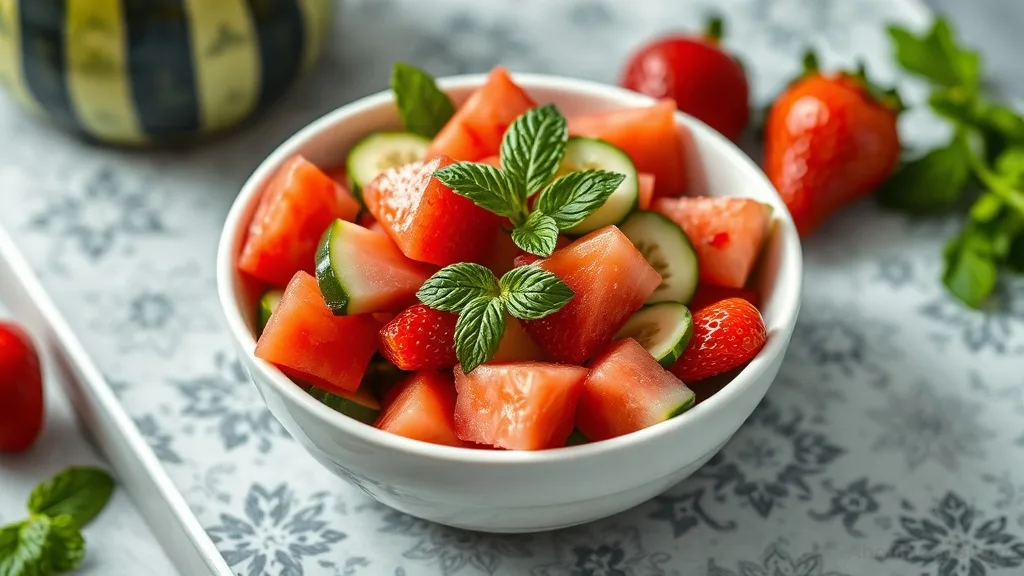
The Gentle Art of Staying Hydrated
In the quiet rhythm of my kitchen, where the air often carries the soft scent of coconut from my childhood in Indonesia, I've learned that hydration doesn't need to be a chore. It can be as natural as breathing—a gentle, nourishing practice woven into your meals and moments. Many people struggle to drink enough water, feeling overwhelmed by tracking apps or strict rules. But what if we approached hydration not as a task, but as a simple enhancement to how we already eat and live? This guide will show you how to improve your hydration without overcomplicating your meals, using foods and habits that feel intuitive and sustainable.
Why Hydration Matters Beyond Just Drinking Water
Hydration is more than just sipping water; it's about maintaining the balance of fluids in your body to support everything from digestion to skin health. When we think of hydration, we often picture glasses of plain water, but about 20-30% of our daily fluid intake can come from foods. This is especially helpful for those who find it hard to drink enough. By incorporating water-rich foods into your diet, you're not only boosting hydration but also getting essential vitamins, minerals, and fiber. It's a holistic approach that nourishes you in multiple ways, making it easier to stay hydrated without extra effort.
- Supports digestion and nutrient absorption
- Helps regulate body temperature
- Promotes healthy skin and joint function
- Enhances energy levels and mental clarity
Top Water-Rich Foods to Add to Your Meals
One of the simplest ways to improve hydration is to include more water-rich foods in your daily meals. These foods not only provide fluids but also add texture, flavor, and nutrition to your plate. Think of them as your hydration allies—quietly working in the background to keep you balanced. From crisp cucumbers to juicy berries, here are some easy additions that won't disrupt your cooking routine.
| Food | Approximate Water Content | How to Use It |
|---|---|---|
| Cucumber | 95% | Add to salads, sandwiches, or as a snack with hummus |
| Watermelon | 92% | Enjoy as a refreshing dessert or blend into smoothies |
| Leafy Greens (e.g., spinach) | 91% | Mix into soups, stews, or omelets |
| Berries (e.g., strawberries) | 91% | Top yogurt, oatmeal, or eat fresh as a snack |
| Yogurt | 85% | Use as a base for breakfast bowls or dips |
| Soups and Broths | 90%+ | Include as a light starter or main meal |
Simple Hydrating Drinks Beyond Plain Water
If plain water feels monotonous, there are many other beverages that can keep you hydrated while adding variety to your day. In Indonesia, we often enjoy drinks like coconut water or herbal teas, which are not only hydrating but also soothing. The key is to choose options without added sugars or excessive caffeine, which can dehydrate you. Here are a few ideas to make your fluid intake more enjoyable and effective.
Practical Tips for Everyday Hydration
Improving hydration doesn't require drastic changes; small, consistent habits can make a big difference. Based on my experience in the kitchen, I've found that making hydration visible and integrated into daily routines helps it become second nature. Here are some actionable tips that you can start today, without adding complexity to your life.
- Keep a water bottle or glass visible on your desk or counter as a visual reminder.
- Start your day with a glass of water before coffee or tea to set a hydrating tone.
- Include a water-rich food in every meal
- like a side salad or fruit.
- Set gentle reminders
- such as drinking water after each bathroom break or before meals.
- Opt for hydrating snacks
- like cucumber slices or watermelon cubes
Common Mistakes to Avoid
When trying to improve hydration, it's easy to fall into traps that can make the process feel harder than it needs to be. By avoiding these common pitfalls, you can create a more relaxed and effective approach. Remember, hydration is about balance, not perfection.
FAQs About Hydration
How much water should I drink each day?
A general guideline is about 8 glasses (2 liters), but needs vary based on activity, climate, and diet. Focus on consistent intake through both drinks and foods.
Can I drink too much water?
Yes, overhydration is rare but possible. Listen to your body and avoid forcing large amounts quickly. Balance with electrolytes from foods like bananas or coconut water.
Are sports drinks necessary for hydration?
For most everyday activities, water and water-rich foods are sufficient. Sports drinks can be useful during intense, prolonged exercise but often contain added sugars.
How do I know if I'm hydrated enough?
Signs include clear or light-colored urine, moist mouth, and steady energy levels. Dark urine or frequent thirst may indicate need for more fluids.
What are the best hydrating foods for hot weather?
Watermelon, cucumbers, citrus fruits, and leafy greens are excellent choices to help cool and hydrate your body naturally.
Rate this article
No ratings yet. Be the first to rate it.

Written by
Ayu Santoso
Specialises in Indonesian cuisineAyu makes rendang that takes 6 hours and is worth every minute. She hums while stirring.
Describe yourself in three words: Calm, humming, smells of coconut.