Macros
How to Improve Your Macros Without Overcomplicating Your Meals
Ditch the spreadsheets and simplify your nutrition with these practical, no-stress strategies to balance protein, carbs, and fat in everyday meals.
Why Macros Matter (Without the Math Anxiety)
If the word 'macros' makes you think of spreadsheets and kitchen scales, I get it. But here’s the truth: improving your macronutrient balance doesn’t require obsessive tracking. It’s about shifting the ratio of protein, carbohydrates, and fat on your plate in a way that supports your energy, satiety, and overall health. Think of it as a gentle nudge, not a rigid formula.
In this guide, I’ll share five simple, no-fuss strategies to improve your macros—using whole foods, smart swaps, and a little kitchen intuition. No apps required, just a willingness to cook (and enjoy) real food.
1. Build Your Plate with the 'Hand Method'
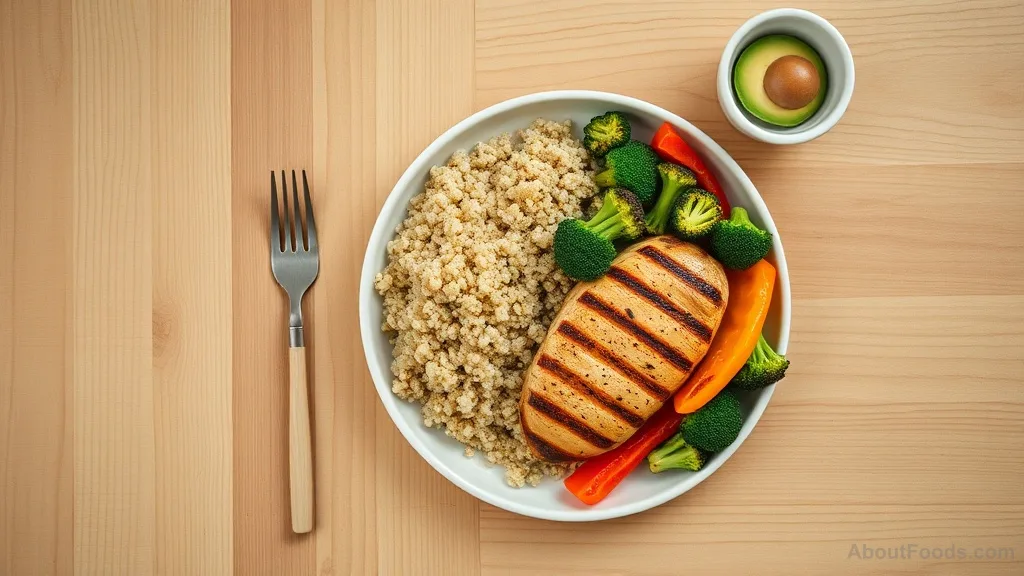
Forget measuring cups. Your hand is a built-in portion guide. For each meal, aim for:.
- One palm-sized portion of protein (chicken
- fish
- tofu
- eggs)
- One fist-sized portion of complex carbohydrates (quinoa
- brown rice
- sweet potato)
- One thumb-sized portion of healthy fats (avocado
This method automatically balances your macros without you having to think about grams. It’s flexible, portable, and works for any cuisine—Indian, Italian, or otherwise.
2. Make Protein the Star of Every Meal
Protein is the most satisfying macro and the one most people under-eat. To boost it without overcomplicating:.
- Keep pre-cooked protein in the fridge: grilled chicken strips
- boiled eggs
- or canned chickpeas.
- Add a scoop of collagen or whey to oatmeal
- smoothies
- or even dal.
- Swap half your rice for lentils or quinoa in dishes like biryani or khichdi.
Small tweaks like these can add 10-15 grams of protein per meal without extra cooking time.
3. Choose Carbs That Work for You
Not all carbs are created equal, but that doesn’t mean you need to ditch rice or roti. The key is to favor fiber-rich carbs that digest slowly and keep you full. Try these swaps:.
When you eat carbs, pair them with protein and fat—this slows down sugar absorption and supports steady energy.
4. Don’t Fear Fat—but Be Smart About Sources
Healthy fats are essential for hormone function and nutrient absorption. The goal is to replace low-quality fats (deep-fried foods, processed oils) with nutrient-dense ones. Easy ways to do this:.
- Drizzle extra-virgin olive oil over roasted vegetables instead of using butter.
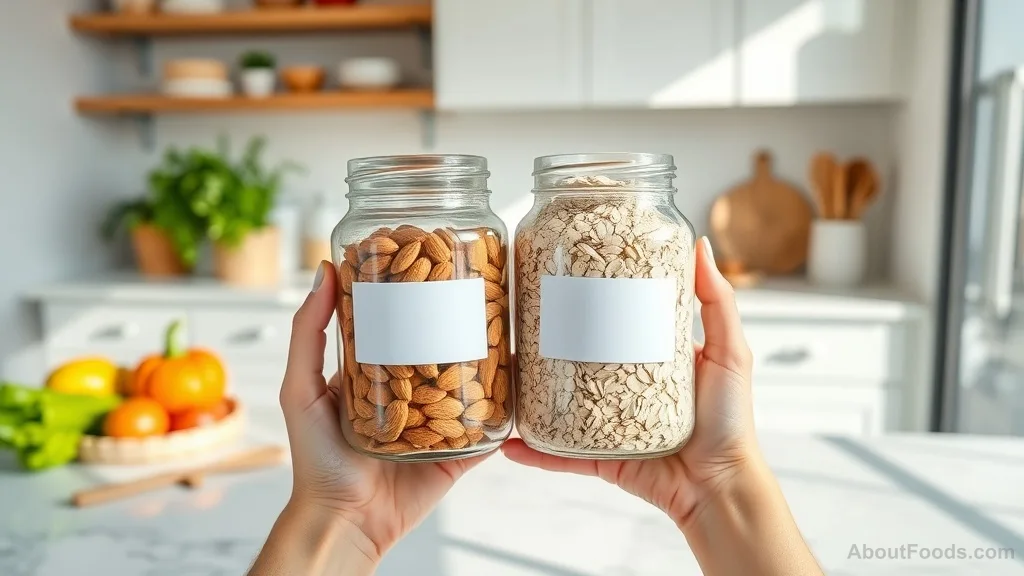
- Add a handful of nuts or seeds to your morning oats or yogurt.
- Use avocado as a spread on toast or as a creamy salad dressing base.
Adding a little fat to each meal also helps you feel satisfied, so you’re less likely to reach for extra snacks later.
5. Use the 'Add, Don't Subtract' Rule
Instead of cutting out foods you love, try adding something nutritious. For example:.
- Add a handful of spinach to your rice while it cooks.
- Stir flaxseed or chia seeds into your yogurt
- dal
- or smoothie.
- Top your pizza with extra vegetables before a lighter cheese layer.
This approach gently shifts your macros without making you feel deprived. Over time, the balance naturally improves.
6. Batch-Cook the Essentials
The easiest way to stick with good macros is to have key components ready. Spend 30 minutes on Sunday to:.
- Cook a big batch of quinoa or brown rice.
- Roast a sheet pan of vegetables (broccoli
- sweet potatoes
- bell peppers).
- Hard-boil a dozen eggs for grab-and-go protein.
- Make a simple vinaigrette with olive oil and lemon juice.
Then, during the week, you can assemble meals in minutes: grain bowl, salad, or stir-fry. No thought required.
Putting It All Together: A Simple Macro-Boosted Day
Here’s what a day of eating might look like using these strategies:.
Notice that no meal is complicated, yet each offers a solid balance of protein, carbs, and fat.
Frequently Asked Questions
Do I need to count macros exactly?
No. The goal is to improve your macro balance, not achieve perfection. Hand portions and whole-food swaps are enough for most people to see benefits.
What if I'm vegetarian or vegan?
Focus on plant proteins like lentils, chickpeas, tofu, tempeh, and edamame. Combine grains and legumes (e.g., rice and beans) to create complete proteins. Nuts and seeds add healthy fats.
Can I still eat treats?
Absolutely. The 80/20 rule works well: aim for nutrient-dense choices 80% of the time and enjoy less balanced foods the other 20%. Balance, not restriction.
Will this help me lose weight?
Improving your macros can support weight management by increasing satiety and stabilizing blood sugar. But weight loss also depends on overall calorie intake. Use these strategies to feel better and let the rest follow.
The Bottom Line
Improving your macros doesn’t require a PhD in nutrition or an app with a subscription fee. It’s about making small, consistent choices that add up over time. Start with one or two of these strategies, and let your palate—and your energy—guide you. You’ve got this.
Rate this article
No ratings yet. Be the first to rate it.

Written by
Anaya Iyer
Specialises in Indian cuisineAnaya Iyer (not Patel or Sharma) makes dosas so crisp they shatter like glass. She is a fermentation nerd.
Describe yourself in three words: Crispy, nerdy, sourdoh.