Vitamins
Simple Ways to Boost Your Vitamin Intake Without Cooking Stress
Learn practical, kitchen-tested strategies to naturally increase vitamins in your meals. I'll show you how small tweaks to shopping, prep, and cooking can make a big difference, keeping things delicious and manageable.
Why Vitamins Matter (And Why We Overcomplicate Them)
Growing up in a Malaysian kitchen where every meal was both medicine and celebration, I learned early that food should nourish without causing stress. Yet today, I see friends and readers getting tangled in vitamin charts, supplement debates, and complicated recipes that leave them exhausted before they even eat. Here's the truth my grandmother knew: vitamins are simply nutrients our bodies need to function well, and we can get them from real food without turning cooking into a chemistry experiment. The key isn't perfection—it's consistency through simple, delicious choices.
Start With Your Shopping Cart: The Color Rule
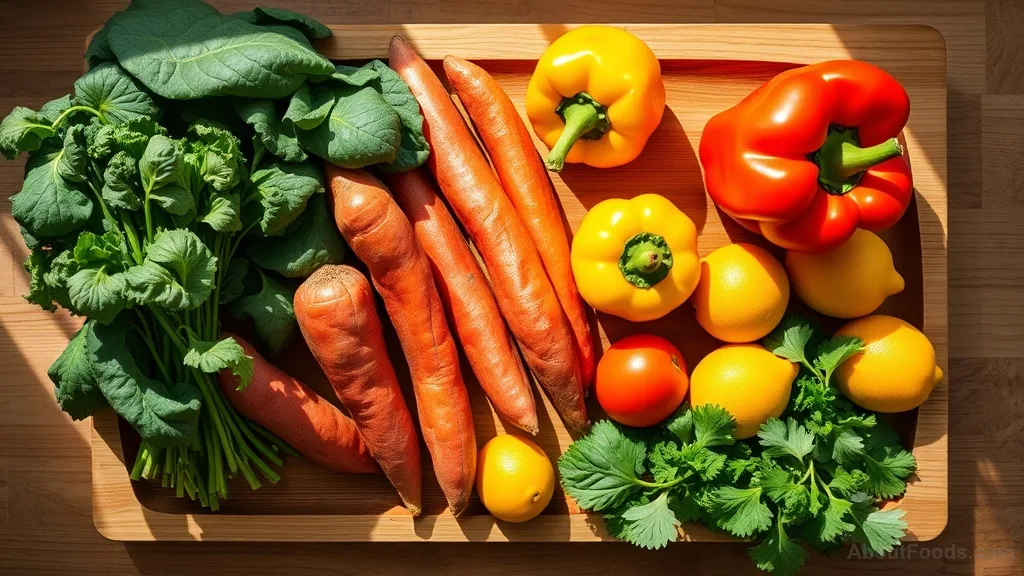
Before you even step into the kitchen, the battle for better vitamins is won or lost in the grocery store. I use what I call the 'Rainbow Rule'—aim for at least three different colors in your produce section choices each week. Different colors often mean different vitamin profiles: orange for vitamin A (think sweet potatoes, carrots), dark green for folate and K (spinach, kale), red for vitamin C (bell peppers, tomatoes). This isn't about memorizing charts; it's about creating visual variety that naturally covers your bases.
- Green group: Spinach
- kale
- broccoli
- Brussels sprouts (vitamins K
- C
- folate)
- Orange/yellow group: Sweet potatoes
- carrots
Smart Prep: Keep Vitamins Where They Belong
As someone who's particular about how ingredients are treated (yes, I'm that person who arranges vegetables by type in the fridge), I've learned that how you handle food matters as much as what you buy. Water-soluble vitamins like C and B can leach out during washing and cooking if we're not careful. My approach? Wash vegetables whole before chopping, use minimal water when cooking, and save cooking liquids for soups or sauces. These small habits preserve what nature packed into your food.
Cooking Methods That Boost (Not Reduce) Nutrition
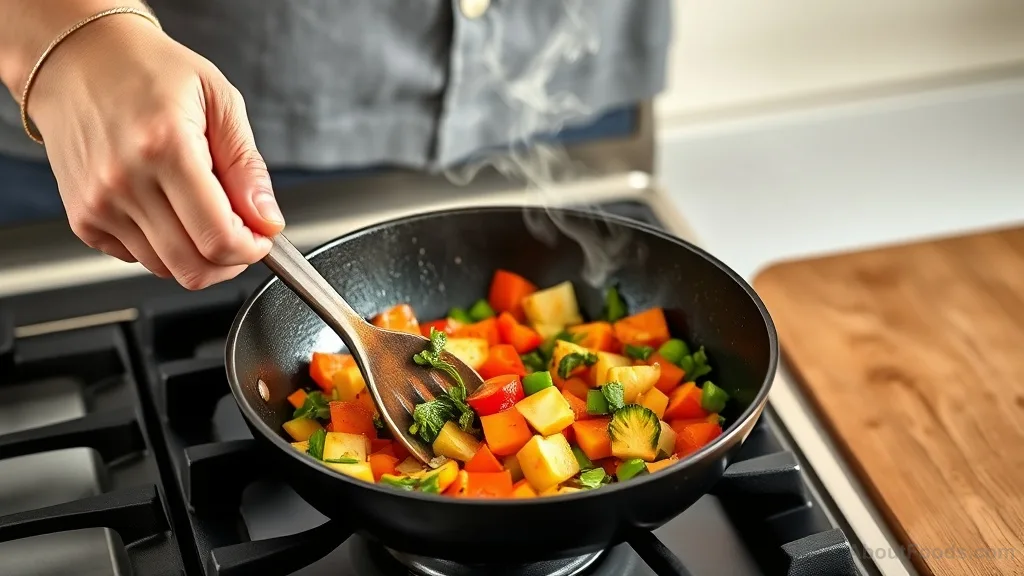
In Malaysian cooking, we understand that heat transforms food—sometimes for better, sometimes for worse when it comes to vitamins. The goal isn't to eat everything raw (though some things are wonderful that way), but to choose cooking methods that enhance bioavailability while minimizing loss. Light steaming, quick sautéing, roasting at proper temperatures—these methods can actually make some nutrients more accessible to our bodies while preserving others. Think of it as helping the vitamins do their job, not fighting against them.
| Method | Best For | Tips | Vitamin Consideration |
|---|---|---|---|
| Steaming | Broccoli, carrots, greens | 5-7 minutes until bright | Preserves water-soluble vitamins better than boiling |
| Sautéing | Spinach, peppers, mushrooms | High heat, quick cook | Fat helps absorb fat-soluble vitamins (A, D, E, K) |
| Roasting | Root vegetables, tomatoes | 400°F, caramelize edges | Can increase antioxidant availability in some vegetables |
| Raw | Salads, snacking vegetables | Wash thoroughly | Maximum vitamin C, but some nutrients need heat for bioavailability |
The Power of Simple Combinations
This is where my Malaysian heritage really shines—we understand that food combinations matter. It's not just about individual ingredients, but how they work together. Adding a squeeze of lemon to spinach helps absorb its iron. Cooking tomatoes with a little oil makes lycopene more available. Sprinkling seeds on a salad adds vitamin E that helps utilize other nutrients. These are tiny actions that create big nutritional synergy without complicating your cooking routine.
Building Vitamin-Rich Meals Without Recipes
You don't need elaborate recipes to eat well. My approach is what I call 'template cooking'—simple frameworks you can adapt based on what's fresh, what you have, and what you enjoy. Start with a base (grains or greens), add colorful vegetables, include a protein source, and finish with a healthy fat. This structure naturally incorporates vitamin variety without requiring you to follow complicated instructions. The perfectionist in me finds beauty in this simplicity—it's systematic but flexible, thorough but not rigid.
- Base: Brown rice
- quinoa
- whole grain pasta
- or mixed greens
- Color: At least 2 different colored vegetables (steamed
- roasted
- or raw)
- Protein: Eggs
Common Mistakes (And How to Avoid Them)
In my quest for kitchen perfection, I've made—and seen—all the mistakes. Overcooking vegetables until they're mushy and drained of color (and nutrients). Storing produce poorly so it wilts before use. Focusing on one 'superfood' while neglecting variety. The solution isn't to become a nutrition scientist, but to develop kitchen awareness. Notice how your vegetables look after cooking—vibrant is good, dull means nutrients may have escaped. Pay attention to how foods store—crisp greens last, while bruised fruits deteriorate quickly. This awareness becomes second nature with practice.
Your Vitamin Questions Answered
Do I need to take supplements if I eat well?
For most people eating a varied diet, supplements aren't necessary. Focus on whole foods first—they contain vitamins in forms your body recognizes and uses best, along with fiber and other beneficial compounds. If you have specific concerns, consult a healthcare professional.
Are frozen vegetables less nutritious than fresh?
Frozen vegetables are often flash-frozen at peak ripeness and can be more nutrient-dense than 'fresh' produce that's traveled long distances. They're excellent options, especially when certain vegetables are out of season.
How do I know if I'm getting enough vitamins?
Rather than tracking every vitamin, focus on eating a variety of colorful whole foods. If you regularly include different colored vegetables, whole grains, proteins, and healthy fats, you're likely covering your bases. Energy levels, skin health, and overall wellbeing are good indicators.
Can I get all vitamins from plants?
Most vitamins are available from plant sources, though vitamin B12 primarily comes from animal products or fortified foods. A varied plant-based diet with attention to B12 (through fortified foods or supplements if needed) can provide comprehensive nutrition.
What's the biggest vitamin mistake home cooks make?
Overcooking vegetables in too much water. This causes water-soluble vitamins to leach out. Quick cooking methods with minimal liquid preserve both texture and nutrients.
Rate this article
No ratings yet. Be the first to rate it.

Written by
Aisha Ismail
Specialises in Malaysian cuisineAisha is a nasi lemak specialist who renders her own coconut milk. She once cried when a reviewer asked for less sambal.
Describe yourself in three words: Sensitive, perfectionist, fiery sambal.