Hydration
Hydration Explained in Simple, Practical Terms: What Your Body Really Needs
Understanding hydration goes beyond drinking eight glasses of water a day. This guide breaks down what hydration really means, how to spot your own needs, and simple ways to stay balanced every day.

What Hydration Actually Means
When we talk about hydration, we're really talking about your body's fluid balance. Water is involved in nearly every bodily function: it helps regulate temperature, lubricates joints, transports nutrients, and removes waste. But hydration isn't just about chugging water—it's about having the right amount of water in the right places at the right time.
Your body loses water all day through urine, sweat, breath, and even digestion. The goal is to replace what you lose, no more, no less. Overhydration is rare but possible, so it's important to listen to your body's signals rather than force down a set number of glasses.
Who Needs More Water?
While general guidelines suggest around 2.7 liters (91 ounces) for women and 3.7 liters (125 ounces) for men daily, these are just starting points. That total includes water from all sources—drinks and food. Your personal needs depend on several factors.
- Activity level: Exercise or physical labor increases water loss through sweat.
- Climate: Hot or humid weather
- as well as heated indoor air
- can increase fluid needs.
- Health status: Fever
- vomiting
- or diarrhea demand extra fluids.
- Pregnancy and breastfeeding: Needs increase significantly during these stages.
Rather than fixating on a number, use your body's cues. Thirst is one sign, but not the only one. Your urine color is a practical clue: pale straw color generally means you're well hydrated, while dark yellow suggests you need more fluids.
Beyond Water: The Role of Electrolytes
Water alone isn't always enough. Electrolytes—minerals like sodium, potassium, magnesium, and calcium—help your body absorb and use water effectively. They're especially important when you sweat a lot, during illness, or in extreme heat.
You don't need fancy sports drinks. A simple pinch of salt in your water or a glass of coconut water can provide electrolytes. Eating whole foods like bananas (potassium), leafy greens (magnesium), and dairy (calcium) also supports hydration. For most people, a balanced diet covers electrolyte needs without supplements.
Common Hydration Mistakes
Even with good intentions, it's easy to get hydration wrong. Here are a few pitfalls to avoid:.
- Drinking large volumes at once: Your kidneys can only process about 0.8–1 liter per hour. Sip steadily throughout the day.
- Ignoring thirst: By the time you feel thirsty
- you may already be slightly dehydrated. Drink proactively
- especially during meals.
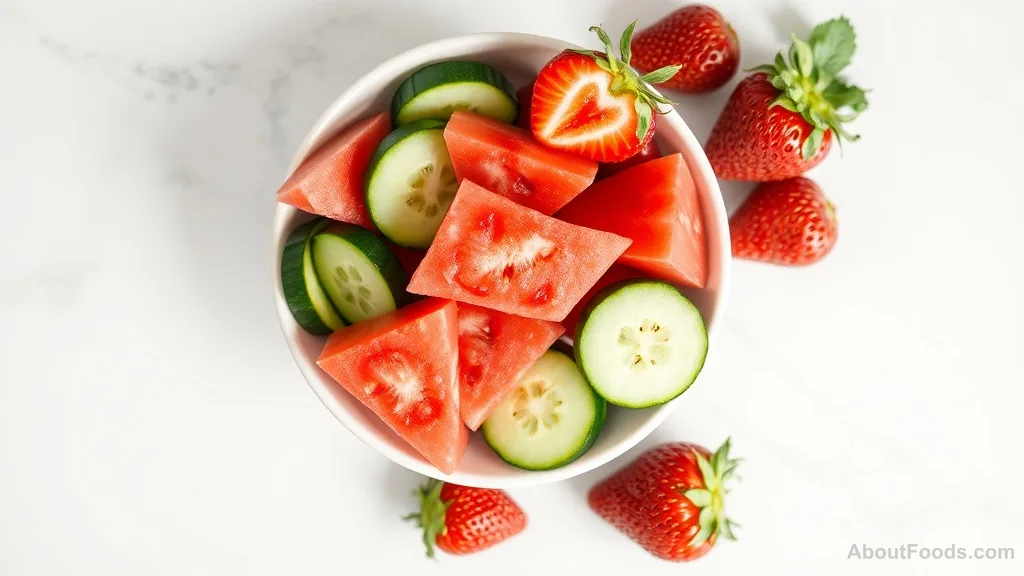
- Relying only on plain water: Water-rich foods like cucumber
- watermelon
- oranges
- and soups are excellent hydrators.
Remember, hydration is about consistency, not volume. Spreading your intake across the day works better than gulping a bottle before bed.
Simple Ways to Stay Hydrated
You don't need to track every milliliter. Small habits can make a big difference:.
- Start your day with a glass of water.
- Keep a reusable bottle on your desk or in your bag and sip regularly.
- Eat at least one water-rich food per meal—try salads
- fruit bowls
- or broth-based soups.
- Set a gentle reminder on your phone if you tend to forget.
- Flavor plain water with cucumber
- mint
If you're active, weigh yourself before and after exercise and drink 16–24 ounces of fluid for every pound lost. That ensures proper rehydration without overdoing it.
Frequently Asked Questions
Rate this article
No ratings yet. Be the first to rate it.

Written by
Anaya Patel
Specialises in Indian cuisineAnaya makes a mean dal makhani and owns 14 types of lentils. She alphabetizes them.
Describe yourself in three words: Organized, nerdy, lentil lover.