Hydration
Hydration for Everyone: Practical Tips for Families, Busy Adults, and Home Cooks
Staying hydrated is essential for health, but it's easy to overlook in our busy lives. This guide offers simple, actionable strategies to help families, working adults, and home cooks maintain proper hydration. Learn how to make hydration a delicious, effortless part of your daily routine.
Why Hydration Matters More Than You Think
Let me tell you something straight from my Ethiopian kitchen: water is the unsung hero of every meal. Just as berbere spice brings heat and niter kibbeh butter adds richness, hydration is the foundation that lets your body function at its best. Forget chugging bland glasses out of obligation—think of hydration as seasoning your day. It regulates temperature, cushions joints, aids digestion, and keeps your mind sharp. For families, it supports growing kids' energy and focus. For busy adults, it fights afternoon slumps. For home cooks, it ensures you're alert and creative in the kitchen. When you're well-hydrated, everything else—from work to play to cooking—just tastes better.
But here's the buttery truth: most of us aren't drinking enough. We get distracted, rely on coffee alone, or mistake thirst for hunger. This guide isn't about strict rules or counting every ounce. It's about weaving hydration into your life like a slow-simmered stew—rich, satisfying, and effortlessly nourishing. Whether you're wrangling kids, juggling meetings, or perfecting a new recipe, these tips will help you stay topped up without the stress.
Simple Signs You Might Need More Fluids
Your body sends clear signals when it's thirsty, but we often ignore them until we're parched. Think of it like a pot left on the stove too long—dryness creeps in subtly. Common signs include fatigue, headaches, dry skin, and dark yellow urine. For kids, watch for irritability or decreased activity. Busy adults might notice poor concentration or muscle cramps. Home cooks could feel sluggish while prepping meals. These aren't emergencies, but gentle reminders to sip more often. Listen to your body like you'd listen to a simmering sauce—catch it before it boils over.
Hydration for Families: Making It Fun and Easy
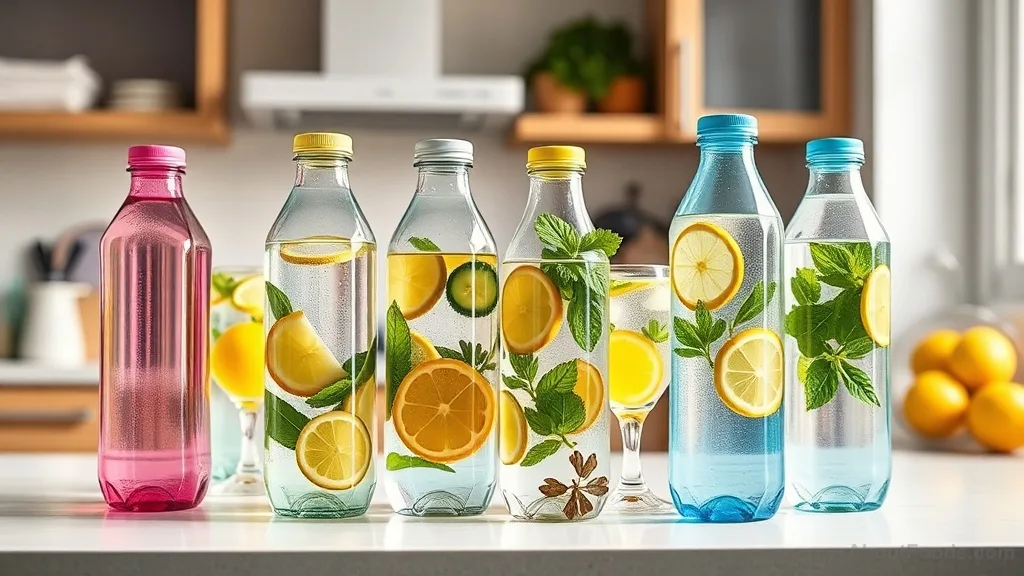
Getting kids to drink enough water can feel like herding goats—possible, but chaotic. The key is to make it appealing, not a chore. Start with colorful, reusable water bottles they can personalize. Create a 'hydration station' in the kitchen with infused waters: add slices of lemon, cucumber, or berries to a pitcher. Let kids choose their 'flavor' each morning. For picky drinkers, offer hydrating foods like watermelon, oranges, or cucumber sticks. Model good habits by drinking water together at meals. And remember, consistency beats perfection—a few sips throughout the day add up.
- Use fun straws or character cups for younger children.
- Set gentle reminders
- like drinking water after each play session.
- Include broth-based soups or smoothies in meals.
- Avoid sugary drinks as the main hydration source.
Busy Adults: Hydration on the Go
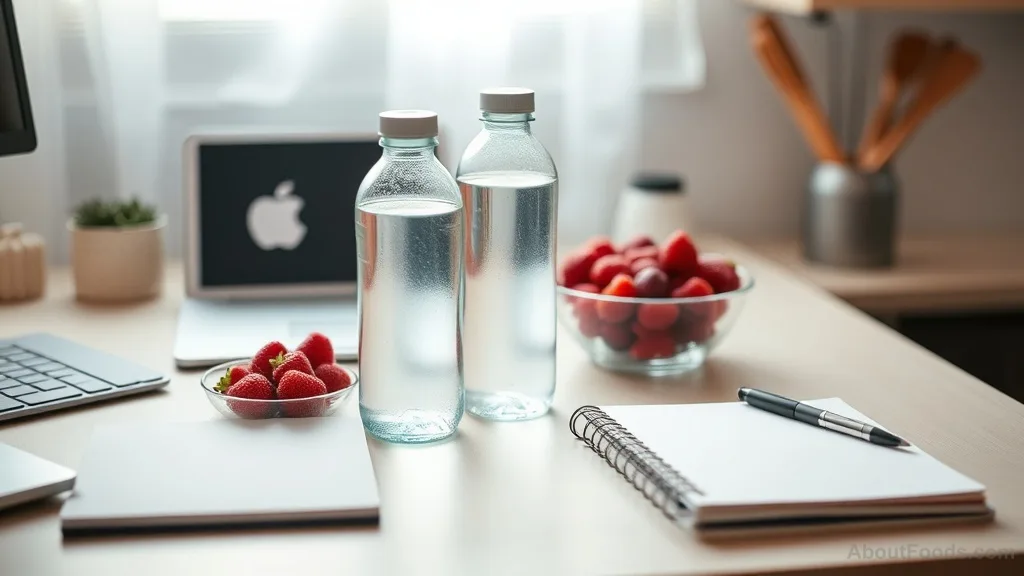
When your day is packed like a spice blend—meetings, errands, deadlines—hydration often falls by the wayside. But skipping water is like skipping the berbere in doro wat; you'll miss the essential kick. Keep a reusable bottle on your desk, in your car, or in your bag. Set phone reminders to sip hourly. If plain water bores you, try herbal teas or sparkling water with a splash of citrus. Snack on hydrating foods like yogurt, celery, or grapes. And don't forget: caffeine and alcohol can dehydrate, so balance them with extra water. A hydrated you is a more productive, focused you.
Everyday Home Cooks: Hydrate Through Food
As a home cook, you have a secret weapon: your kitchen. About 20% of our hydration comes from food, so use that to your advantage. Whip up dishes with high-water content—think salads, soups, stews, and fruits. When cooking, sip water or herbal tea as you chop and stir. Taste as you go? That's a perfect moment to hydrate. Store a glass of water near your workstation. And after a spicy meal, cool down with cucumber slices or mint water instead of sugary drinks. Your recipes will shine brighter when you're hydrated and focused.
| Ingredient | Water Content | Easy Uses |
|---|---|---|
| Cucumber | 95% | Salads, infused water, snacks |
| Watermelon | 92% | Desserts, smoothies, fruit salads |
| Broth | 90%+ | Soups, sauces, cooking grains |
| Bell Peppers | 92% | Stir-fries, raw with dip, stuffed |
Beyond Water: Electrolytes and Hydrating Foods
Water is essential, but sometimes you need a little extra, especially after sweating or during long active days. Electrolytes—like sodium, potassium, and magnesium—help your body hold onto fluids. You don't need fancy sports drinks. Natural sources include coconut water, bananas, leafy greens, and yogurt. For a quick homemade electrolyte drink, mix water with a pinch of salt and a squeeze of lemon. Foods like oranges, strawberries, and celery also boost hydration. Think of it as layering flavors in a stew—water is the base, but these additions deepen the nourishment.
- Add a pinch of salt to your water after a workout.
- Snack on a banana with a glass of water.
- Use coconut water in smoothies or drink it plain.
- Include spinach or avocado in meals for potassium.
Common Hydration Mistakes to Avoid
Even with good intentions, we sometimes stumble. One big mistake? Waiting until you're thirsty to drink—by then, you're already slightly dehydrated. Others include relying solely on caffeinated drinks, ignoring hydrating foods, or drinking too much water too fast (which can dilute electrolytes). For families, avoid using juice as a primary drink; it's high in sugar. Busy adults might skip water during back-to-back meetings. Home cooks could forget to sip while cooking. The fix is simple: sip steadily, include water-rich foods, and listen to your body's cues.
Hydration FAQs: Your Questions Answered
How much water should I drink each day?
Aim for about 8-10 cups (2-2.5 liters) for adults, adjusting for activity and climate. Kids need less, roughly 5-8 cups depending on age. But focus on consistent sipping rather than strict amounts.
Can I drink too much water?
Yes, though it's rare. Overhydration can dilute electrolytes. Stick to sipping throughout the day rather than chugging large amounts at once, especially if you're not very active.
What are the best hydrating foods?
Fruits like watermelon, strawberries, and oranges; vegetables like cucumber, lettuce, and zucchini; and dishes like soups, smoothies, and yogurt.
How do I know if my child is hydrated enough?
Check for regular bathroom trips with pale urine, good energy levels, and moist lips. Offer water frequently, especially during play or hot weather.
Are sports drinks necessary for hydration?
For most everyday activities, no. Water and hydrating foods are sufficient. Save sports drinks for intense, prolonged exercise where electrolyte loss is significant.
Rate this article
No ratings yet. Be the first to rate it.

Written by
Dawit Tesfaye
Specialises in Ethiopian cuisineDawit makes doro wat with berbere and a hard-boiled egg. He uses clarified butter spiced with rosemary.
Describe yourself in three words: Spicy, buttery, egg-topped.