Macros
Macros: The Secret Language Your Body Speaks
Macronutrients—proteins, fats, and carbohydrates—are the essential building blocks that fuel every function in your body. Understanding how they work together helps you eat with intention rather than restriction. Let’s uncover what each macro truly does and how to balance them for vibrant health.
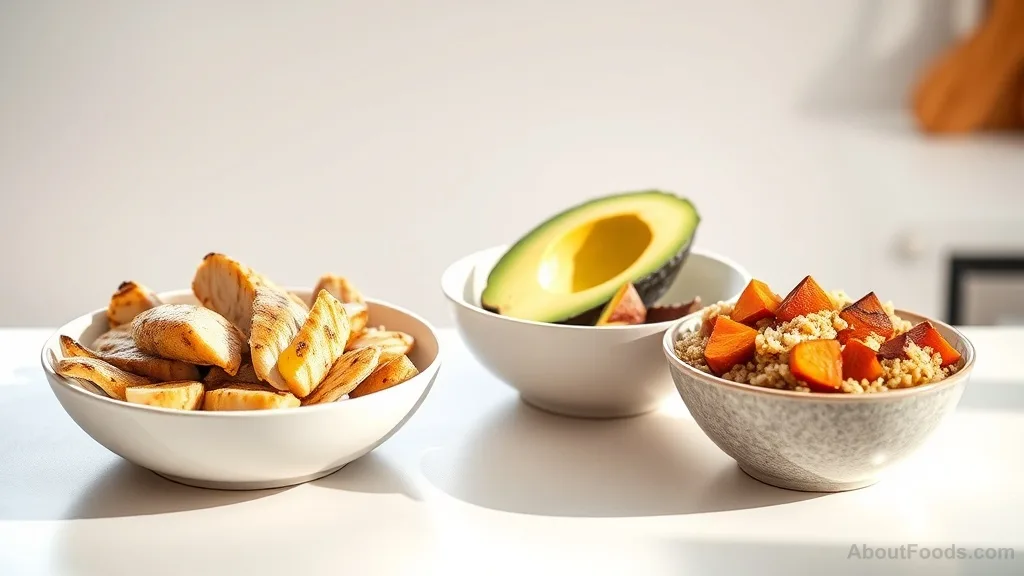
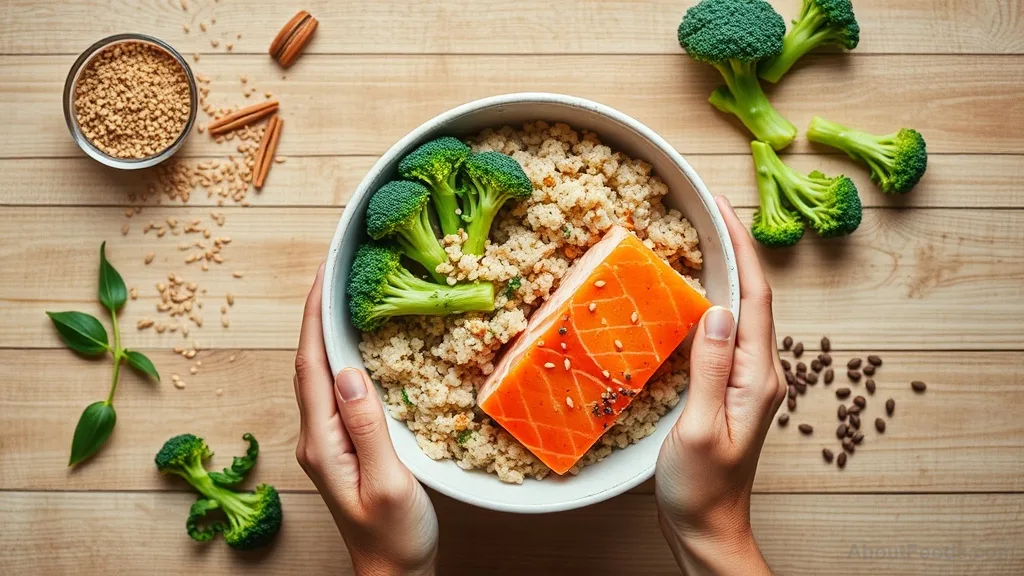
The Whispered Truth: What Are Macros?
In the quiet kitchens of my childhood, food was never just food. It was medicine, celebration, memory. We didn’t call them 'macros' then, but we understood their essence—the proteins that built us, the fats that warmed us, the carbs that carried us through long days. Macronutrients are the three primary nutrients your body needs in large amounts to function and thrive. Unlike vitamins and minerals (micronutrients), which are needed in smaller doses, macros provide the energy—measured in calories—and the raw materials for everything from thinking to moving to healing.
Think of your body as an ancient, intricate temple. Proteins are the bricks and mortar, fats are the protective oils and stored reserves, and carbohydrates are the quick-burning torches that light the halls. Ignoring one weakens the structure. Obsessing over one creates imbalance. The secret isn’t in elimination, but in understanding the role each plays and listening to what your unique temple needs.
Protein: The Architect of Your Body
Protein is the quiet builder, the unseen hand that repairs and creates. Every time you move a muscle, digest a meal, or fight off a sniffle, proteins are at work. They are made of amino acids—often called the building blocks of life. Your body can make some amino acids, but nine are 'essential,' meaning you must get them from food.
- **Muscle repair & growth:** After exercise or daily wear
- protein helps rebuild muscle tissue.
- **Enzymes & hormones:** It creates the messengers and catalysts for countless bodily processes.
- **Immune function:** Antibodies are proteins that help defend against illness.
- **Satiety:** Protein digests slowly
- helping you feel full and satisfied longer.
Common sources include chicken, fish, eggs, lentils, tofu, and Greek yogurt. A simple rule: include a palm-sized portion of protein in most meals. Don’t fear it, but don’t worship it either—balance is key.
Fats: The Keeper of Secrets & Energy
Fats have been misunderstood, shrouded in fear for decades. But in truth, they are the body’s deep energy reserve and protector. They cushion your organs, help absorb fat-soluble vitamins (A, D, E, K), and are crucial for brain health and hormone production. Not all fats are equal, though. The goal is to prioritize unsaturated fats (like those in avocados, nuts, seeds, and olive oil) and limit saturated and trans fats (often found in processed foods).
A drizzle of olive oil on your vegetables, a handful of almonds as a snack, or some avocado in your salad—these small additions are not indulgent; they are essential.
Carbohydrates: The Swift Messenger of Energy
Carbohydrates are the body’s preferred source of quick energy. They break down into glucose, which fuels your brain, muscles, and cells. But like a whispered rumor, not all carbs are trustworthy. Focus on complex carbohydrates—those that come with fiber, vitamins, and minerals—like whole grains, legumes, vegetables, and fruits. These digest slowly, providing steady energy and keeping blood sugar stable. Simple carbohydrates (like sugary drinks, white bread, and pastries) offer a quick spike and crash, often leaving you tired and hungry soon after.
| Type of Carb | Examples | Effect on Body |
|---|---|---|
| Complex Carbs | Brown rice, quinoa, oats, sweet potatoes, lentils, broccoli | Slow, sustained energy; rich in fiber and nutrients |
| Simple Carbs | Table sugar, soda, white bread, pastries, candy | Rapid energy spike followed by a crash; low in nutrients |
Think of carbs as the kindling for your metabolic fire. Choose the slow-burning logs (complex carbs) over the flash paper (simple sugars) to keep your energy steady throughout the day.
How to Listen to Your Body’s Macro Needs
There is no one perfect macro ratio for everyone. Your needs depend on your age, activity level, health goals, and how your body uniquely responds. Instead of rigid counting, start by tuning in. After a meal, ask: Did it keep me full for hours or leave me hungry quickly? Did I have steady energy or a slump? A balanced plate often looks like this: half vegetables (carbs + fiber), a quarter protein, a quarter complex carbs, and a thumb-sized portion of healthy fats.
Listen to the whispers of hunger and satisfaction. They will guide you better than any strict formula.
Common Mistakes & Gentle Corrections
In the pursuit of health, we often stumble. Here are a few common missteps and how to gently correct your course:.
- **Fear of fats:** Cutting out all fats can leave you deficient in essential nutrients and unsatisfied. Add back healthy fats like avocado
- nuts
- and olive oil.
- **Over-relying on protein:** While important
- protein alone won’t provide all the energy or fiber you need. Balance it with carbs and fats.
- **Demonizing all carbs:** Carbohydrates are not the enemy. Choose whole
- fiber-rich sources and enjoy them as part of a balanced diet.
- **Ignoring individual needs:** What works for one person may not work for you. Pay attention to how different foods make you feel.
Nutrition is not about perfection; it’s about progression. Small, mindful adjustments create lasting change.
Macros in Your Kitchen: Simple Applications
Bringing macro balance into your daily meals doesn’t require a degree in nutrition. Start with whole, minimally processed foods and build from there. Here are a few ideas:.
- **Breakfast:** Scrambled eggs with spinach and a slice of whole-grain toast (protein
- fats
- complex carbs).
- **Lunch:** A big salad with grilled chicken
- chickpeas
- avocado
- and a olive oil-based dressing (protein
- fiber-rich carbs).
Keep it simple. Let the quality of your ingredients speak for itself.
Whispers & Answers: Macro FAQs
Do I need to count macros to be healthy?
Not necessarily. For most people, focusing on whole foods and balanced meals is more sustainable and effective than strict counting. Counting can be useful for specific goals, but it’s not a requirement for good health.
Can I get all my protein from plants?
Yes. Plant-based proteins like lentils, beans, tofu, tempeh, nuts, and seeds can provide all essential amino acids, especially when varied throughout the day.
Are carbs bad for weight management?
No. It’s the type and quantity that matter. Complex carbs with fiber support satiety and stable energy, which can actually aid in healthy weight management. Extreme carb restriction is rarely sustainable.
How do I know if I’m eating enough fat?
Signs you might need more healthy fats include dry skin, constant hunger soon after meals, and low energy. Including sources like avocado, nuts, seeds, and olive oil daily can help.
What’s the simplest way to start balancing macros?
Use the plate method: fill half your plate with vegetables, a quarter with protein, a quarter with complex carbs, and add a small serving of healthy fats. Listen to your body’s hunger and fullness cues.
Rate this article
No ratings yet. Be the first to rate it.

Written by
Thiri Tun
Specialises in Burmese cuisineThiri is a tea leaf salad master who ferments her own tea leaves in a clay pot. She will not tell you the recipe.
Describe yourself in three words: Mysterious, secretive, delicious.