Meal Planning
Meal Planning for Families, Busy Adults, and Everyday Home Cooks
Practical meal planning strategies for busy households, from balancing macros to prepping ingredients. Includes a sample weekly plan, smart shortcuts, and answers to common questions.
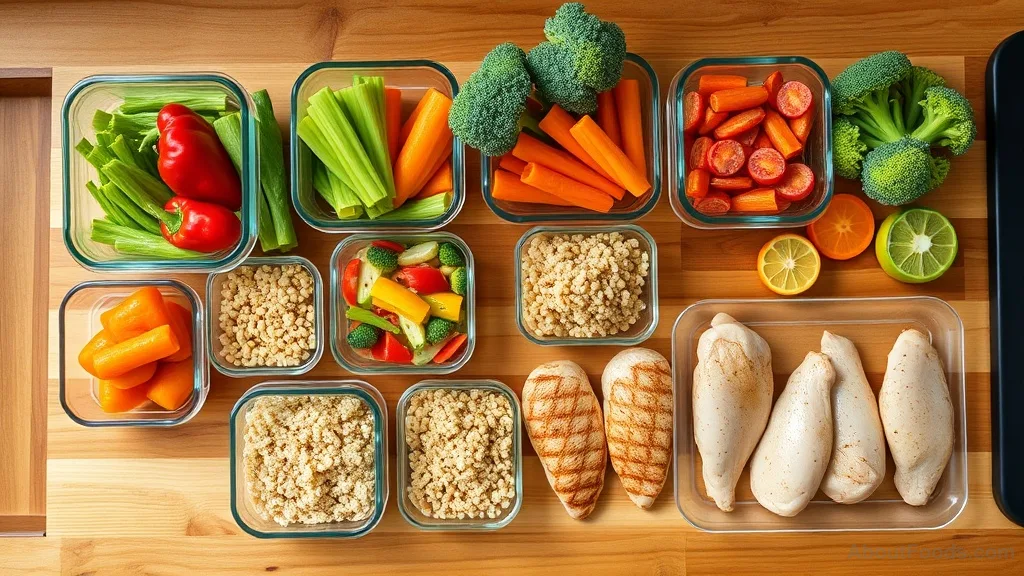

Why Meal Planning Matters
Life gets busy. Between work, school, activities, and everything else, what we eat often becomes an afterthought. Meal planning is a simple but powerful tool to bring intention back to your kitchen. It helps you save time, reduce food waste, and make choices that actually fit your nutrition goals. Whether you're feeding a family of five or just yourself, a little planning goes a long way.
Getting Started: The Core Steps
- Check your calendar. Look at the week ahead and note busy days when you'll need faster meals or leftovers.
- Take inventory. See what's already in your pantry
- fridge
- and freezer. Build meals around what you have.
- Choose a few anchor meals. Pick 3 to 4 dinners that use overlapping ingredients to simplify shopping.
- Make a grocery list. Organize it by category (produce
- protein
- grains
A Sample Weekly Meal Plan
Here's a balanced and realistic plan that works for families and busy adults. Each dinner includes a protein, a whole grain, and plenty of vegetables. Lunches and breakfasts are simple and reusable.
Smart Shortcuts for Busy Cooks
Nutrition Tips for Balanced Planning
A well-planned meal supports steady energy and satisfaction. Aim to include a source of protein, healthy fats, fiber-rich carbs, and colorful vegetables at each meal. For example, a lunch of grilled chicken (protein), quinoa (carb), avocado (fat), and mixed greens (veg) hits all the notes. Use the plate method as a guide: fill half your plate with vegetables, a quarter with protein, and a quarter with grains or starches.
Common Mistakes and How to Avoid Them
- Overplanning: Trying to cook a new recipe every night leads to burnout. Aim for 3 to 4 planned dinners and use leftovers or simple meals for the rest.
- Not checking the pantry: Buying duplicates wastes money and space. Always inventory first.
- Skipping snacks: Plan healthy snacks like cut veggies
- fruit
- or yogurt to avoid vending machine temptations.
- Forgetting variety: Rotate proteins and produce colors to keep meals interesting and nutrient-rich.
Frequently Asked Questions
How do I get my family on board with meal planning?
Involve them! Let everyone pick one meal per week, and choose sides they enjoy. Start small—maybe just planning dinners at first.
Can I meal plan if I have dietary restrictions?
Absolutely. Focus on whole foods that fit your needs. Use swaps like gluten-free grains or plant-based proteins. The planning process stays the same.
How do I avoid food waste?
Plan meals that share ingredients. For example, use spinach in salads, smoothies, and sautéed dishes. Freeze leftovers for busy nights.
What if my schedule changes mid-week?
Keep a few emergency meals like frozen stir-fry veggies or canned soup. Swap dinners around as needed. Flexibility is key.
Rate this article
No ratings yet. Be the first to rate it.

Written by
Aiko Sato
Specialises in Japanese cuisineAiko Sato makes onigiri with pickled plum and a smile. She shapes them like animals.
Describe yourself in three words: Cute, precise, animal-shaped rice.