Meal Planning
Meal Planning: What It Does in Your Body and Why It Matters
Meal planning is more than just saving time—it's a gentle way to nourish your body consistently. This guide explores how planning your meals affects your energy, digestion, and overall well-being, with practical steps to make it part of your routine.
What Meal Planning Really Means for Your Body
In the quiet hum of a morning kitchen, with the scent of coconut oil lingering in the air, meal planning might feel like just another task. But it's a gentle rhythm—a way to care for your body before the day even begins. At its heart, meal planning is about intention: deciding ahead what you'll eat to nourish yourself consistently. Unlike strict diets or rushed meals, it creates space for balance, helping your body receive what it needs without stress. Think of it as a map for your nutrition, guiding you toward steady energy, better digestion, and a sense of calm around food. In Indonesia, where meals are often shared and prepared with care, this approach feels natural—a slow, mindful practice that honors both body and tradition.
How Planning Meals Affects Your Energy and Digestion
When you plan your meals, you're giving your body a predictable flow of nutrients. Imagine your digestive system as a gentle stream—consistent meals keep it flowing smoothly, while erratic eating can cause ripples or stalls. By eating at regular times with balanced portions, you support stable blood sugar levels, which means fewer energy crashes and less craving for quick snacks. Your metabolism also benefits, as your body learns to trust that fuel will arrive steadily. This isn't about perfection; it's about creating a rhythm that lets your body relax into digestion, absorbing vitamins and minerals more effectively. Over time, this can lead to feeling more energized throughout the day and sleeping better at night.
- Steady energy: Balanced meals prevent spikes and drops in blood sugar.
- Improved digestion: Regular eating patterns support gut health.
- Better nutrient absorption: Your body can focus on processing nutrients without stress.
- Reduced decision fatigue: Knowing what to eat saves mental energy.
A Simple Framework to Start Meal Planning
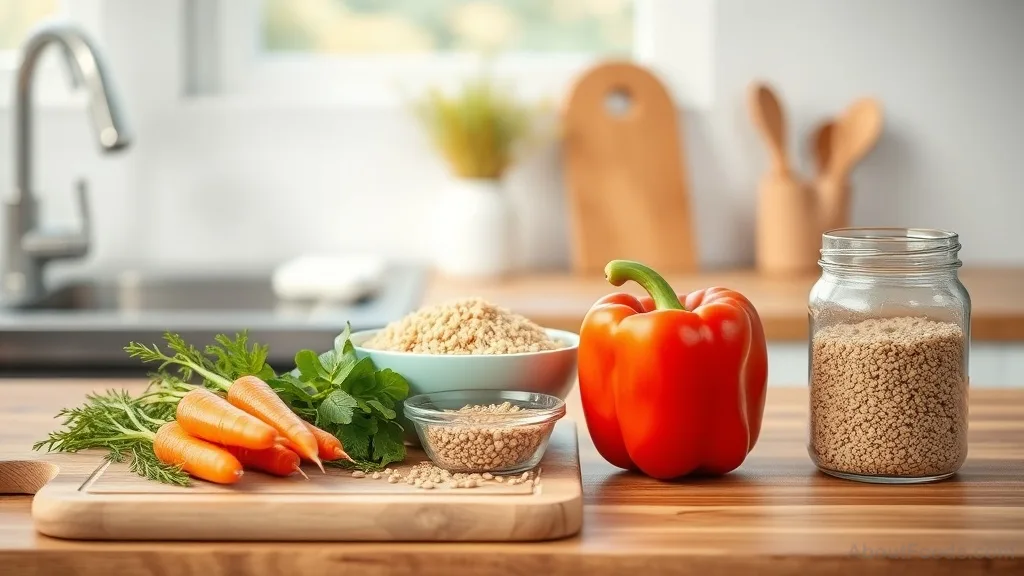
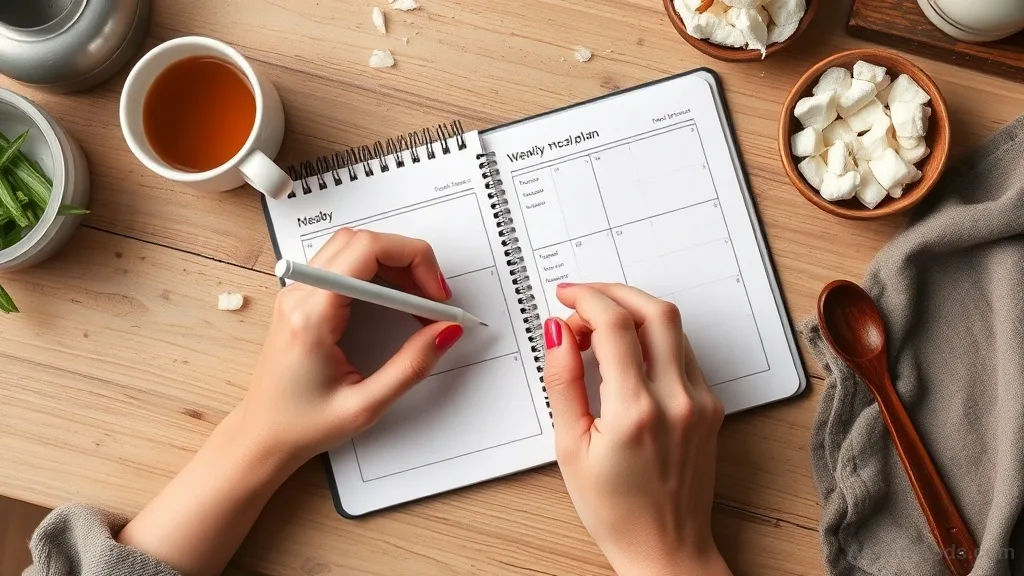
You don't need complex charts or hours in the kitchen. Begin with a quiet moment—perhaps with a cup of tea—and think about your week. Start by choosing one or two meals to plan, like lunches or dinners, and build from there. Aim for balance: include a source of protein (like tempeh, eggs, or lentils), healthy fats (such as avocado or coconut), and fiber-rich carbohydrates (like brown rice or sweet potatoes). Add vegetables for color and nutrients. Keep it flexible; if life changes, your plan can too. The goal is to make eating well easier, not rigid. As you practice, you'll find a pace that suits your life, much like the slow, steady growth of a coconut tree.
Common Mistakes and How to Avoid Them
Many people approach meal planning with high hopes, only to feel overwhelmed. One common mistake is planning too much too soon—trying to cook every meal from scratch can lead to burnout. Instead, start small and allow for simplicity, like repurposing leftovers or having backup options. Another pitfall is ignoring cravings or preferences; if you don't enjoy the food, you're less likely to stick with it. Include foods you love, even if they're not 'perfect.' Also, avoid overcomplicating recipes; quick, one-pan meals can be just as nourishing as elaborate dishes. Remember, meal planning is a tool for ease, not a test of willpower. Be kind to yourself, and adjust as you learn what works for your body and schedule.
Practical Tips for Busy Lives
Life moves quickly, but meal planning can be a calm anchor. Batch cooking staples—like a pot of beans or a tray of roasted vegetables—saves time during the week. Use versatile ingredients that work in multiple dishes; for example, cook extra quinoa to add to salads, soups, or breakfast bowls. Keep a well-stocked pantry with basics like spices, oils, and canned tomatoes, so you're always ready to whip up a simple meal. If you're short on time, focus on 'assembly meals' where you combine prepped components, like a grain bowl with veggies and protein. And don't forget the power of a good grocery list—it reduces impulse buys and ensures you have what you need. These small steps, taken consistently, build a sustainable habit that supports your health without adding stress.
Making Meal Planning a Gentle Habit
Like the steady rhythm of a traditional Indonesian jamu maker preparing herbs each morning, meal planning becomes a nurturing ritual with practice. Start by setting a regular time each week—maybe Sunday afternoon—to glance at your schedule and sketch out a few meals. Involve family or friends if it feels right; sharing the process can make it more enjoyable. Celebrate small wins, like trying a new vegetable or saving time on a busy day. Over time, you'll notice how this practice supports not just your body, but your mind, reducing anxiety around food decisions. It's not about control; it's about care—a way to honor your health with the same calm attention you might give to brewing a cup of tea. Let it evolve naturally, and trust that even imperfect planning is better than none.
Frequently Asked Questions
How far in advance should I plan my meals?
Start with planning for 3-4 days to avoid feeling overwhelmed. As you get comfortable, you can extend to a full week. The key is consistency, not perfection.
Do I need special containers or tools?
No, simple containers you already have will work. Focus on the food and planning process rather than equipment. Glass jars or reusable containers are helpful but not essential.
What if my schedule changes unexpectedly?
Flexibility is part of meal planning. Keep easy options on hand, like frozen vegetables or canned beans, and adjust your plan as needed. It's okay to swap meals or order in occasionally.
Can meal planning help with weight management?
Meal planning supports balanced eating by reducing impulsive food choices, which can contribute to a healthy weight. However, it's best approached as a tool for overall nourishment rather than weight loss alone.
How do I avoid food waste when meal planning?
Plan meals around ingredients you already have, use leftovers creatively, and freeze portions if you won't eat them soon. A well-organized fridge and pantry also help reduce waste.
Rate this article
No ratings yet. Be the first to rate it.

Written by
Ayu Santoso
Specialises in Indonesian cuisineAyu makes rendang that takes 6 hours and is worth every minute. She hums while stirring.
Describe yourself in three words: Calm, humming, smells of coconut.