Fiber And Gut Health
A Practical Guide to Fiber for Better Gut Health: Traditional Wisdom Meets Modern Nutrition
Learn how to incorporate more fiber into your daily meals to support digestive wellness and overall health. This guide breaks down the types of fiber, their benefits, and simple ways to boost your intake with whole foods. Discover traditional ingredients and practical tips for lasting gut health.
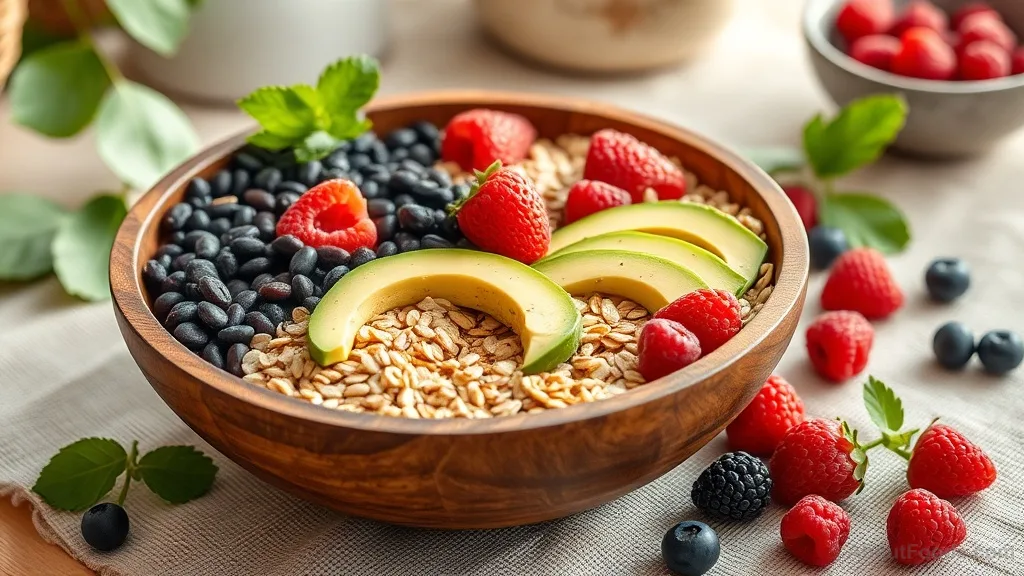
Why Fiber Matters for Your Gut and Overall Health
Growing up in a Mexican household, I learned early that food is more than just fuel—it's medicine for the body and soul. My abuela would always say, 'Un buen intestino es la base de una buena salud'—a good gut is the foundation of good health. Today, science confirms what our traditions have long known: fiber is essential for digestive wellness. But many people still struggle to get enough. This guide will help you understand fiber's role, distinguish between its types, and incorporate it into your daily life in simple, sustainable ways.
Fiber is a type of carbohydrate found in plant foods that our bodies can't fully digest. Instead of being broken down and absorbed, it passes through the digestive system, performing crucial functions along the way. Adequate fiber intake supports regular bowel movements, helps maintain healthy cholesterol and blood sugar levels, and promotes a balanced gut microbiome—the community of beneficial bacteria in your intestines. When these bacteria are well-fed with fiber, they produce compounds that support overall health, from immunity to mood regulation.
Understanding the Two Types of Fiber
Not all fiber is the same. Think of it like two different tools in your kitchen—each with its own purpose. Soluble fiber dissolves in water to form a gel-like substance, while insoluble fiber does not dissolve and adds bulk to stool. Both are important, and most whole foods contain a mix of both types.
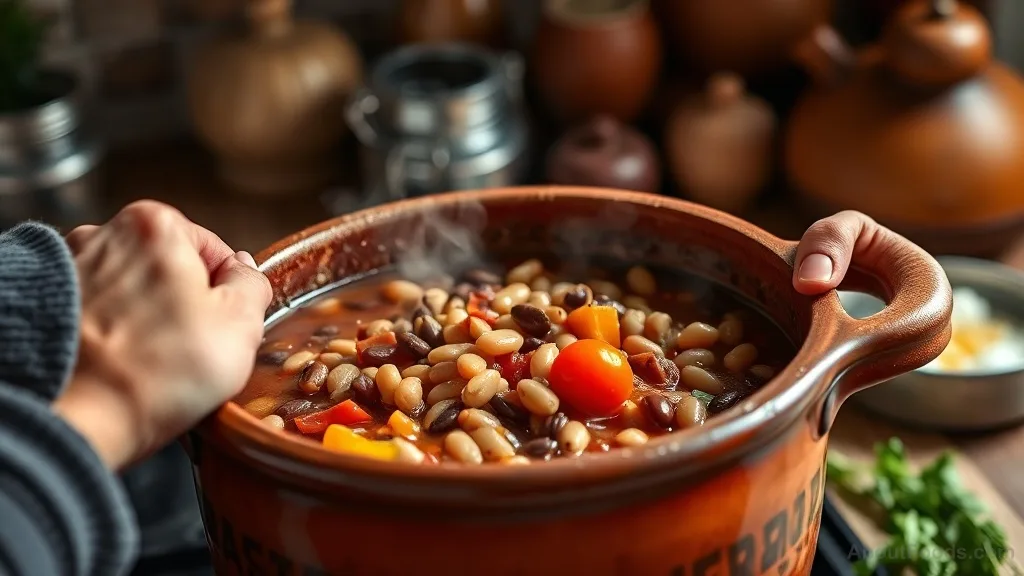
In my family's cooking, we naturally balanced these fibers. A meal might include frijoles (rich in soluble fiber) alongside nopales (prickly pear cactus pads, high in insoluble fiber). You don't need to memorize lists—just aim for variety in your plant foods.
How Much Fiber Do You Really Need?
Health authorities recommend that adults consume between 25 and 38 grams of fiber per day, depending on age and gender. Yet, most people only get about half that amount. Instead of fixating on numbers initially, focus on consistently including fiber-rich foods in your meals. A gradual increase is key to allowing your digestive system to adjust without discomfort.
Remember, these are guidelines, not strict rules. Listen to your body—some people feel best with a bit more, others with slightly less. The goal is to find a sustainable balance that supports your digestion and overall well-being.
Practical Ways to Increase Your Fiber Intake
Boosting fiber doesn't require a complete diet overhaul. Small, thoughtful changes can make a significant difference over time. Start with one or two adjustments, and build from there. Here are some approaches rooted in both tradition and modern nutrition.
If you're new to high-fiber eating, increase your intake gradually over a few weeks to prevent bloating or gas. Also, drink plenty of water—fiber works best when it's well-hydrated.
Common Mistakes and How to Avoid Them
Even with good intentions, it's easy to stumble when adjusting your fiber intake. Being aware of these pitfalls can help you navigate them smoothly.
Fiber-Rich Meal Ideas for Everyday Eating
Incorporating fiber into your meals can be simple and delicious. Here are a few ideas inspired by traditional and modern approaches.
In my kitchen, I often make a big batch of beans or lentils at the beginning of the week. They can be used in tacos, added to soups, or served as a side. This practice, passed down from my mother, makes it easier to include fiber consistently without extra effort.
Frequently Asked Questions About Fiber and Gut Health
Rate this article
No ratings yet. Be the first to rate it.

Written by
Camila Morales
Specialises in Mexican cuisineCamila makes mole that takes three days. She says shortcuts are for the weak. Her abuela approves.
Describe yourself in three words: Patient, serious, deeply traditional.