Meal Planning
The Nutrition Guide to Better Meal Planning: A Portuguese Grandmother's Wisdom
Learn how to plan meals that nourish your body and soul, with practical tips rooted in Portuguese culinary traditions. This guide makes nutrition approachable and sustainable for everyday life.
Why Meal Planning Feels Like Magic (But Isn't)
Ah, querido, let me tell you a secret my avó whispered to me as she stirred the caldo verde: planning your meals is not about rigid schedules or boring lists. It's about weaving a little magic into your week so that nourishment finds you, rather than you chasing it down like a lost chicken. In Portugal, we say 'quem não tem cão caça com gato'—if you don't have a dog, you hunt with a cat. Meaning, if you don't plan, you'll end up eating whatever is at hand, and often, it's not what your body truly needs. But with a touch of foresight, you can turn mealtime into a moment of joy and health, without the stress. Think of it as planting a garden: you prepare the soil, choose your seeds, and then watch things grow beautifully. Or, if you're like my cousin João, you forget to water them and end up with a sad patch of weeds. Let's avoid the weeds, shall we?
The Portuguese Plate: A Blueprint for Balance
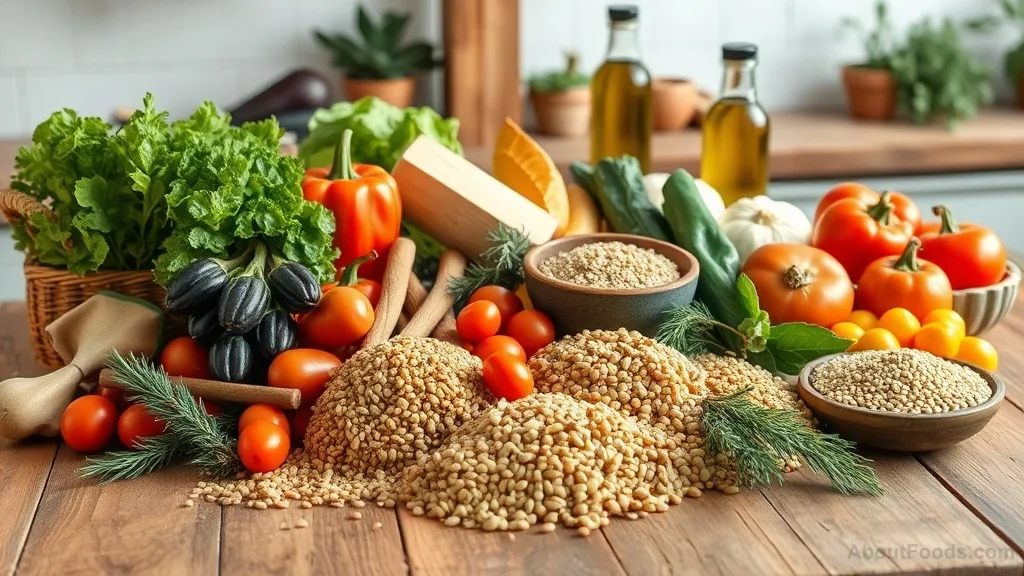
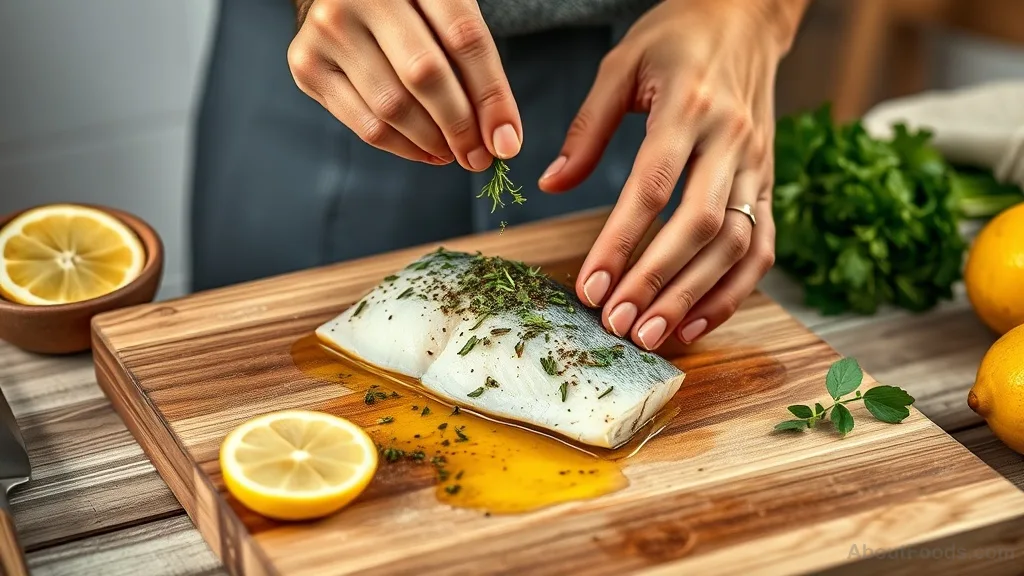
In my kitchen, balance is not a fancy word from a nutrition textbook; it's the way my family has eaten for generations. Picture a typical Portuguese meal: a piece of grilled fish, a heap of seasonal vegetables, a portion of legumes or whole grains, and a drizzle of golden olive oil. It's simple, but it covers all the bases—protein, fiber, vitamins, and healthy fats. When planning your meals, use this as your mental template. Aim to fill half your plate with vegetables (the more colors, the better, like a vibrant azulejo tile), a quarter with lean protein (fish, chicken, beans), and a quarter with whole grains or starchy vegetables. Add a splash of olive oil for good measure—my avó swore it cured everything from dry skin to a sour mood, and who am I to argue? This approach ensures you get a mix of nutrients without overthinking it.
Practical Steps to Plan Your Week Without Losing Your Mind
Now, don't look so overwhelmed! Meal planning is like learning to dance the fado—it takes a little practice, but soon you'll be moving gracefully. Start by setting aside 30 minutes each week, perhaps with a cup of tea (or a glass of vinho, if it's been that kind of day). First, check what you already have in your pantry and fridge. Those lonely carrots at the back? They can star in a soup. Then, think about your schedule: busy nights call for quick meals, while weekends might allow for more leisurely cooking. Write down 5-7 dinner ideas based on your balanced plate template, and let lunches and breakfasts be simpler repeats or leftovers. Make a grocery list from this, sticking mostly to the perimeter of the store where the fresh stuff lives. Oh, and always buy extra onions and garlic—they're the soul of good cooking, or so my avó claimed while waving a clove like a magic wand.
- Take inventory of your kitchen staples
- Plan dinners first
- then fill in other meals
- Create a focused grocery list to avoid impulse buys
- Prep ingredients in advance (e.g.
- chop vegetables
- cook grains)
- Stay flexible—life happens
Common Pitfalls and How to Sidestep Them Like a Pro
Even the best-laid plans can go awry, much like my attempt to bake pão de ló without burning it. Here are some traps to avoid. First, don't overcomplicate things. You don't need a new recipe every night; repetition is your friend. Second, be realistic about time—if you only have 20 minutes, plan a stir-fry, not a slow-cooked cozido. Third, watch portion sizes; it's easy to cook too much and then eat it all 'so it doesn't go to waste,' as my avó would say while serving third helpings. Use smaller plates to keep things in check. Fourth, don't forget snacks! Plan for healthy options like nuts or fruit to avoid the vending machine siren call. And lastly, listen to your body. If you're craving something, maybe there's a nutrient missing—like iron if you want red meat, or hydration if you're dreaming of watermelon. Adjust as needed, but with a gentle hand, not a rigid rule.
Making It Sustainable: Tips for Long-Term Success
Sustainability in meal planning is like tending a olive tree—it requires patience and care, but the rewards are rich. Start small; if planning a whole week feels daunting, begin with three days. Involve your family or housemates in the process; let them pick a meal or help with prep. This not only lightens the load but makes it more fun. Embrace seasonal eating; it's cheaper, fresher, and connects you to the rhythm of nature, much like our Portuguese festivals mark the harvests. Also, don't be afraid to batch cook. On a lazy Sunday, make a big pot of feijoada or a tray of roasted vegetables—they'll save you time later. And remember, perfection is the enemy of good. If you slip up, just dust off your apron and try again. As my avó used to say, 'A vida é como uma sopa: às vezes precisa de mais sal.' Life is like soup: sometimes it needs more salt. Adjust your plan as you go, and soon it'll become a cherished habit, not a chore.
Frequently Asked Questions (With a Dash of Humor)
How do I handle picky eaters in my meal plan?
Ah, the eternal struggle! Try involving them in choosing or preparing one meal a week. Or, serve new foods alongside old favorites—like hiding spinach in a smoothie or adding beans to a familiar stew. Patience, my dear, and maybe a little bribery with dessert.
Is meal planning expensive?
Not if you do it wisely. Plan around sales, buy in bulk for staples like grains and legumes, and use leftovers creatively. In Portugal, we waste nothing—even stale bread becomes açorda. Think frugally, like a savvy market shopper in Lisbon.
Can I still eat out while meal planning?
Of course! Life isn't a monastery. Plan for one or two meals out per week, and choose restaurants with healthy options. It's about balance, not deprivation. Just don't make it a habit to eat pastéis de nata every day—unless you want to share with your avó.
How do I stay motivated to meal plan?
Track the benefits: less stress, saved money, better energy. Or, make it a ritual with music or a favorite podcast. Remember, it's a tool for freedom, not a chain. If you skip a week, no one will send the soup police.
Rate this article
No ratings yet. Be the first to rate it.

Written by
Ines Silva
Specialises in Portuguese cuisineInes learned to cook bacalhau from her avó, who spoke only in proverbs. Ines now speaks only in proverbs too.
Describe yourself in three words: Mystical, grandmotherly wisdom with dry humor.