Meal Planning
Smart Meal Ideas That Support Meal Planning
Discover practical meal ideas that make planning easier and nourish your body. Learn how to build balanced plates, prep efficiently, and adapt recipes to fit your week. This guide helps you create sustainable habits with calm, thoughtful approaches.
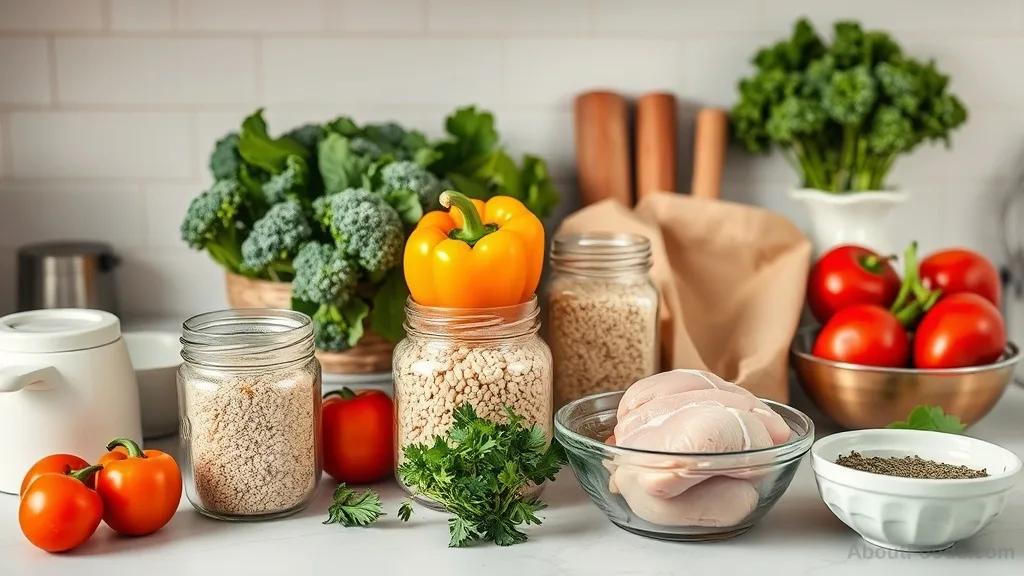
Why Meal Planning Matters for Nourishment
Hello, I'm Ayu. If you've ever felt overwhelmed by what to cook or found yourself reaching for less nutritious options, you're not alone. In my kitchen, where the air often hums with the gentle scent of coconut, I've learned that meal planning isn't about strict rules—it's about creating space for calm and nourishment. When we plan our meals thoughtfully, we support our bodies with balanced nutrition, reduce food waste, and ease daily decision-making. This guide offers smart meal ideas rooted in practicality, helping you build habits that feel sustainable and kind.
Think of meal planning as a gentle rhythm, like the steady beat of a traditional Indonesian drum. It doesn't require perfection; instead, it invites you to align your eating with your needs. By focusing on simple, adaptable ideas, you can create meals that are both satisfying and supportive of your well-being. Let's explore how to make this process feel effortless and grounded.
Building Balanced Plates: The Foundation
A balanced plate is the heart of smart meal planning. It ensures you get a mix of nutrients without overcomplicating things. Aim to include three key components: protein, vegetables, and whole grains or healthy fats. This combination helps keep energy levels stable and supports overall health.
- Protein: Options like grilled chicken
- tofu
- lentils
- or eggs provide essential amino acids for muscle repair and satiety.
- Vegetables: Fill half your plate with colorful veggies—think spinach
- carrots
- or bell peppers—for vitamins
- minerals
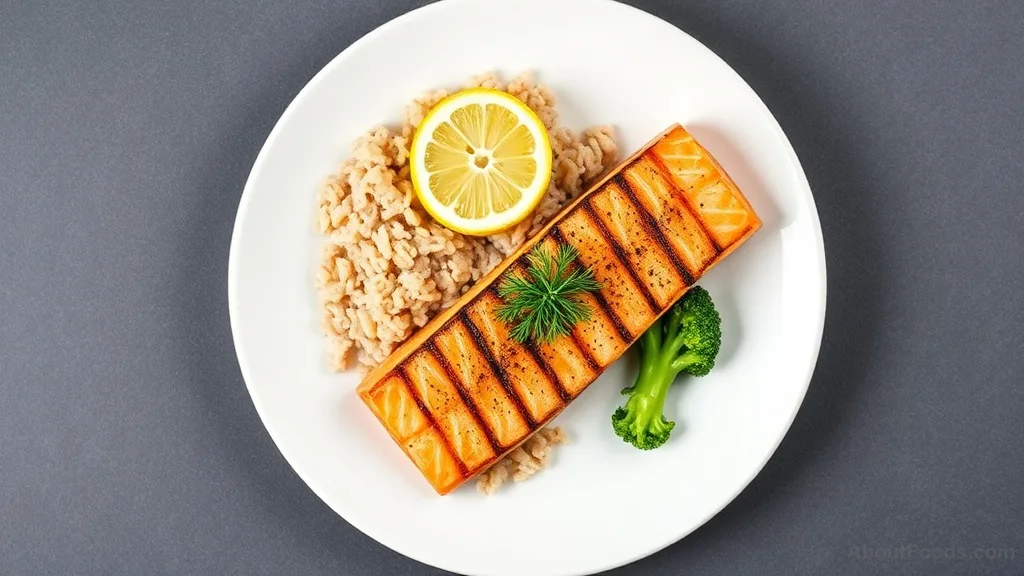
For example, a simple meal could be baked salmon with roasted broccoli and a side of quinoa. Or, for a plant-based twist, try chickpea curry with spinach and brown rice. The goal is variety, not rigidity—rotate ingredients to keep meals interesting and nutrient-dense.
Efficient Meal Prep Strategies
Meal prep doesn't mean spending hours in the kitchen. With a few smart strategies, you can streamline the process. Start by choosing one or two days a week for prep, like Sunday afternoon. Focus on components that can be mixed and matched throughout the week.
Another tip: use versatile ingredients. For instance, a big pot of lentil soup can be lunch one day and a dinner base another. Keep herbs and spices on hand—like turmeric or ginger—to add flavor without extra calories. Remember, the aim is to make cooking feel like a peaceful ritual, not a chore.
Adaptable Recipe Ideas for the Week
Smart meal ideas are flexible, allowing you to adapt based on what's available or your mood. Here are a few concepts that work well for planning:.
Incorporate themes to simplify planning, like 'Meatless Monday' or 'Fish Friday.' This adds structure without limiting creativity. For inspiration, draw from global cuisines—maybe a Indonesian-inspired tempeh dish one day, or a Mediterranean salad the next. The key is to keep it varied and enjoyable.
Common Mistakes and How to Avoid Them
Even with the best intentions, pitfalls can arise. Being aware of these can help you stay on track. One common mistake is over-planning—creating an elaborate menu that's hard to follow. Start simple, with three or four meals a week, and leave room for spontaneity.
- Skipping Snacks: Plan for healthy snacks like nuts or fruit to avoid reaching for processed options.
- Ignoring Leftovers: Repurpose leftovers into new meals
- like turning roasted chicken into a salad or soup.
- Forgetting Seasonality: Use seasonal produce for better flavor and nutrition—it's often more affordable too.
Another tip: listen to your body. If a plan feels too rigid, adjust it. Meal planning should reduce stress, not add to it. In my practice, I've found that a calm, humming approach—much like the steady pace of traditional cooking—leads to more sustainable habits.
FAQ: Your Meal Planning Questions Answered
How far in advance should I plan meals?
Aim for a weekly plan. This balances foresight with flexibility, allowing you to shop efficiently without overcommitting.
Can meal planning help with weight management?
Yes, by promoting balanced meals and reducing impulsive eating, but focus on nourishment rather than restriction for long-term success.
What if I don't have time to cook every day?
Use batch cooking and freezer-friendly meals. Prep components in advance so assembly is quick on busy days.
How do I keep meals interesting?
Rotate proteins, try new spices, and incorporate different cuisines. Variety prevents boredom and ensures a range of nutrients.
Remember, meal planning is a tool, not a test. Start small, be kind to yourself, and let these ideas support your journey toward healthier eating. In the quiet of your kitchen, may you find a rhythm that nourishes both body and spirit.
Rate this article
No ratings yet. Be the first to rate it.

Written by
Ayu Santoso
Specialises in Indonesian cuisineAyu makes rendang that takes 6 hours and is worth every minute. She hums while stirring.
Describe yourself in three words: Calm, humming, smells of coconut.