Minerals
Smart Meal Ideas That Support Minerals: Nourish Your Body with Every Bite
Discover practical ways to incorporate essential minerals into your daily meals. Learn how simple ingredient choices and cooking methods can boost your mineral intake naturally. These ideas will help you create balanced, flavorful dishes that support overall wellness.
Why Minerals Matter in Every Meal
Growing up in a Vietnamese kitchen, I learned early that food is more than just flavor—it's nourishment. My grandmother would gently remind me that each ingredient carries its own story of health. Minerals, those tiny yet mighty nutrients, work quietly in our bodies, supporting everything from strong bones to steady energy. Unlike vitamins, our bodies can't make minerals; we must get them from what we eat. And the best way? Through thoughtful, everyday meals that feel both comforting and intentional.
Think of minerals as the unsung heroes of nutrition. Calcium strengthens bones, iron carries oxygen in our blood, magnesium helps muscles relax, and zinc supports our immune system. They don't shout for attention, but without them, our bodies simply wouldn't function smoothly. The good news is that supporting your mineral intake doesn't require complicated supplements or drastic diet changes. It's about making smart, simple choices in your kitchen—choices that weave these nutrients seamlessly into your daily routine.
Building Blocks: Mineral-Rich Ingredients to Keep on Hand
A well-stocked pantry and fridge make mineral-rich cooking effortless. Start with a foundation of whole, unprocessed foods. Leafy greens like spinach and kale are packed with iron, calcium, and magnesium. Nuts and seeds—think almonds, pumpkin seeds, and sesame seeds—offer magnesium, zinc, and selenium. Legumes such as lentils and chickpeas provide iron and potassium. Whole grains like quinoa and brown rice add magnesium and phosphorus. Don't forget seafood like salmon for selenium and iodine, and dairy or fortified alternatives for calcium.
- Leafy greens: Spinach
- kale
- Swiss chard
- Nuts and seeds: Almonds
- pumpkin seeds
- sesame seeds
- Legumes: Lentils
- chickpeas
Keep these ingredients visible in your kitchen. Store nuts and seeds in clear jars, keep greens washed and ready in the fridge, and batch-cook grains and legumes for easy use. This simple setup turns mineral-boosting from a chore into a natural part of your cooking rhythm.
Simple Meal Ideas to Boost Your Mineral Intake
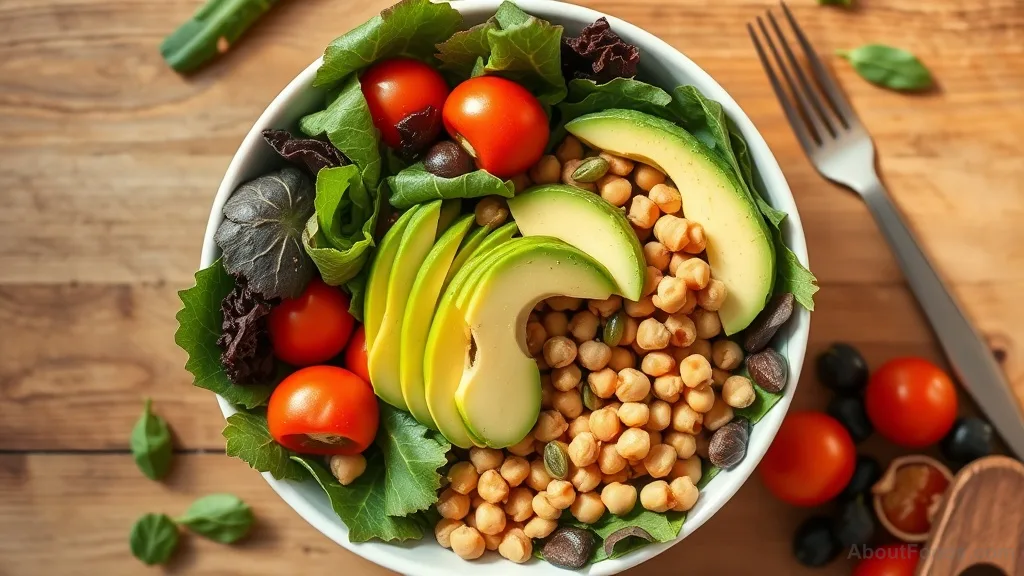
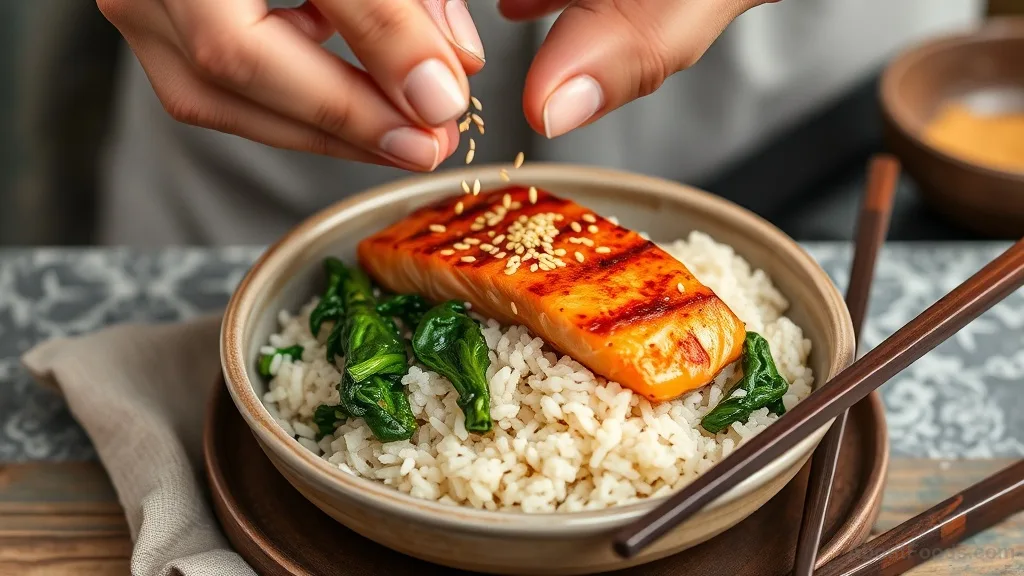
Let's translate those ingredients into real meals. Breakfast could be oatmeal topped with almonds and a sprinkle of chia seeds—rich in magnesium and calcium. Lunch might feature a big salad with spinach, chickpeas, avocado, and pumpkin seeds, dressed with lemon juice and olive oil to help absorb iron. For dinner, try grilled salmon with quinoa and steamed broccoli, a combination that delivers selenium, magnesium, and calcium.
Snacks matter too. A handful of nuts, yogurt with fruit, or veggie sticks with hummus can add minerals between meals. The key is variety—rotating different ingredients ensures you get a broad spectrum of nutrients without overthinking it.
Cooking Tips to Preserve and Enhance Minerals
How you cook affects mineral content. Steaming or sautéing vegetables lightly helps retain more minerals than boiling, which can leach nutrients into water. Pair iron-rich plant foods with vitamin C sources—like adding bell peppers to lentil soup or squeezing lemon over spinach—to improve absorption. Soaking beans and grains before cooking can reduce compounds that block mineral uptake, making them more bioavailable.
Avoid common mistakes like overcooking vegetables or relying too heavily on processed foods, which often lack mineral density. Instead, focus on whole foods prepared simply. Remember, small adjustments in the kitchen can make a big difference in how many minerals your body actually receives.
FAQs About Minerals in Your Diet
Can I get enough minerals from food alone?
For most people, a varied diet rich in whole foods provides adequate minerals. Focus on including diverse ingredients like leafy greens, nuts, seeds, legumes, and whole grains regularly.
Are plant-based minerals as effective as those from animal sources?
Yes, though absorption can vary. Pair plant-based iron sources with vitamin C (like citrus or tomatoes) to enhance uptake. Variety ensures you cover different mineral forms.
How do I know if I'm lacking minerals?
Common signs include fatigue, muscle cramps, or brittle nails, but these can have many causes. For personalized advice, consult a healthcare professional or registered dietitian.
What's the easiest way to add more minerals daily?
Start with one simple swap: add a handful of seeds to your meals, choose whole grains over refined ones, or include a serving of leafy greens each day.
Rate this article
No ratings yet. Be the first to rate it.

Written by
Linh Tran
Specialises in Vietnamese cuisineLinh Tran makes ca kho (caramelized fish) in a clay pot that has been in her family for 60 years.
Describe yourself in three words: Nostalgic, gentle, caramel smell.