Sports Nutrition
Sports Nutrition Made Simple: Fuel Your Body Like a Pro
Forget the hype. Sports nutrition is about eating real food to support your activity, recovery, and health. This guide breaks down the basics: timing, macros, hydration, and smart snacks—no fancy supplements required.
Why Sports Nutrition Matters
Let’s clear the air: sports nutrition isn’t just for athletes running marathons or lifting heavy in the gym. If you move your body—whether a morning jog, a Saturday soccer game, or a lunchtime yoga flow—what you eat before and after makes a difference. And no, you don’t need chalky shakes or neon powders. Real food works. With a little attention, you can fuel smarter, recover faster, and feel stronger without overcomplicating your kitchen.
The Core Concept: Macronutrients in Motion
Your body needs three main macronutrients—carbs, protein, and fat—each playing a role. Carbohydrates are your primary fuel source. Think of them as the gasoline in your tank. Protein is the crew that repairs your engine after activity. Fat is the reserve fuel for longer, slower efforts. Here’s a cheat sheet for how they work together.
| Macronutrient | Primary Role in Activity | Best Sources |
|---|---|---|
| Carbohydrates | Quick energy for high-intensity efforts | Rice, oats, bananas, potatoes, whole grains |
| Protein | Repair and rebuild muscle tissue | Chicken, eggs, beans, Greek yogurt, tofu |
| Fat | Slow-burn energy for endurance | Avocado, nuts, olive oil, seeds |
If you want to keep it simple: eat a meal with carbs and protein within two hours after exercise. That’s the golden window.
Before You Move: Pre-Workout Fuel
Eating before exercise gives you energy and prevents your body from breaking down muscle for fuel. Aim for a meal or snack that’s mostly carbs with a little protein and low in fat and fiber (which digest slowly and might upset your stomach).
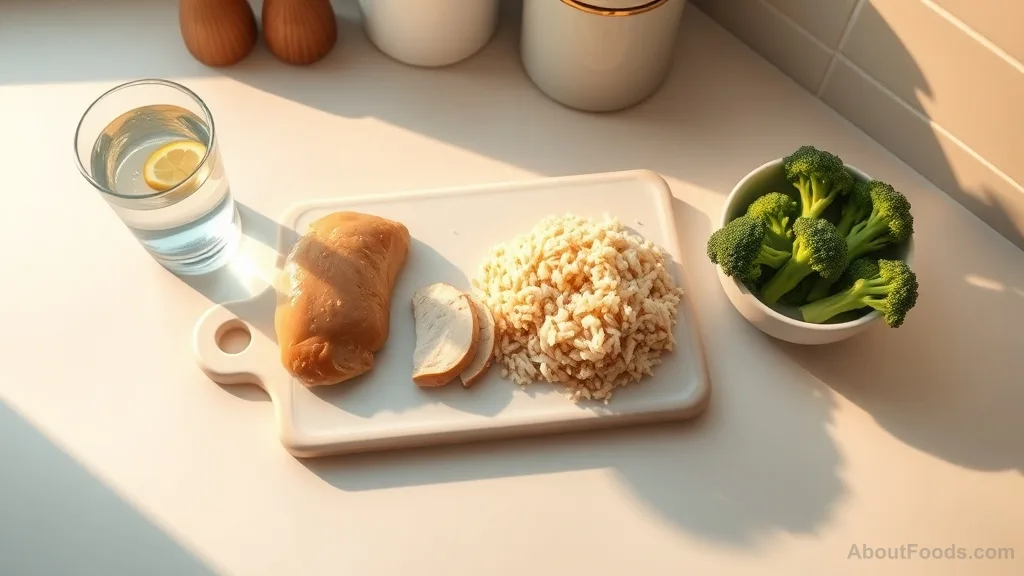
- If you have 2–4 hours before: a balanced meal like chicken with rice and veggies.
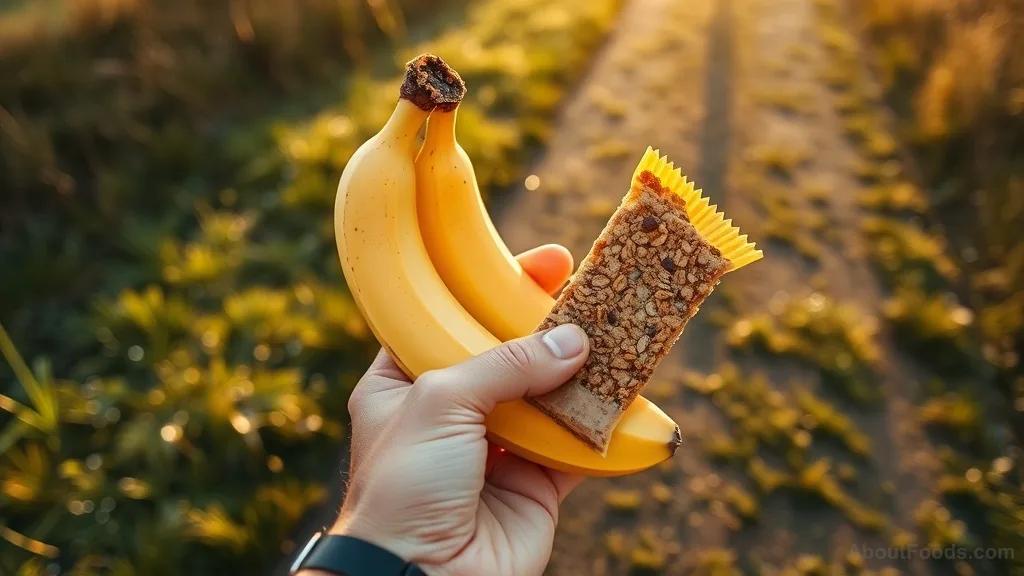
- If you have 30–60 minutes before: a banana
- a slice of toast with jam
- or a small smoothie.
- Avoid heavy spices
- huge portions
- and unfamiliar new foods right before a workout.
Think of it this way: you wouldn’t drive on empty. Don’t train on empty either.
During Long Workouts: Stay Topped Up
For most exercise under an hour, water alone is enough. But if you’re running, cycling, or playing sports for more than 60–90 minutes, your muscles start burning through their glycogen stores, and hydration becomes trickier. That’s when you need mid-workout fuel: sports drinks, gels, or even eating something light like dates with a pinch of salt and water.
- Hydrate early and often. Don’t wait until you’re thirsty.
- For activities over an hour: consume about 30–60 g of carbs per hour (e.g.
- a sports drink
- banana
- or half a bagel).
- Electrolytes: especially sodium if you’re sweating a lot. Look for drinks with 200–400 mg sodium per 24 oz.
After You Sweat: Recovery Nutrition
Post-workout is when your body is primed to soak up nutrients. Within two hours—sooner if you train fasted or finish a tough session—eat a meal that combines carbohydrates and protein. Carbs replenish your glycogen tanks; protein starts healing your muscles.
- Example meals: three-egg omelet with veggies and a sweet potato
- chicken stir-fry with rice and peppers
- tuna sandwich on whole-grain bread with an apple.
- If a full meal can’t wait: a glass of chocolate milk (yes
- it’s actually great) or Greek yogurt with berries.
- Don’t skip the carbs out of fear they’re “bad.” Your muscles want them.
Hydration: Simple Math
You know you need water, but the how-much-can be cloudy. The general rule for moderate activity: drink ½ to 1 cup (4–8 oz) of water every 15–20 minutes during exercise. After, for every pound of sweat lost (weigh yourself before and after), drink 2–3 cups of fluid.
- If your urine is light yellow
- you’re good. Dark yellow or orange? Drink up.
- Coconut water
- diluted juice
- and electrolyte tablets are options—but water plus a salty snack works just as well.
- Avoid excessive alcohol after training: it dehydrates and slows recovery.
In hot weather, don’t wait for thirst—it’s already a late signal.
Practical Mistakes to Avoid
- Skipping post-workout meals because you think you’ll “burn extra calories.” You’ll just risk injury and fatigue.
- Over-relying on energy bars with a long ingredient list. A handful of pretzels and apple slices can be just as effective.
- Cramming in protein without enough carbs—your body wants both.
- Drinking too much plain water without sodium
- especially during long summer workouts (risk of hyponatremia).
FAQ: Quick Answers for Real Life
The Bottom Line
Sports nutrition doesn't demand special products or rigid rules. Pay attention to what feels and powers you before, during, and after movement. Fill your plate with wholesome fuels, hydrate steadily, and trust your appetite and performance. Over time, you’ll develop a rhythm that turns eating into an integral part of your training. Keep it simple—and keep it delicious.
Rate this article
No ratings yet. Be the first to rate it.

Written by
Diego Garcia
Specialises in Mexican cuisineDiego is a taquero who uses a secret salsa roja that involves dried chiles he grows himself. He is a local legend.
Describe yourself in three words: Mysterious, proud, spicy.