Sports Nutrition
Sports Nutrition for Real Life: Fueling Families, Busy Adults, and Home Cooks Without the Hype
Sports nutrition isn't just for athletes—it's practical wisdom for anyone moving through life. Learn how to apply simple, time-tested principles to feed your family, power through busy days, and cook meals that actually work for your body. This guide cuts through the noise with straightforward strategies you can use today.
Forget the Lab Coats—This Is Kitchen Wisdom
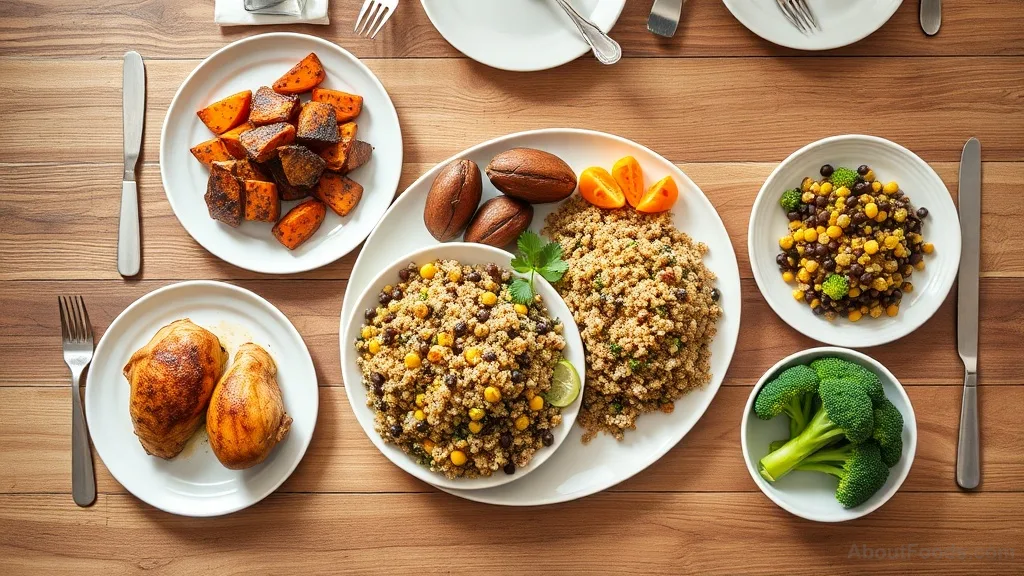
Let me tell you something straight: sports nutrition has been hijacked by people who think food comes in powders and bars. But in Peru, where my ancestors worked mountainsides from dawn till dusk, we understood fueling the body with real food. It wasn't about 'macros'—it was about potatoes that sustained, quinoa that rebuilt, and beans that kept you going. Today, that same wisdom applies to your family dinner, your rushed lunch between meetings, or your effort to just feel good after a long day. This isn't rocket science; it's about eating with purpose.
The Core Principles: What Actually Matters
Strip away the marketing, and sports nutrition boils down to three simple ideas: fuel your movement, repair your body, and stay hydrated. For families, busy adults, and home cooks, this means focusing on meals that provide lasting energy, support recovery from daily activities (yes, chasing kids counts), and keep you hydrated without relying on sugary drinks. Think of it as eating to power your life, not just to fill your stomach.
- Fuel (Carbohydrates): Not just bread and pasta—think sweet potatoes
- oats
- beans
- and fruits. These give steady energy for school runs
- work projects
- or weekend hikes.
- Repair (Protein): Essential for rebuilding muscle after activity
- but also for keeping you full and satisfied. Eggs
Practical Strategies for Real Kitchens
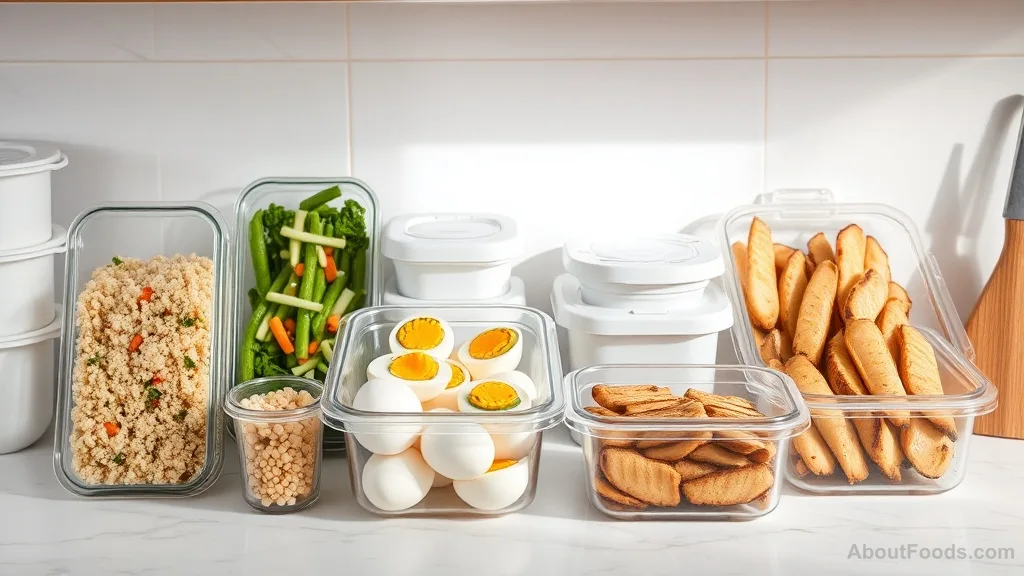
Now, let's get spicy. How do you apply this without spending hours cooking? Start with batch cooking. On Sunday, roast a tray of sweet potatoes, cook a pot of quinoa or brown rice, and grill some chicken or tofu. Store them plain—season later to keep options flexible. For families, build plates with a protein, a complex carb, and vegetables. For busy adults, pack containers with these components for grab-and-go lunches. And for home cooks, use these basics to whip up quick stir-fries, grain bowls, or salads.
Timing and Snacks: The Secret Sauce
You don't need to eat like a clockwork robot, but timing can help. Aim to eat something within an hour after physical activity—playing soccer with your kids, a brisk walk, or a workout. This helps with recovery. A simple snack like yogurt with fruit or a small smoothie works wonders. For busy adults, don't skip meals; carry snacks like nuts, fruit, or a homemade energy bar to avoid the vending machine trap. And for families, keep healthy snacks visible—cut vegetables in the fridge, fruit on the counter—so they're the easy choice.
| Situation | Snack Suggestion | Why It Works |
|---|---|---|
| Post-activity recovery | Greek yogurt with berries | Protein repairs muscle, carbs replenish energy |
| Mid-afternoon slump at work | Apple with almond butter | Fiber and healthy fats provide steady energy |
| Kids after school | Whole-grain crackers with hummus | Balanced, quick, and kid-friendly |
| Pre-dinner hunger | Handful of trail mix (nuts, seeds, dried fruit) | Curbs appetite without spoiling dinner |
Common Mistakes and How to Avoid Them
Listen, I've seen people overcomplicate this until they give up. Don't be that person. First mistake: thinking you need special products. You don't. Real food is cheaper and often better. Second: skipping meals to 'save calories.' This backfires, leaving you tired and prone to overeating later. Third: forgetting hydration. Thirst masks as hunger—drink water first. And fourth: ignoring variety. Rotate your proteins and carbs to get a range of nutrients and keep meals interesting.
- Skip the expensive supplements
- focus on whole foods.
- Eat regularly—aim for three meals and one or two snacks if needed.
- Keep a water bottle handy and sip throughout the day.
- Experiment with different grains
- proteins
- and veggies to prevent boredom.
FAQ: Your Questions, Answered Straight
Do I need to count calories or macros?
No. For most people, focusing on balanced plates—protein, carbs, veggies—is enough. If you're training intensely, you might benefit from tracking, but start with the basics first.
What if my family is picky?
Involve them in choosing vegetables or preparing meals. Offer familiar foods alongside new ones—like adding roasted sweet potato wedges to taco night. Patience and repetition help.
How can I eat well with no time to cook?
Batch cook on weekends, use shortcuts like pre-cut veggies or canned beans, and keep simple meals like scrambled eggs with spinach in your rotation. Even 15 minutes can make a balanced meal.
Is sports nutrition only for young people?
Absolutely not. These principles support energy and recovery at any age. Adjust portions based on activity level, but the fundamentals remain the same.
What's the biggest takeaway?
Keep it simple: eat real food, stay hydrated, and listen to your body. You don't need a degree in nutrition to feed yourself and your family well.
Rate this article
No ratings yet. Be the first to rate it.

Written by
Mateo Quispe
Specialises in Peruvian cuisineMateo makes ceviche with leche de tigre that will wake your ancestors. He uses rocoto peppers for heat.
Describe yourself in three words: Acidic, spicy, ancestor-waking.